
Last updated November 15, 2026
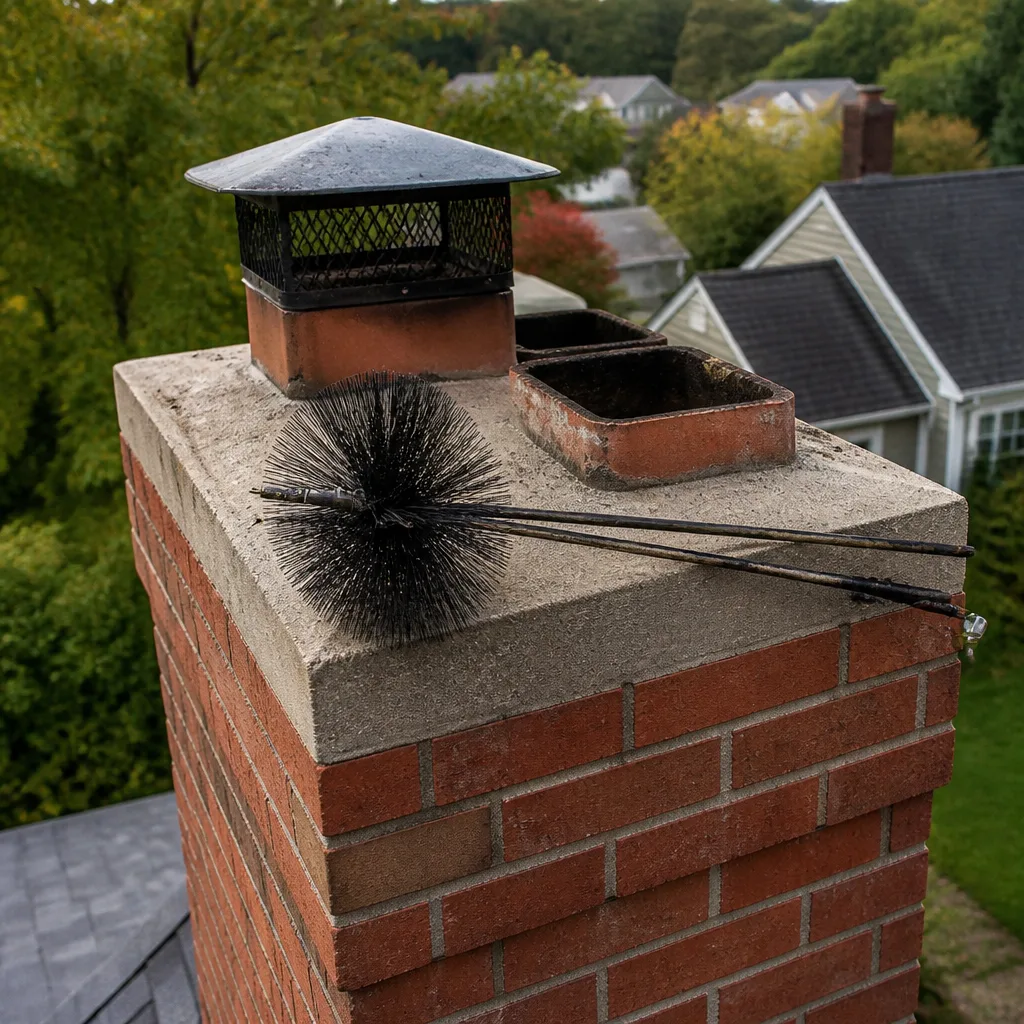 Sweep & inspection
 Caps & crowns
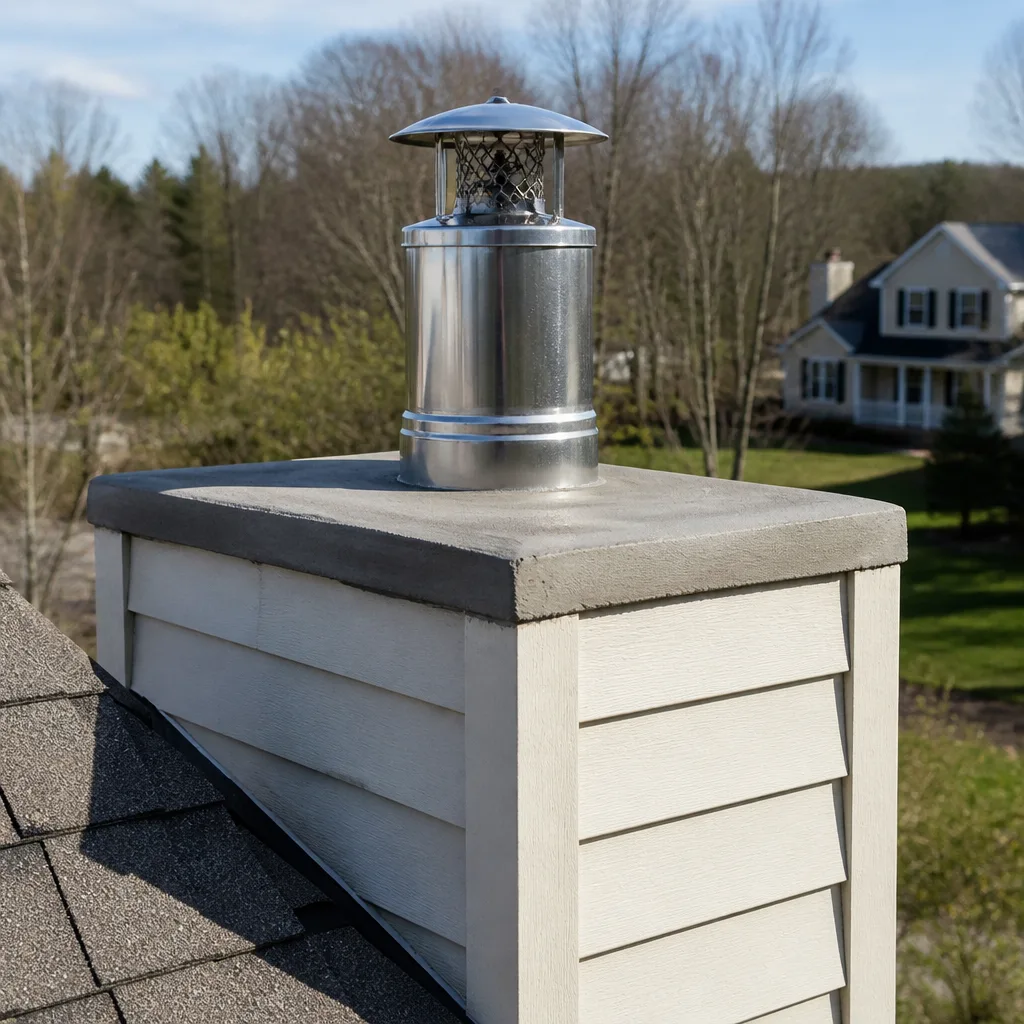 Flue relining
 Masonry repair
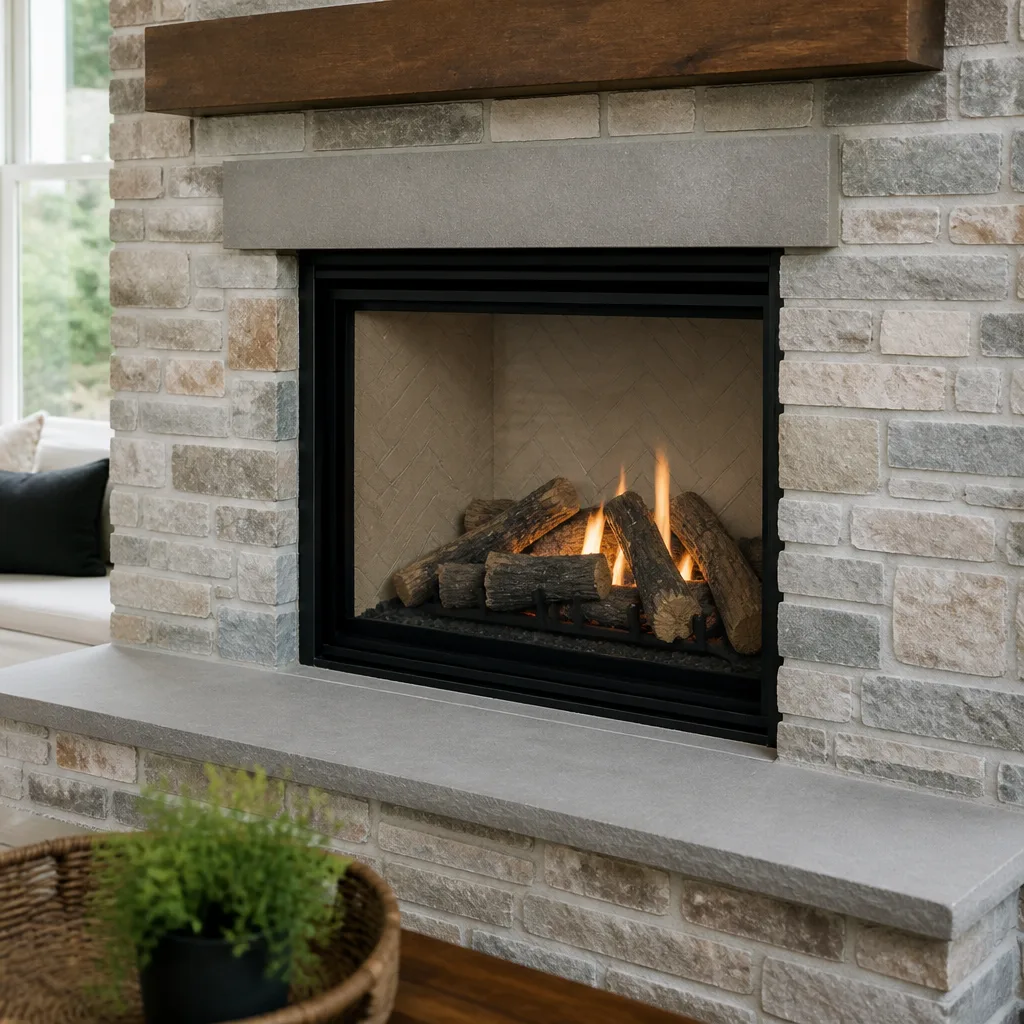 Gas fireplace service
Level 1 sweep and inspection to the NFPA 211 annual standard - flue, crown, cap, and flashing checked and photographed
Chimney sweep logs do not sweep chimneys. They loosen some creosote - which then falls where a brush and vacuum still have to collect it.
Seasonal Chimney Cleaning Care for League City: Year-Round Homeowner’s Guide
Most League City homeowners think about their chimney in November, when the first cool front rolls through and someone suggests a fire. By then, the flue has been sitting untouched through eight months of Texas heat and humidity, and whatever happened inside it during that stretch is already done. The fires we build are not the main source of chimney damage here. The long off-season is. This guide restructures the calendar around how chimneys in League City actually age: a short burning window, a long humid stretch, and a storm season in the middle that nobody plans for. You’ll learn what each part of the year asks of your chimney, your dryer vent, and you.
Quick Answer
Chimney care in League City follows a two-season rhythm, not four. The short burning window (roughly October through February) is when you want a clean flue and a startup inspection done before the first fire. The long humid off-season (March through September) is when moisture, mold, wasps and storm-driven water do the damage that shows up later as cracked liners and rusty dampers. A proper annual cycle is one sweep before burning season, one inspection after storm season, and dryer vent attention in between.
Styles & brands we work with
- Sweep & inspection
- Caps & crowns
- Flue relining
- Masonry repair
- Gas fireplace service
Table of Contents
- Why League City’s Chimney Year Has Two Seasons, Not Four
- Why Summer Is the Most Damaging Season for an Unprotected Flue
- What a Pre-Season Startup Inspection Actually Covers
- Storms and Heavy Rain: The Post-Storm Inspection Most Homeowners Skip
- Dryer Vent Care Through a Humid League City Summer
- Month-by-Month Action Items for League City Homeowners
- Why Materials Matter More Than the Sweep Itself
- Warning Signs You Shouldn’t Wait Until Fall to Address
Why League City’s Chimney Year Has Two Seasons, Not Four
Chimney advice written for cold climates assumes a long burn season and a short idle one. League City runs the opposite. Heating fires here are a short burst of activity, often a few dozen evenings spread across late fall and winter, and the rest of the year the system is dormant. That inversion changes what actually wears a chimney out.
In cold regions, the cumulative stress comes from thermal cycling and creosote load. In League City, most of the story is about what happens when the chimney is idle. Warm, moist air sits in the flue. Clay tile liners absorb some of it and dry slowly. Metal components, dampers and hinges, accumulate condensation. Any small leak at the crown or the flashing lets water in that has nowhere to go because there’s no fire to drive it back out.
The practical consequence is simple. The inspection that matters most in League City happens in late summer or early fall, not in the depths of winter. That’s when the accumulated off-season damage is visible and fixable before the burning window opens.
- Burning window: October through February. Priority is a clean flue, an intact liner, and a damper that seals.
- Humid off-season: March through September. Priority is moisture management, pest exclusion, and structural inspection.
- Storm window: overlaps the off-season. Priority is a prompt check of the cap, crown, and flashing after significant rain.
If you’ve been scheduling your sweep by northern habits, the fix is to shift it earlier. A pre-season sweep and inspection in early fall does more for you than a mid-winter one, because it happens before the damage has a full burning season to compound. For homeowners in League City who want to see how a sweep fits into this rhythm, our chimney sweep page explains the process step by step, including what gets photographed and reported.
Why Summer Is the Most Damaging Season for an Unprotected Flue
Ask a chimney professional what actually shortens the life of a flue in southeast Texas and the answer is not fire. It’s moisture that has weeks to sit undisturbed. League City summers are warm, humid and long, and a chimney without a properly fitting cap and a sound crown is essentially a masonry straw drawing damp air into the structure every day of the off-season.
The damage doesn’t announce itself. It shows up in a few predictable forms:
- Mold and mildew in the flue: organic material deposited during the burn season (soot, ash, creosote residue) plus persistent humidity is a growth medium. A flue that smells earthy or musty in August is telling you something.
- Wasps and other insects: an uncapped or loosely capped flue is an ideal nesting site. Paper wasps and mud daubers routinely build inside chimney caps and on the smoke shelf through the summer, and the first fire of the year can be a bad experience if the nest wasn’t cleared.
- Cracked clay tiles: clay liners absorb moisture, then expand and contract as afternoon temperatures cycle. Small hairline cracks grow over successive summers.
- Rusted dampers and hardware: condensation on metal components causes them to seize, which means you can’t fully close the damper when the chimney is idle, which lets more conditioned air (and more damp air) into the house.
- Deteriorating mortar joints at the crown: the crown is the concrete cap at the top of the masonry. Once it cracks, water works into the masonry below and into the flue itself.
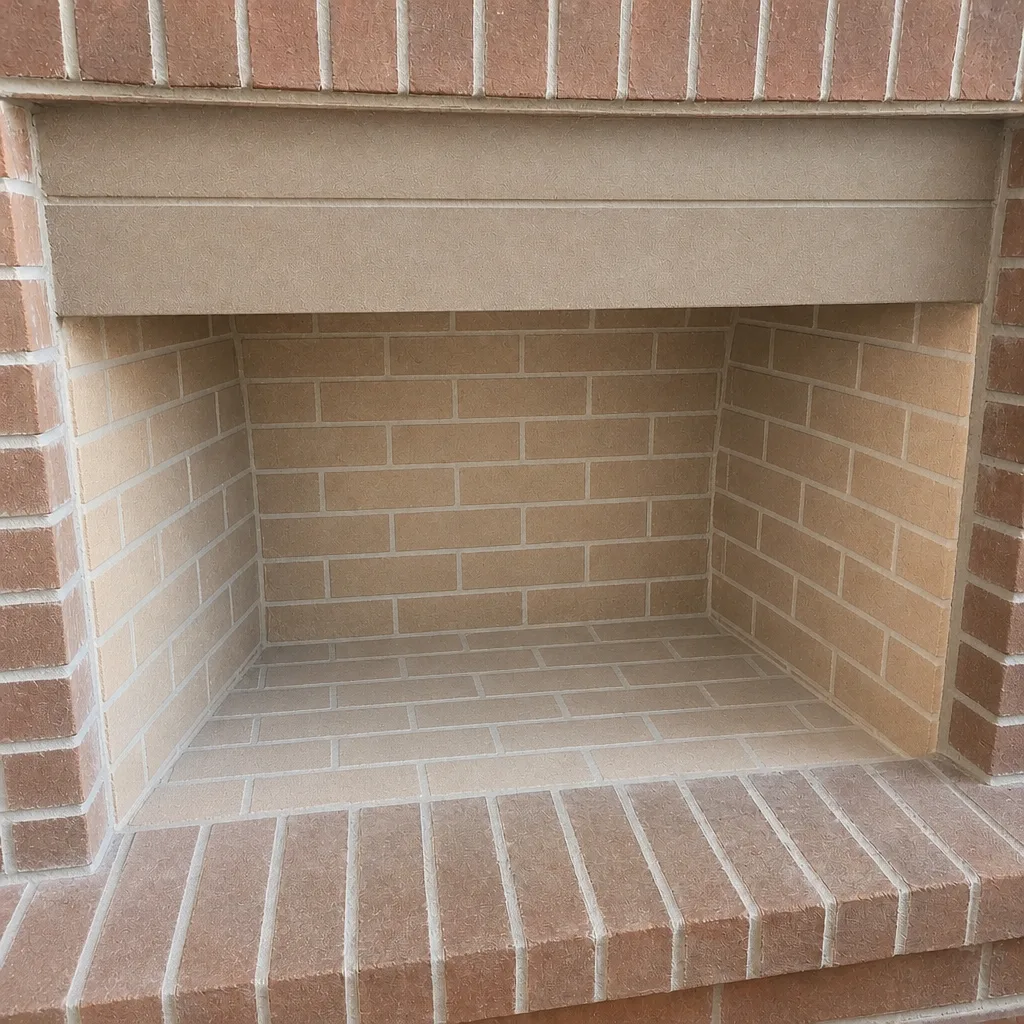
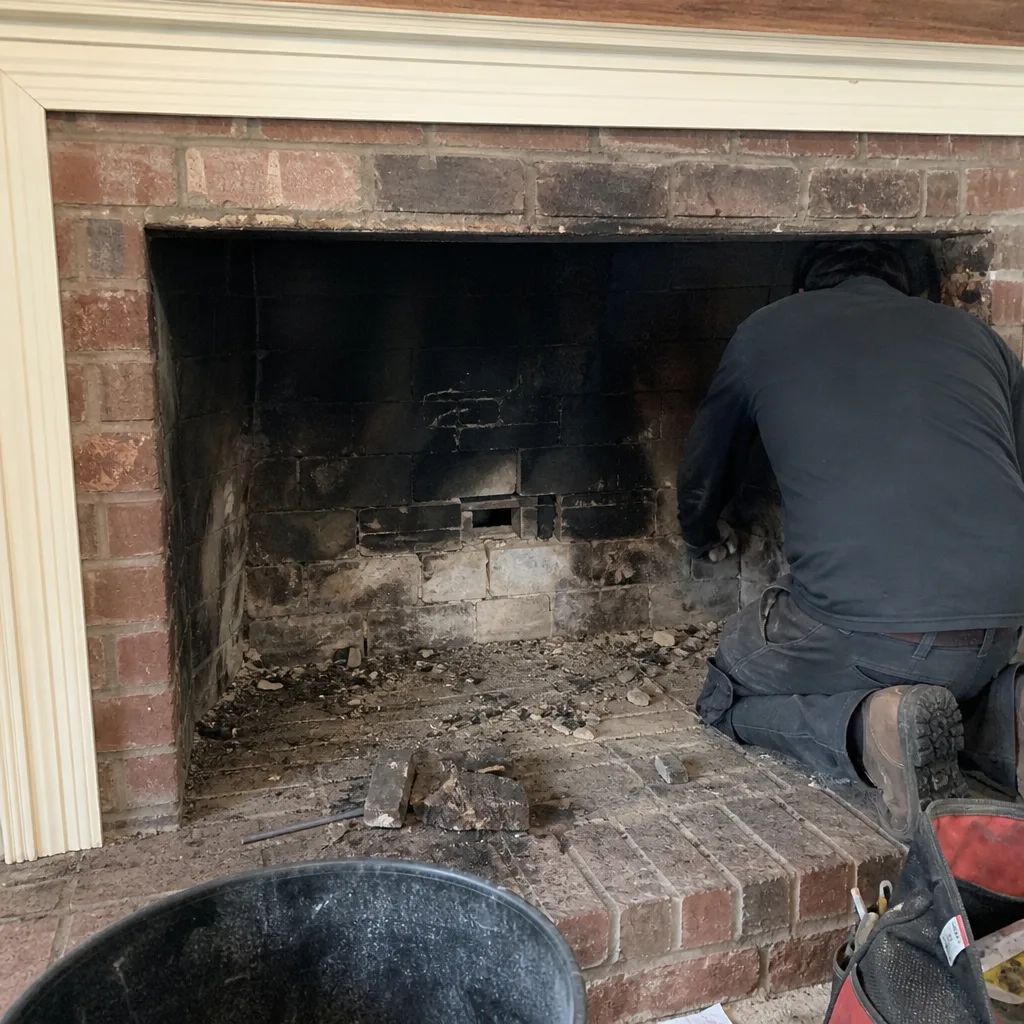
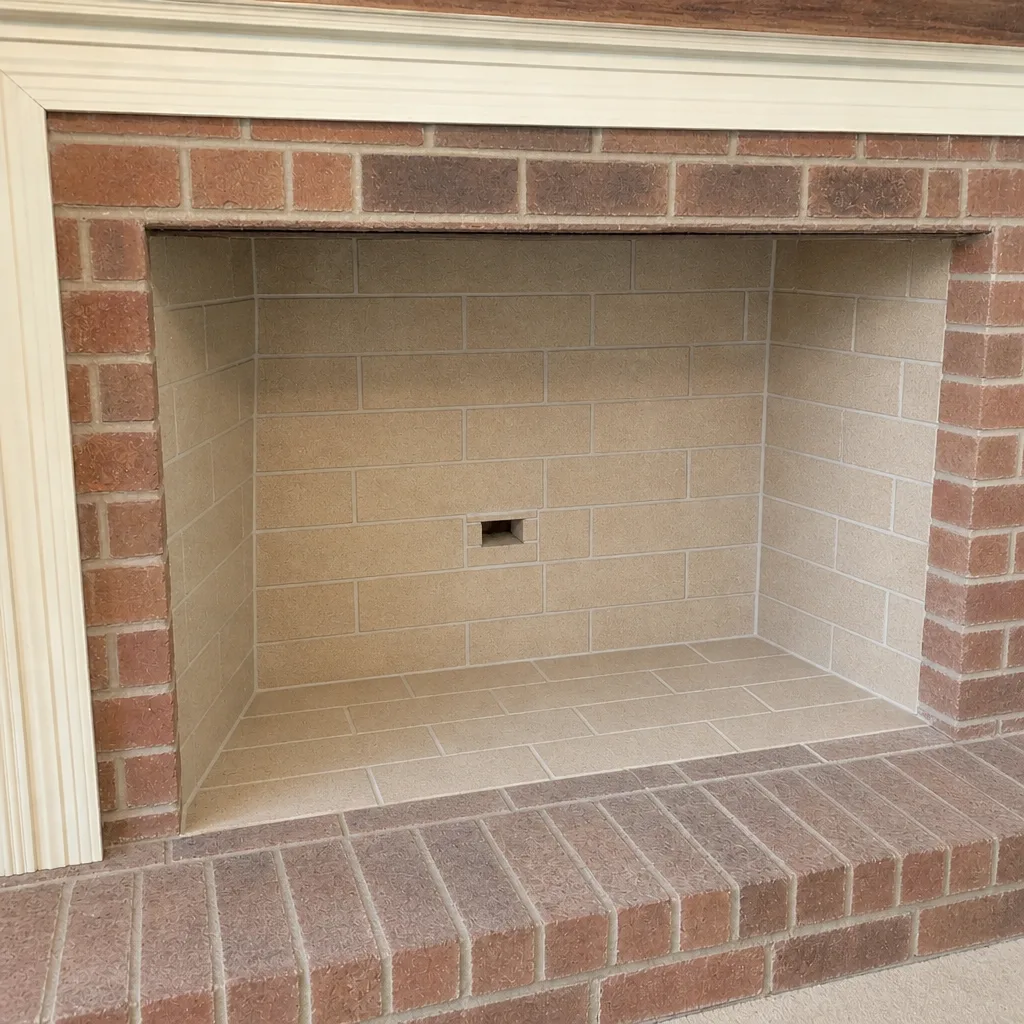
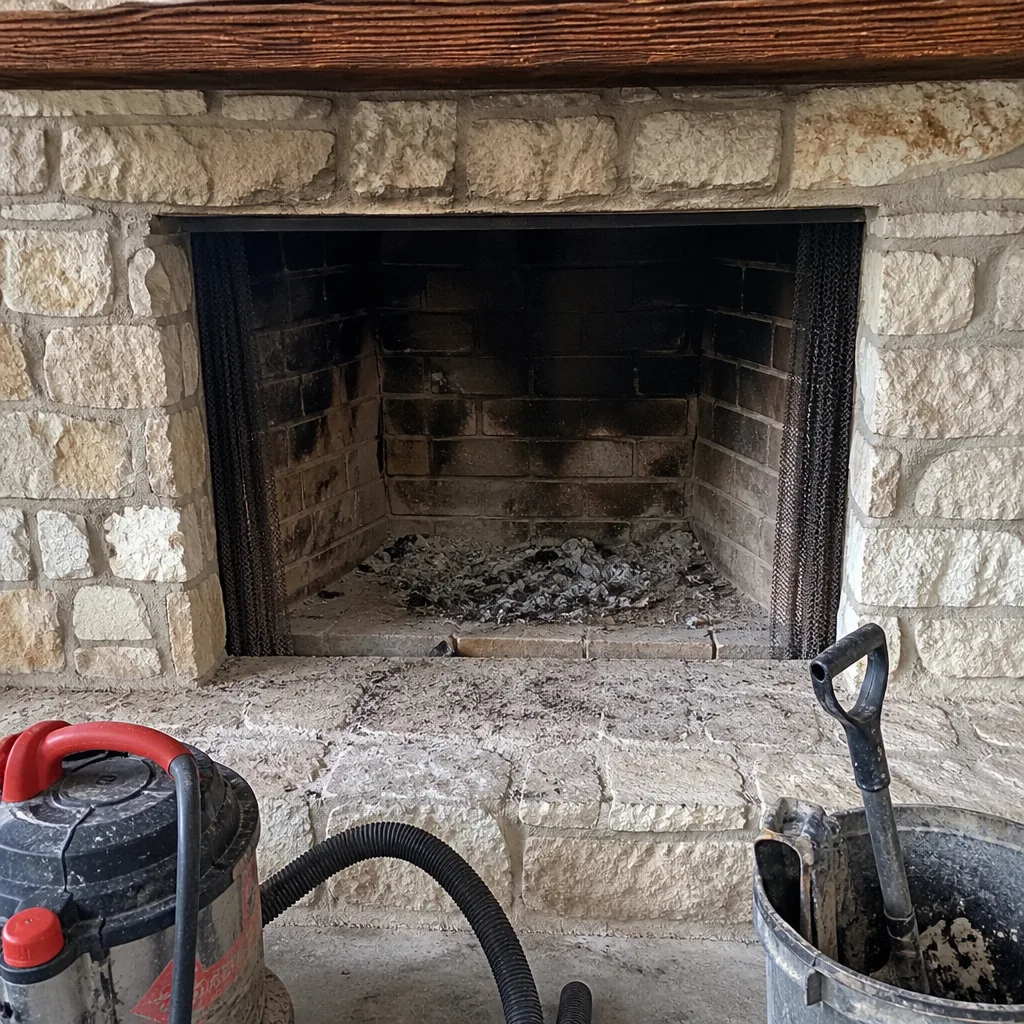
The fix for most of this is not exotic. A proper chimney cap that fits the flue opening, a crown that isn’t cracked, and an inspection in late summer go a long way. Where the liner has already been affected, resurfacing products like HeatShield exist specifically for restoring the internal surface rather than tearing out and relining from scratch. We use HeatShield because it’s what a compromised flue actually requires in a lot of cases, and it extends the infrastructure rather than simply masking a problem.
If your chimney hasn’t been looked at since the last burn season, the off-season is exactly when the accumulated damage is easiest to see and most affordable to address. Homeowners in League City who want a straight answer on what shape their flue is in can book an inspection and get a written report with photos.
What a Pre-Season Startup Inspection Actually Covers
A pre-season inspection in a mild climate is not a quick peek up the flue. Eight or more months of idleness create a specific checklist, and it’s different from what a northern inspection prioritizes. Here’s what a proper startup inspection covers when it’s done for a League City home.
- Exterior cap and crown. The inspector checks that the cap is intact and properly fitted, that no wasp nests or debris are packed inside, and that the crown isn’t cracked or spalling. This is where most summer water enters.
- Flashing at the roofline. The metal flashing where the chimney meets the roof is checked for lifting, corrosion, or sealant failure. Small gaps here let in water during the heavy rain events that are common here through late summer and fall.
- Damper operation. The damper is opened and closed to confirm it moves freely and seals. A seized damper is common after a humid off-season and is a straightforward fix if caught early.
- Firebox condition. The firebox and any firebrick are inspected for cracks, missing mortar, and separation from the surrounding masonry.
- Smoke chamber and flue interior. A camera inspection gives the inspector, and you, a clear look at the flue lining from the smoke shelf up. Cracks, gaps, and signs of moisture damage are recorded with photos.
- Creosote and soot load. Whatever accumulated last burn season is assessed. If the sweep is due, it’s done at this point, before the first fire.
- Draft test. The inspector confirms the flue drafts correctly, so that the first fires of the season don’t smoke into the room.
- Written report and photo documentation. You get a written summary of what was found, what needs attention, and what can safely wait. Nothing is recommended without evidence you can see.
If nothing turns up in the camera inspection, we say so. It’s a judgment call that shouldn’t be padded, and a homeowner who is told plainly that the flue is clean and safe is a homeowner who trusts the next recommendation.
The right time to schedule this is late September through early October, before the first fire. Doing it any earlier risks missing late-season storm damage. Doing it any later means you’re doing it after the burning season has already started.
Storms and Heavy Rain: The Post-Storm Inspection Most Homeowners Skip
Heavy rain in southeast Texas does not just rinse a roof. It drives water sideways into places a chimney isn’t designed to shed from, and the damage is often invisible from the ground. The most common post-storm issues in League City chimneys are rarely dramatic, and that’s the problem: they sit and accumulate.
- Lifted or displaced chimney caps: wind-driven rain and gusts push caps out of alignment, which opens the flue to the next rain event.
- Flashing separation: the sealant around roof flashing can fail without any obvious sign from below. Water then tracks down the masonry and into the attic or ceiling.
- Saturated masonry: brick and mortar absorb water and dry slowly. If the crown is compromised, saturated masonry stays saturated for weeks.
- Debris in the flue: leaves, twigs and roof grit blow into an uncapped flue. This is one of the more common causes of a smoky first fire in the fall.
What we tell homeowners is simple: after any storm significant enough to film a news segment, take five minutes to look at the chimney from the ground. If the cap is tilted, the crown looks different, or there’s staining on the exterior masonry, book an inspection. If it looks unchanged, you can still ask for a check during the pre-season visit. The point isn’t to inspect after every thunderstorm. It’s to catch the ones that actually did something, before the next burn season turns a small leak into a liner repair.
One more note on this: dryer vent exterior hoods take similar storm damage. A vent hood that has come loose or been pushed open by wind lets rain into the duct, where lint and moisture combine in a way that clogs much faster than normal. It’s worth checking in the same five-minute walk around the house.
Dryer Vent Care Through a Humid League City Summer
Lint is the obvious problem in a dryer vent. Humidity is the less obvious one, and in a League City summer it’s the one that accelerates everything. Lint that would stay loose and blow through in a dry climate absorbs moisture here and turns into a dense, sticky mass that clings to the duct walls. Add a warm attic or wall cavity and the effect compounds.
Why this matters for safety: a clogged dryer vent restricts airflow, which makes the dryer run hotter and longer, and lint is highly combustible. Dryer vents are a recognized household fire hazard, and most chimney companies don’t touch them, which leaves homeowners to find a separate contractor for a connected venting problem.
Seasonal dryer vent care in this climate comes down to three habits:
- Clean the lint screen every load. This is basic, but it’s the single biggest reducer of lint reaching the duct.
- Check the exterior hood seasonally. Confirm the damper flaps open freely and closes when the dryer stops. Look for lint accumulation around the opening and any sign that rain has gotten inside.
- Book a full duct cleaning once a year. The best time in this climate is late spring, before the peak humid stretch, so the duct is clear going into the season that compacts lint fastest.
Signs that a vent is overdue: clothes take two cycles instead of one, the exterior hood barely flaps, the laundry area feels unusually humid, or the outside of the dryer gets hot to the touch. Any of those mean a cleaning, not a wait-and-see. Our dryer vent cleaning service is scheduled separately from the chimney sweep and takes far less time, which makes it easy to line up both visits in a single call.
Month-by-Month Action Items for League City Homeowners
This calendar is built around how the chimney and dryer vent actually behave in League City’s climate, not a generic northern template. Some months repeat the same task on purpose, because this is a two-season rhythm, not twelve distinct steps.
January and February: Burn Season in Progress
- Watch for smoke entering the room on startup. It usually means a flue that needs attention, not a fire-building problem.
- Use dry, well-seasoned firewood; it deposits less creosote than green wood.
- Don’t load the firebox beyond its intended capacity. Over-firing accelerates liner wear.
March: Closing Out the Burn Season
- Schedule a season-end sweep so the flue doesn’t sit for eight months with fresh soot and creosote in it.
- Do a ground-level visual check of the cap, crown and masonry exterior.
- Confirm the damper closes fully once the last fire of the season is done.
April and May: Pre-Humidity Window
- Book the annual dryer vent cleaning now, before summer humidity starts compacting lint.
- Check the exterior dryer hood for free movement and any lint accumulation.
- Address any small repairs found during the March sweep, before humidity makes them worse.
June through August: The Critical Off-Season
- Do a mid-summer exterior look for pest activity around the cap.
- After any major rain event, check the cap and the masonry for changes.
- If the flue smells musty inside the house, that’s a signal worth an inspection, not a wait.
September: Pre-Season Inspection
- Book the pre-season inspection with camera and photo report.
- Handle any liner resurfacing or crown repair now, so it’s complete before the first fire.
- Clear any debris or nests that accumulated over the summer.
October: First Fire
- Open the damper fully before lighting.
- Do a small test burn to confirm draft.
- Keep the number for your chimney professional on hand, in case the first fire reveals something.
November and December: Peak Burn Season
- Monitor for smoke roll-out or a fire that’s harder to light than it should be.
- Continue using seasoned wood and avoiding over-firing.
- Watch the forecast; a pre-holiday inspection is often worth it if you’ll be burning frequently.
Why Materials Matter More Than the Sweep Itself
The sweep is the routine part. The repair work is where the long-term outcome of a chimney gets decided, and that’s mostly a question of materials. A repair done with hardware-store parts will fail in a climate that stresses materials with heat, humidity and rain in the same year. A repair done with professional-grade components made for chimney systems will not.
We work with a short roster of brands because they’re the ones the job actually requires. DuraFlex for flexible relining. HeatShield for liner resurfacing. Gelco for flue and crown sealants. Olympia Chimney and Copperfield for the broader range of hearth and venting components, and Famco for venting parts. Those names matter because they’re the same brands the rest of the trade relies on, and they mean fewer delays when a repair needs a specific part rather than a substitute that “will do.”
When a flue has cracked tiles or deteriorated joints, the choice isn’t between expensive and cheap. It’s between restoring the liner or replacing it. HeatShield resurfacing is often the right answer for a flue with good structure but a compromised interior surface, and it costs less than a full reline because it works with what’s already there. When the structure itself is failing, a new liner is the correct call, and DuraFlex is what we use for that application.
Our technicians have up to 15 years of experience, and that experience is most useful when it’s spent telling a homeowner what to actually do, not selling them the largest job in the catalog. Nothing gets recommended without camera evidence you can look at yourself. If the work can safely wait, we say so.
Warning Signs You Shouldn’t Wait Until Fall to Address
Most chimney problems don’t announce themselves. But a handful of warning signs mean the calendar doesn’t matter; you should call now, regardless of the season.
- Smoke rolling back into the room on startup. Often a draft or obstruction problem, and it gets worse with a full flue.
- A strong musty or creosote smell, especially in warm weather. In a humid climate, this frequently means moisture in the flue.
- Visible cracking in the firebox or separation between the firebox and surrounding masonry. This is a safety issue, not a cosmetic one.
- Loose or missing chimney cap. Every day it’s missing is a day rain and pests are getting in.
- Water stains on ceiling or walls near the chimney. That’s flashing or crown failure, and it rarely stays small.
- Birds or insects inside the firebox. A nest or debris blockage.
- Dryer taking two cycles and the exterior hood not flapping. This is a vent restriction, and it’s worth handling sooner rather than later.
The one sign that gets ignored most often in this climate is the subtle musty smell in a room with a fireplace during the summer. It’s easy to write off as air conditioning, but in League City, that smell in July almost always traces back to the flue.
Common Mistakes to Avoid
- Treating League City like a cold-climate chimney market. Scheduling a mid-winter sweep instead of a pre-season one means the accumulated off-season damage is already inside the burn season before it’s caught. The pre-season inspection is the one that matters most here.
- Skipping the post-storm check. One heavy rain event can lift a cap or open flashing. Waiting until October to look means the water has had months to work in.
- Assuming an uncapped flue is fine because no rain has gotten in yet. In a humid climate, the problem isn’t direct rain entry. It’s the constant damp air moving through an open flue all summer.
- Using a dryer vent as a lower-priority item. In a League City summer, lint compacts faster than most homeowners expect because of humidity. A once-a-year cleaning is the baseline.
- Letting a “will do” repair stay in place. Substitute parts on a chimney fail quickly in this climate. The repair should be done once, with the right component, not patched repeatedly.
- Ignoring a musty smell in the off-season. A flue that smells earthy in July is telling you the lining is holding moisture.
- Calling a general handyman for liner work. Liner resurfacing and relining require specific products and specific technique. A handyman with general tools isn’t set up for it, and the result shows up a season or two later.
See the difference
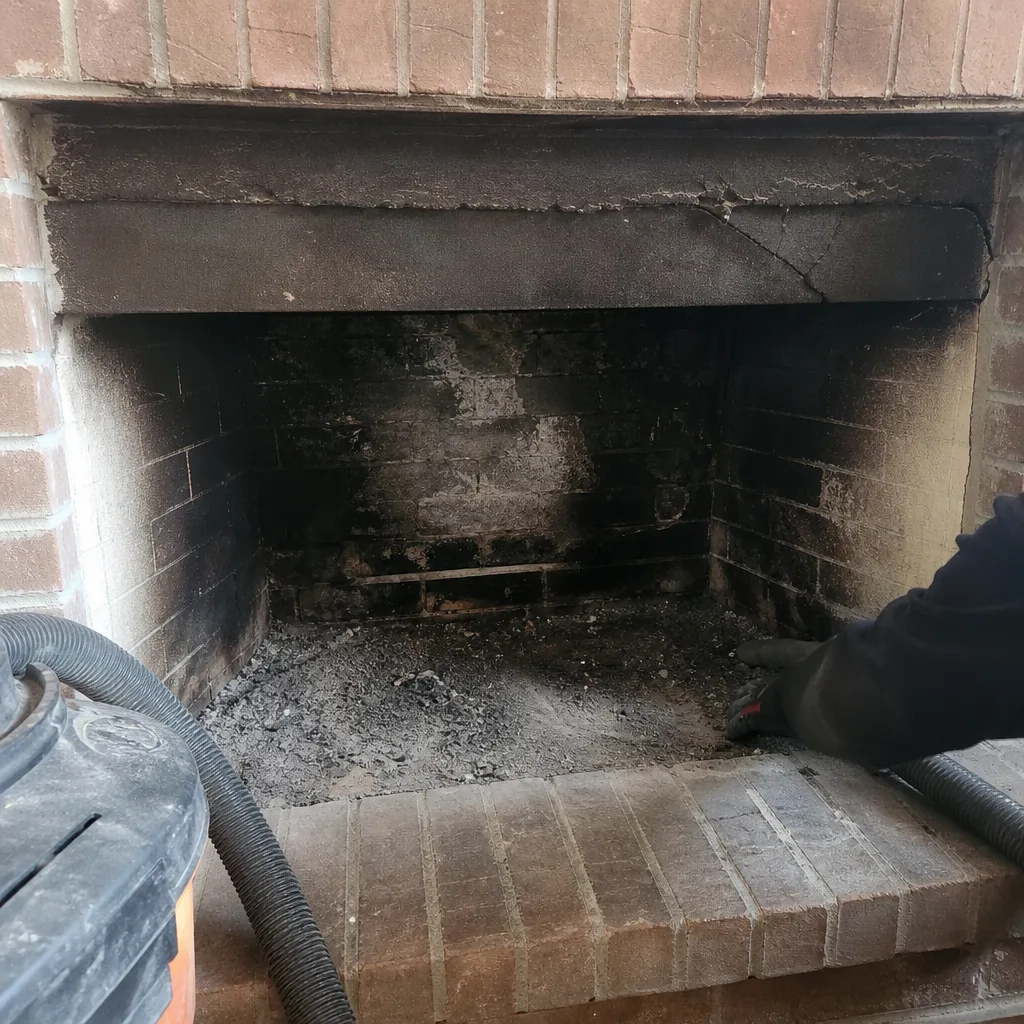 Before
 After
 Before
 After
 Before
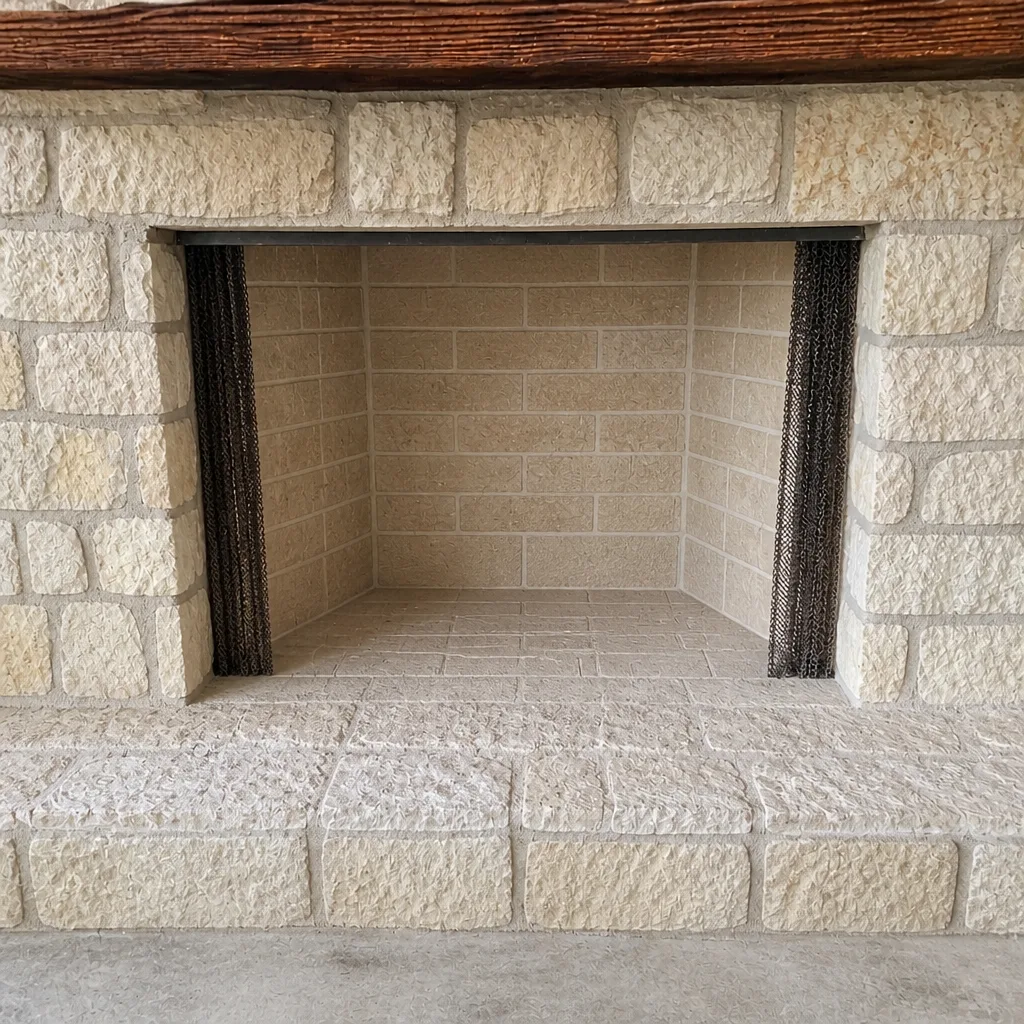 After
When to Call a Professional
The routine sweep can be scheduled. These are the situations where you shouldn’t wait for the calendar: smoke rolling into the room, a cracked firebox, a missing or displaced cap, water stains near the chimney, a persistent musty smell in warm weather, evidence of a bird or insect nest in the flue, or a dryer that takes two cycles with an exterior hood that won’t flap. Any one of those is enough reason to call. The other situation is simpler: if you’ve just moved into a League City home and don’t know when the chimney was last serviced, that’s the moment to book a start-of-ownership inspection.
League City Chimney Cleaning offers free estimates in League City. Call (866) 819-7336 to schedule an inspection or a sweep. We answer 24/7. Fast dispatch from 7am to 7pm, Sunday through Friday.
Frequently Asked Questions
Once a year is the standard baseline, and for most League City homeowners that means one sweep and one inspection per year timed before the burning window opens. Homes that burn frequently through the winter may need the sweep moved earlier or a second check partway through the season. The important part is that the sweep is paired with a camera inspection; the sweep alone doesn’t reveal liner condition. Call (866) 819-7336 to schedule, and estimates are free.
A musty smell coming from the fireplace in warm weather usually means moisture is sitting in the flue, often because the cap or crown has let humid air or water in and there’s no fire drying it out. In this climate the smell is more common in July and August than in winter. It’s worth an inspection because the underlying issue is usually fixable before it turns into liner damage. Call (866) 819-7336 for an inspection with a photo report, and estimates are free.
No, not after every storm. After any major rain or wind event, do a quick visual check from the ground for a tilted cap, staining, or obvious masonry changes. If something looks different, book an inspection. If it looks unchanged, you can wait for the pre-season visit. The storms that cause damage are usually the ones with sustained wind and heavy rain, not brief afternoon showers. Call (866) 819-7336 if you’re unsure.
Dryer vent cleaning is best done once a year, in late spring before the humid months, because lint compacts faster in warm, moist air. It’s a short visit and can be scheduled alongside a chimney service. If the dryer starts taking two cycles, the exterior hood won’t flap, or the laundry area feels unusually humid, that’s a sign to clean it sooner. League City Chimney Cleaning handles both chimney and dryer vent work through one call: (866) 819-7336.
HeatShield is a liner resurfacing system, and it’s used to restore the interior surface of a flue that still has sound structure. It’s not a cosmetic patch; it’s a restoration of the lining itself. For flues where the structural tiles are failing, a full reline with a product like DuraFlex is the right call instead. An inspection with camera evidence determines which applies. Call (866) 819-7336 with questions, and estimates are free.
Skipping a pre-season inspection means any off-season moisture damage or pest intrusion goes into the burning season unaddressed. The fires then drive heat and combustion byproducts through whatever weak points exist, which can turn a small crack into a larger failure. It isn’t a guaranteed disaster in one skipped year, but in a climate with a long humid off-season, the problems compound faster than in a dry climate. Call (866) 819-7336 to get a pre-season inspection booked, and estimates are free.
The Bottom Line
League City’s chimney year is a short burn season wrapped in a long humid one, and the care calendar has to match. The pre-season inspection before the first fire catches accumulated summer damage. The post-storm look catches wind and rain issues before they settle in. The dryer vent cleaning in late spring keeps the vent moving freely through the humid months. And the repair work, when it’s needed, is done with the right materials: HeatShield for resurfacing, DuraFlex for relining, and the professional-grade brands that hold up in this climate. Inspect, identify, fix. Clean flue, safe home.
If you’re not sure which part of the cycle you’re on, start with an inspection. It’s the most useful first step, and the report tells you exactly where you stand.
For chimney sweep, chimney repair, or dryer vent work in League City, call League City Chimney Cleaning at (866) 819-7336 for a free estimate. We answer 24/7. Fast dispatch from 7am to 7pm, Sunday through Friday.
Written by the team at League City Chimney Cleaning.