
Last updated November 15, 2026
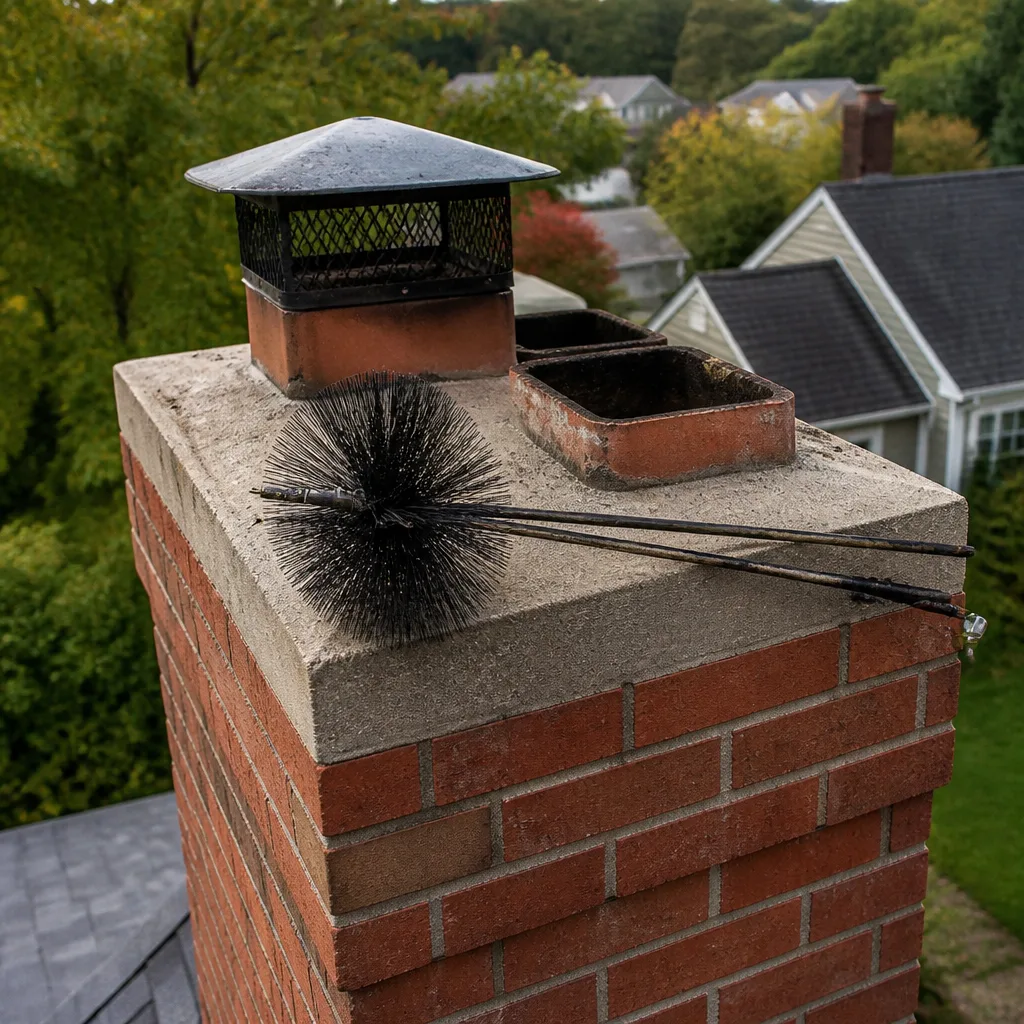 Sweep & inspection
 Caps & crowns
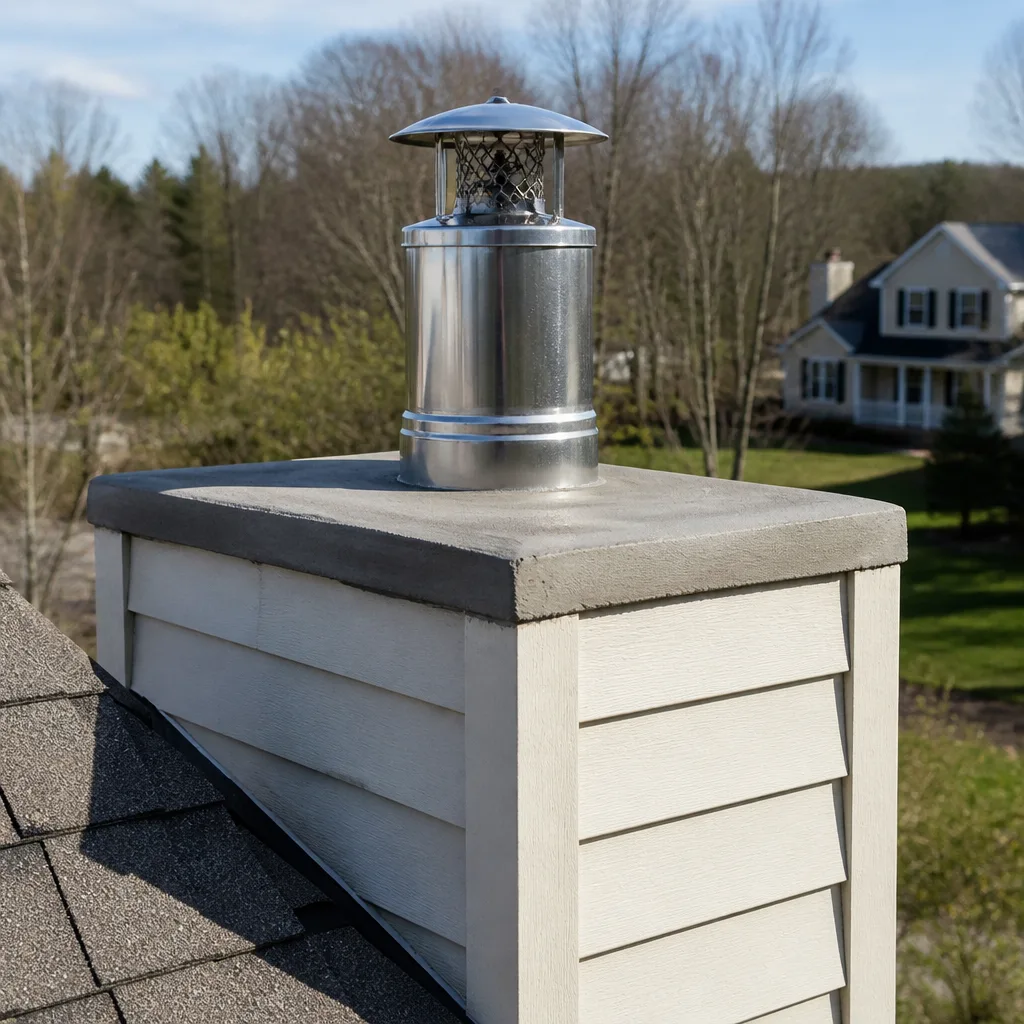 Flue relining
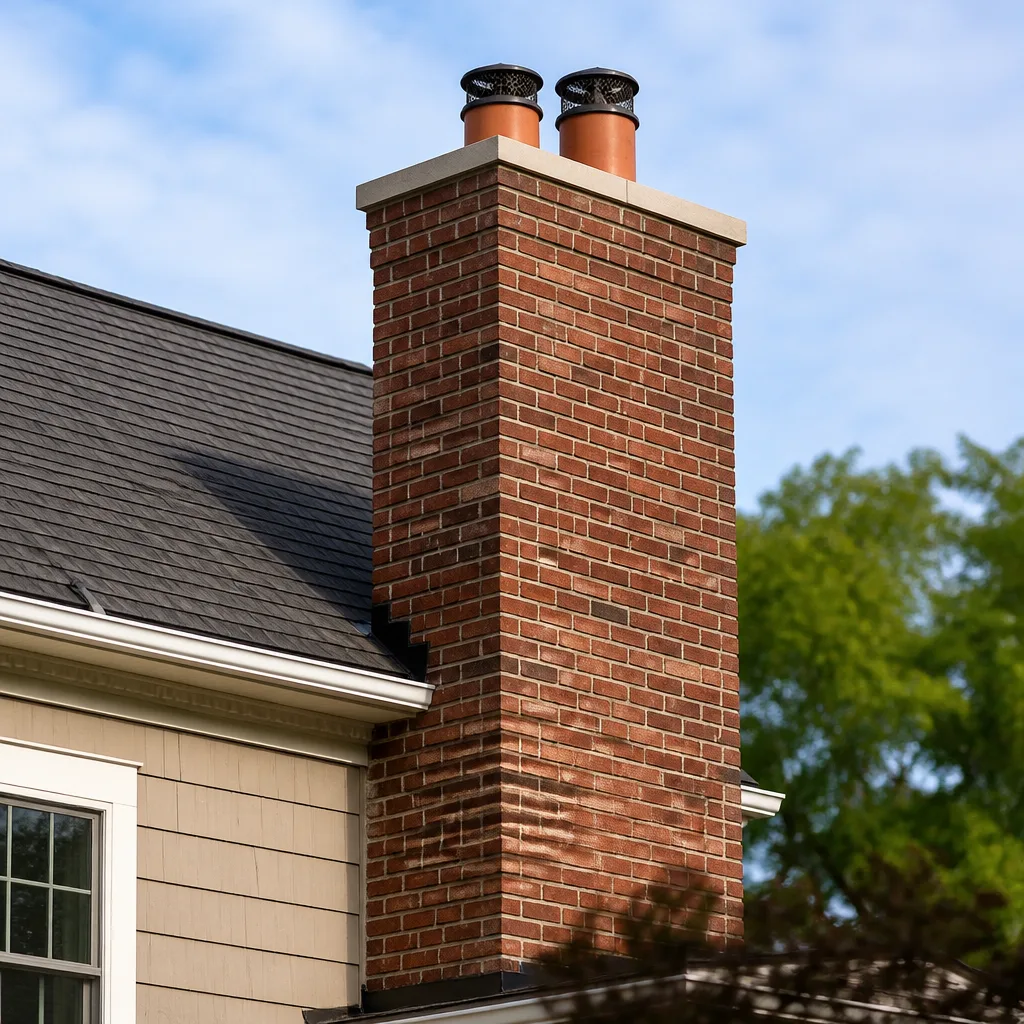 Masonry repair
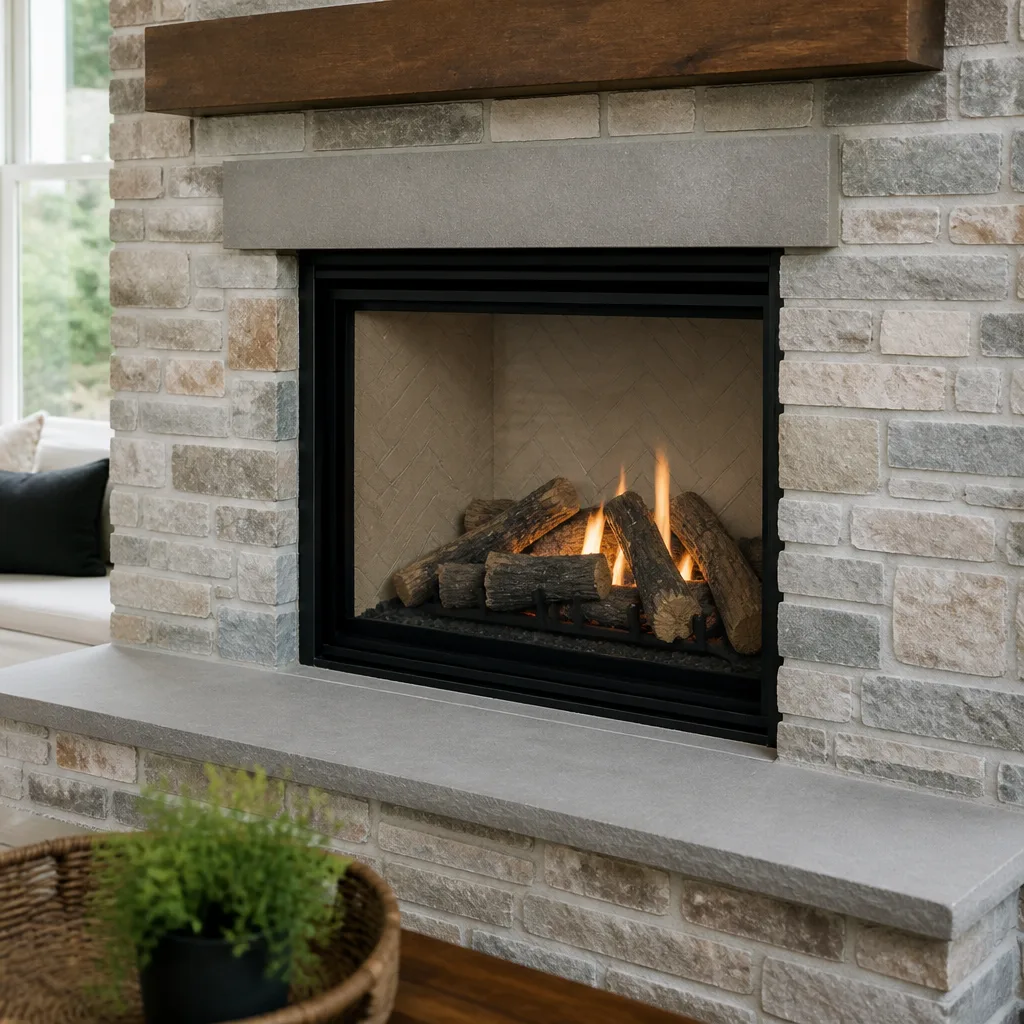 Gas fireplace service
Level 1 sweep and inspection to the NFPA 211 annual standard - flue, crown, cap, and flashing checked and photographed
Chimney sweep logs do not sweep chimneys. They loosen some creosote - which then falls where a brush and vacuum still have to collect it.
How to Hire a Chimney Cleaning Contractor in League City: A Step-by-Step Guide
A CSIA-certified sweep and someone who bought a brush kit and listed chimney cleaning on a classified ad can both show up at your door with a shop vac. To a homeowner standing in the hallway, they look about the same. The difference shows up in the flue: one measures the draft, checks the liner and writes it down; the other scrapes what they can reach and leaves. League City has a mix of both, because the market here pulls in general handymen who tack chimney work onto a long menu. This guide gives you the questions, the credential checks and the quote red flags that separate a real professional from an opportunist before you sign anything.
Quick Answer
To hire a chimney cleaning contractor in League City, verify CSIA certification and chimney-specific liability insurance before booking, ask for a written inspection report, and insist on named professional-grade materials in any repair quote. A legitimate contractor answers all three without hesitation, quotes line items instead of a single flat figure, and never pressures you to approve repair work during the same visit. If any of those checks fails, walk away and call the next name on your list.
Styles & brands we work with
- Sweep & inspection
- Caps & crowns
- Flue relining
- Masonry repair
- Gas fireplace service
Table of Contents
- Why Hiring a Chimney Contractor in League City Is Harder Than It Looks
- What CSIA Certification Actually Means and How to Verify It
- Why Chimney-Specific Liability Insurance Matters
- How to Read a Chimney Cleaning Quote Without Getting Burned
- How to Evaluate Whether They Use Real Name-Brand Components
- Questions to Ask About Dryer Vent Inspection
- A Step-by-Step Hiring Checklist You Can Use Today
- Questions Every Homeowner Should Ask Before Booking
Why Hiring a Chimney Contractor in League City Is Harder Than It Looks
Chimney work sits in a strange spot. It’s not licensed the same way as electrical or plumbing in most of Texas, so a contractor’s truck lettering tells you almost nothing. General handymen add “chimney cleaning” to their service list because it sounds simple: brush, vacuum, done. But a flue is a building assembly with clearances, a liner, a cap, a crown and a draft you can’t see without a light and a camera. The work that matters happens above and behind what a brush can reach.
There’s a housing factor specific to League City that makes this sharper. Many homes here were built during the rapid growth of the 1990s and 2000s, which means factory-built fireplaces and pre-fabricated chimney systems are common. Those systems have specific manufacturer requirements for the liner and the parts that go into them. A craftsman who’s used to masonry chimneys can quietly order the wrong components, and you’d never know until a problem shows up. Knowing whether the person on your roof understands the difference between a masonry flue and a factory-built one is part of the hiring decision.
Then there’s the climate. Winters in League City are mild, so the fireplace runs less often than in colder parts of the country. Homeowners here skip the annual sweep because “we barely used it this year.” But less use doesn’t mean no buildup. Creosote accumulates from a few fires a season just as it does from thirty. Meanwhile, humidity swings through the year and moisture that gets into a flue can degrade a liner without ever setting off a smoke alarm.
Those details make the market risky: low perceived need plus low visibility means an unqualified contractor can do technically-work-that-looks-fine and get paid. The checks in this guide close that gap.
What CSIA Certification Actually Means and How to Verify It
CSIA certification is the closest thing to a baseline credential in this trade. The Chimney Safety Institute of America runs a testing and continuing education program that requires a written exam covering codes, venting principles, liner types and diagnostics. A CSIA-certified technician has demonstrated knowledge across the whole chimney system, not just sweeping. A non-certified cleaner may be competent, but you have no way of knowing that from the outside.
Here’s the part most guides skip: verifying certification takes about two minutes if you know how to do it.
- Go to the CSIA website’s “Find a Professional” search tool.
- Enter the company name or a technician name if you have one.
- Confirm the certification is current – not expired and not lapsed.
- Ask the contractor to name the certified individuals who’ll be on site. Certifications attach to people, not company trucks.
A company may display the CSIA logo while the certified owner sends an uncertified helper to your home. That’s legally fine in most markets but it’s not what you thought you were buying. Ask directly: will the technician who does the inspection hold current CSIA certification? A straightforward contractor will tell you yes, or will name the certified person who’s supervising. A vague answer is your signal.
During the visit, watch for the small tells. A certified technician carries a flashlight and a camera for the flue. They measure the flue’s dimensions. They check the firebox, damper, smoke chamber and cap, not just the visible portion of the flue. They write findings down. If the visit is fifteen minutes of scraping and a handshake, the certification question was never really answered.
Why Chimney-Specific Liability Insurance Matters for Homeowners
General liability coverage is the baseline every contractor should carry. Chimney work adds a category of risk that standard coverage may exclude or that a general home-service policy wasn’t written for: a technician on the roof, working with soot and fire residue, potentially dislodging a component inside the chimney chase. If something drops down the flue or a cap comes loose and damages the liner, the claim needs to land somewhere.
General contractor’s insurance often covers the business broadly but may not name the specific exposures a chimney job creates. Roof access work, chimney interior work, and work above the roofline may sit in exclusions. A serious chimney contractor carries coverage that accounts for this. When you ask, listen for how quickly and specifically they answer.
- Ask for the certificate of insurance before the visit. Not after. Not “on request later.”
- Ask whether the policy covers roof access. If not, the technician shouldn’t be on your roof.
- Ask whether the policy is current. Lapsed coverage is common with smaller outfits.
- Confirm the policy lists the company you’re hiring. A subcontractor numbering scheme is a red flag.
This is where a real chimney specialist matters. A company whose only services are chimney sweep, chimney repair and dryer vent cleaning has a reason to carry the right policies. A handyman doing twenty trades has less reason to. The insurance question is a tool to filter for that focus. In League City, where a lot of homes are older factory-built systems, the roof-access and chimney-interior exposures are everyday realities, not edge cases.
How to Read a Chimney Cleaning Quote Without Getting Burned
A clean quote is a set of line items. A dirty quote is a single number. That’s the fundamental test, and it’s the one homeowners miss most often because the number looks reasonable. Here’s what a professional quote should look like.
For a routine sweep, the quote should name the service (chimney sweep), the price, and what’s included. A camera inspection should be a separate visible line. If the quote lumps the sweep and the inspection into one price, that’s not automatically dishonest, but it hides what you’re paying for. The best contractors itemize clearly enough that you can see the difference.
For a repair, the quote should list specific materials by name and grade. “New flue liner” is a line item that could mean anything. “DuraFlex stainless liner, sized to the flue” is a quote you can verify. The difference is not just about price; it’s about whether the contractor is using professional-grade components or a generic substitute.
Watch for these red flags in any quote:
- Vague line items: “liner work,” “masonry repairs,” “related materials.” What specifically?
- Pressure to approve repair work the same day as the sweep. A legitimate contractor will let you sit on the quote and think about it.
- No written inspection report offered. If you didn’t get one, you can’t verify the findings independently.
- The quote forces you to accept a package: sweep plus inspection plus repair, one price, no breakdown.
- Repairs quoted at a level that would be surprising for the scope of the problem. Get a second opinion from another qualified contractor if the number is surprising.
Call (866) 819-7336 for a free estimate – we answer 24/7 and offer fast dispatch from 7am to 7pm, Sunday through Friday. Ask for the quote in writing, with materials named.
How to Evaluate Whether They Use Real Name-Brand Components
Professional-grade chimney components matter because the flue is a building assembly that either vents correctly or doesn’t. A generic stainless liner may not meet the same spec as an industry-standard brand. A generic cap may not fit the chimney correctly. A generic damper may not seal air-tight for the long haul. These are not the kinds of failures you see at the time of installation. They show up years later, when the liner has degraded or the cap has warped.
The way to test whether a contractor uses real brands is to ask for their parts list. Not their marketing materials; their actual parts list. A contractor who regularly works with DuraFlex, Olympia Chimney, Gelco or Copperfield can tell you which brand they’d use for your specific system and why. A contractor who buys whatever’s on the shelf will deflect the question.
At League City Chimney Cleaning, we work with a curated roster of recognized industry brands including DuraFlex, HeatShield, Gelco, Olympia Chimney, Famco and Copperfield. For liner restoration specifically, we use HeatShield, a specialist liner resurfacing system that can extend the life of a chimney’s existing liner without full replacement. Not every chimney qualifies for HeatShield. A qualified contractor will tell you honestly which systems are good candidates and which are not.
When you look at a repair quote, ask which parts are being specified and why. Real answers sound like “the liner is a two-ply stainless, sized to your flue diameter” or “the cap is a fabricated stainless unit sized to your chimney crown.” Unreliable answers sound like “standard parts” or “we’ll bring what’s needed.” The parts are specified in advance, or they aren’t, and the answer to that question tells you which kind of contractor you’re dealing with.
Questions to Ask About Dryer Vent Inspection
Lint buildup is a leading cause of house fires in the United States, and the dryer vent is one of the two flues in a home that actually gets neglected. A qualified chimney specialist should be able to inspect and clean it. A chimney-only company that “doesn’t do dryers” leaves a hole in your safety inspection. A general handyman who “doesn’t do chimneys” leaves a different hole. A single contractor covering both is a cleaner arrangement, and it’s a good proxy for the contractor’s overall competence.
Ask these questions in the first call:
- Do you inspect the dryer vent as part of a chimney service? If the answer is no, find out why – and whether they can inspect both systems back to back.
- What does the inspection include? A qualified inspector covers the exterior vent, the interior run, the transition behind the dryer and the lint trap enclosure.
- Do you clean or only inspect? Many contractors inspect but don’t clean. You want cleaning available on the same visit.
- Do you use a camera? A dryer vent that runs through a wall or long horizontal chase needs a camera to confirm blockage removal.
- Do you report findings in writing? The same rule applies as with the chimney: written findings, no verbal-only summaries.
For homeowners in League City whose dryer runs share a wall with the chimney chase, this is more than a convenience. It means one contractor can walk the entire venting system in one visit, identify every issue in both, and give you a written report covering the whole picture. League City Chimney Cleaning offers all three services – chimney sweep, chimney repair and dryer vent cleaning – which means one point of contact for both systems.
A Step-by-Step Hiring Checklist You Can Use Today
This checklist works in order. Use it for the next contractor you call and you’ll know within thirty minutes whether you’re dealing with a real professional.
- Ask for CSIA certification. Verify on the CSIA website before booking. Ask who’ll be on site.
- Request proof of chimney-specific insurance. Certificate of insurance, current, with roof-access coverage if applicable.
- Ask whether they cover both chimney and dryer vent systems. A full-venting contractor has less reason to cut corners.
- Ask for a sample written inspection report. Professional contractors can show you what one looks like. A verbal summary is not enough.
- Ask which materials they use for repair work. Listen for specific names like DuraFlex or HeatShield, and ask why those are the right choice for your system.
- Get the quote in writing before the visit. Line items, materials, prices. No single lump sum.
- Watch for pressure tactics on the day of service. If the sweep turns into a four-thousand-dollar repair approval demand on the spot, don’t approve it. Get a second quote.
- Read the written report within a week. If the findings are clear, you’ll want them for your records. If they’re vague, you’ll know to call someone else.
That last step is where a lot of homeowners get confused. A proper chimney inspection in League City should result in a report you can actually read and understand – what was found, what the condition is, what if anything needs attention. If you got a verbal summary of “looks fine,” you don’t have a report. You have a memory. And a memory isn’t documentation.
Questions Every Homeowner Should Ask Before Booking
These are the questions that get to the heart of the matter. Any one of them stumps a bad contractor; a good one answers all of them easily.
- Will you show me the camera footage or photos? A professional will walk you through the camera findings. A camera inspection without evidence isn’t an inspection.
- What certifications do the technicians carry? Name a specific one and ask about the technician assigned to your visit.
- What happens if you find a problem? They should tell you what they saw, recommend the next step, and let you think about it. No same-day pressure.
- How long has your company been doing chimney work specifically? Their answer should focus on the technicians’ experience, which is more specific and honest than a decade figure.
- Which brand of liner would you use for my flue, and why? Professional answers reference heat ratings, sizing and system type.
- Do you do dryer vents too? A qualified full-venting contractor should say yes and describe the scope.
- What’s included in the estimate? Sweep, inspection, photo report. Written or not.
If any of these are met with a rehearsed answer or an attempt to pivot to scheduling, that’s a signal. If all of them are met with specific, conversational answers, you’ve probably found your contractor.
Common Mistakes to Avoid
- Hiring a general handyman because the price looks reasonable. The price gap between a real chimney contractor and a handyman can look like savings, but the cheap option often means a flue that’s been “swept” without being inspected. In League City, where factory-built systems are common, the wrong parts on a handyman’s truck can mean a repair that fails within a season.
- Approving a repair decision on the same visit as the sweep. A professional inspection is a diagnosis; the repair is a separate decision. Same-day approval pressure is the classic way homeowners get talked into thousands of dollars of work they didn’t need. Slow down and get the written report first.
- Skipping the CSIA check. The logo is not the certification. Verify the technician actually holds it. If the person coming to your home has no certification, the visit is a sweep, not an inspection.
- Not asking for chimney-specific insurance. General contractor coverage may not cover chimney work. Ask to see the certificate before the visit. If the contractor can’t provide one, you’re one roof-access mishap away from an uninsured loss.
- Assuming your dryer vent is fine. Lint buildup is the leading cause of dryer fires, and it builds up silently in the transition behind the dryer. Ask about dryer vent inspection as part of the same call, so both systems are covered in a single report.
- Going for the cheapest quote without asking which parts will go into the repair. A five-hundred-dollar liner that doesn’t meet spec is worse than no liner at all. Ask for the materials list in writing.
- Treating “we barely used the fireplace this winter” as a reason to skip the sweep. Usage isn’t the only factor; draft, moisture and time all contribute to buildup. A catch-up inspection is worth a call after a few seasons.
See the difference
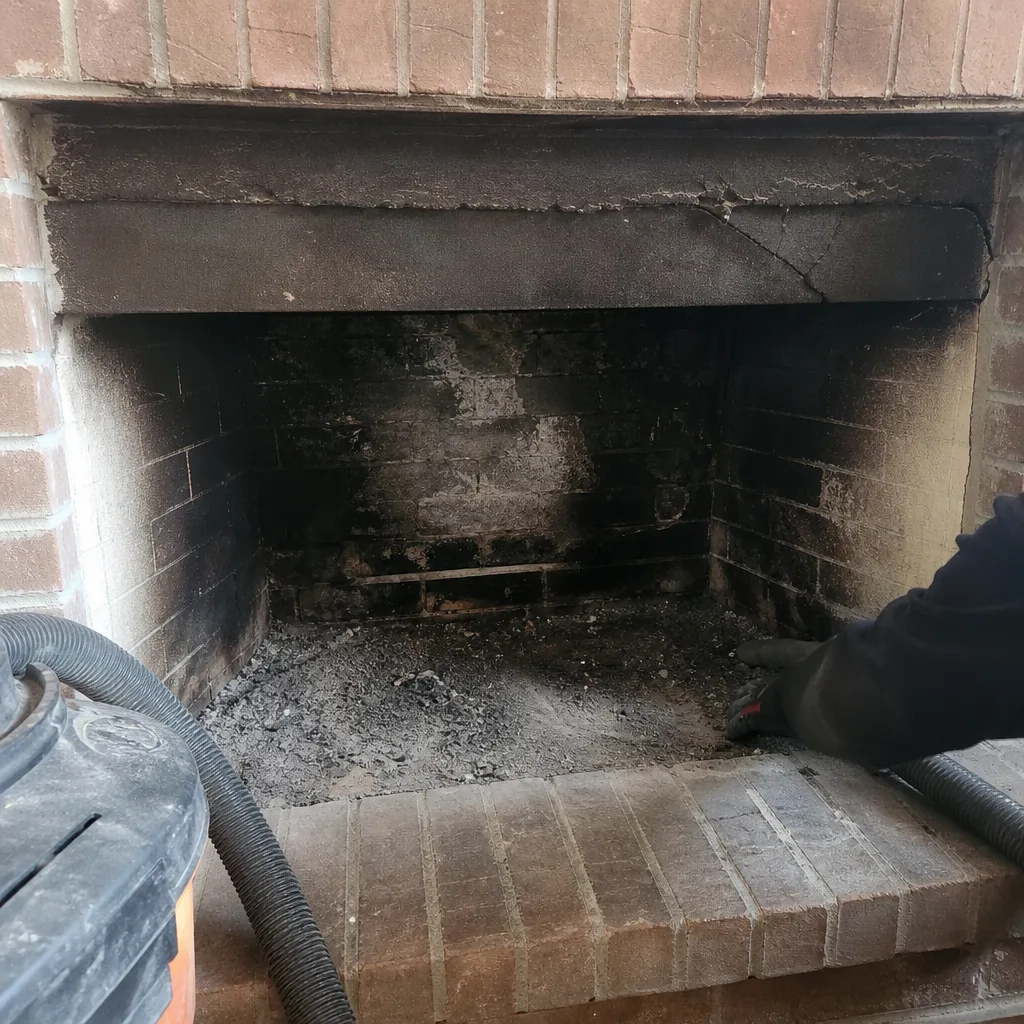 Before
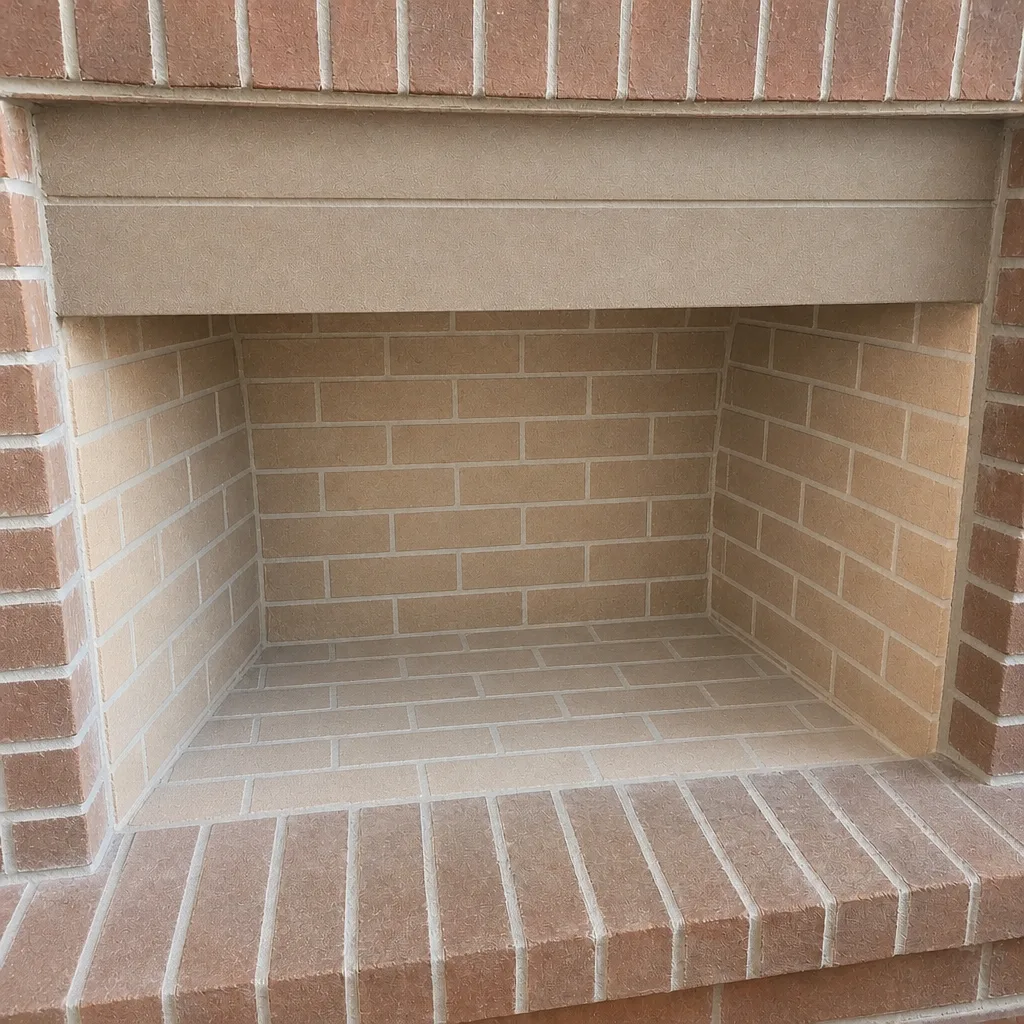 After
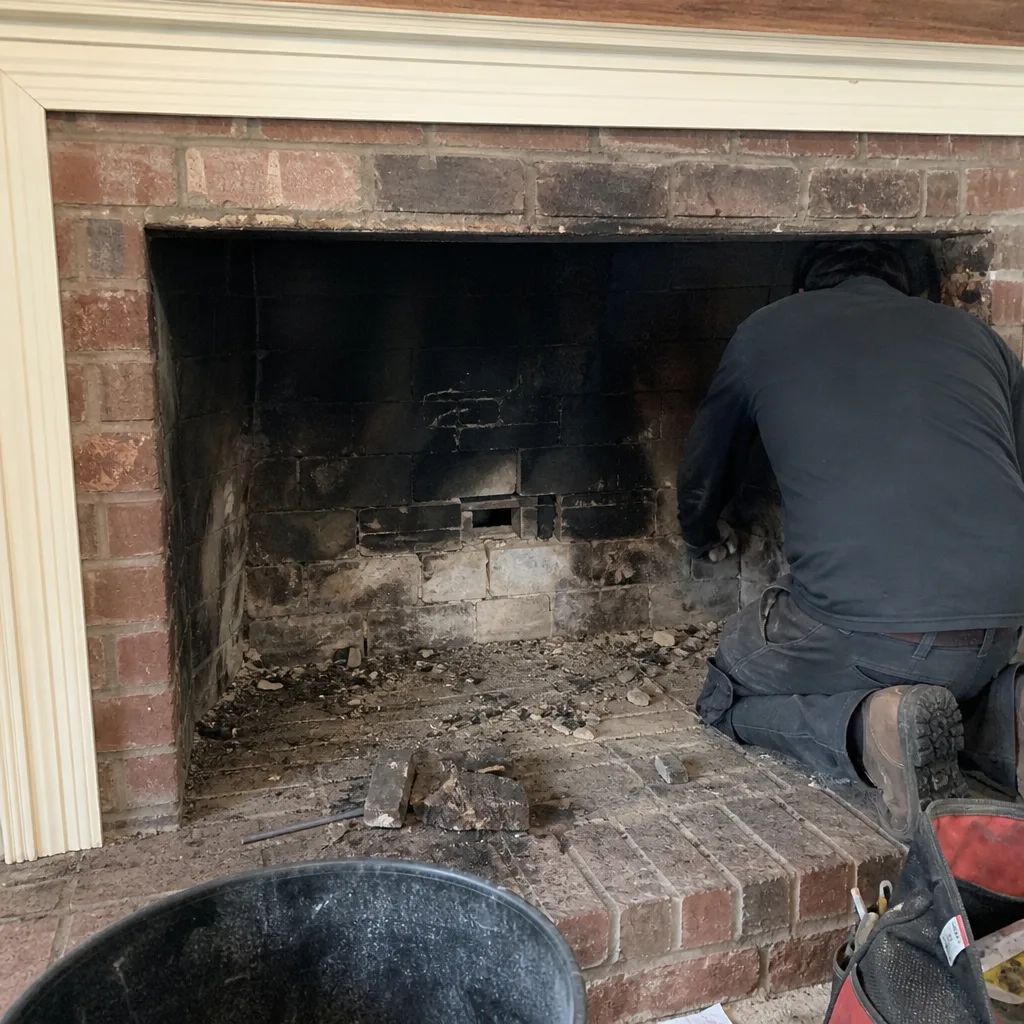 Before
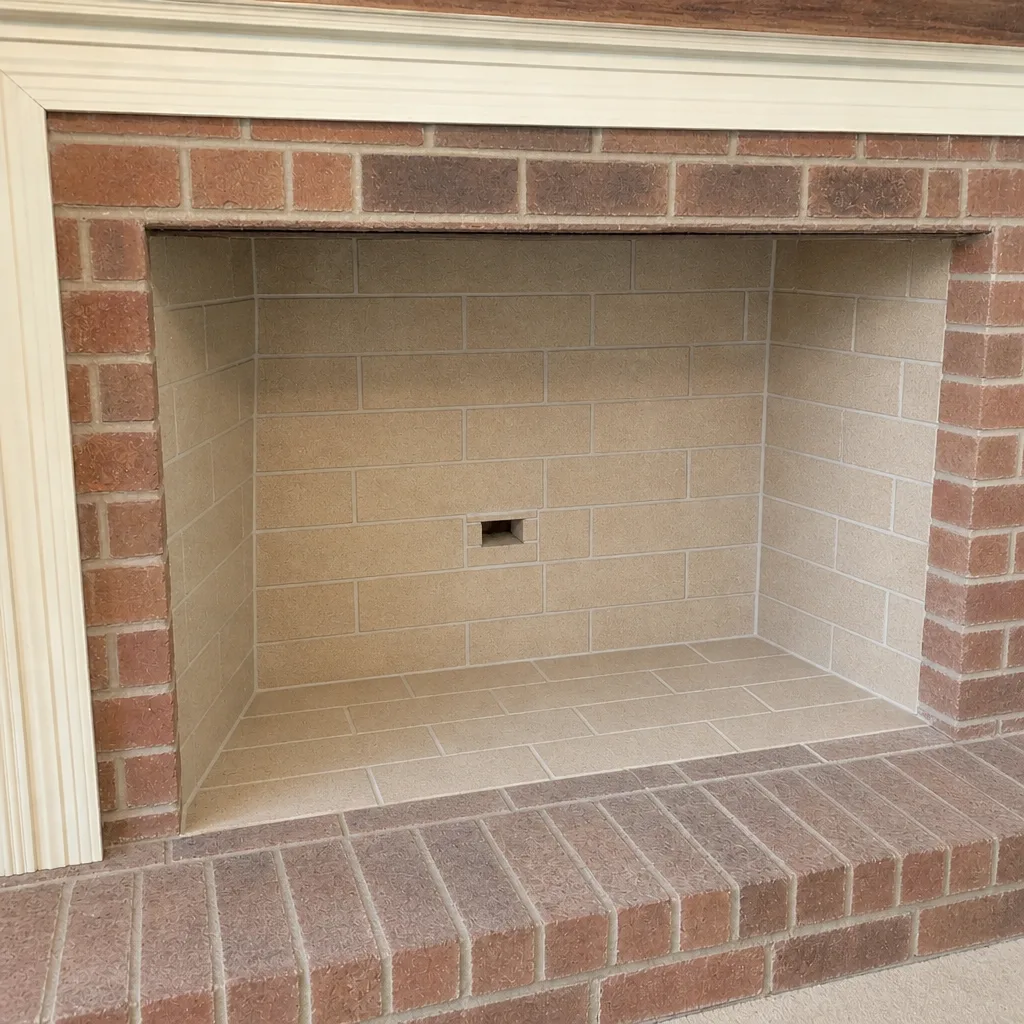 After
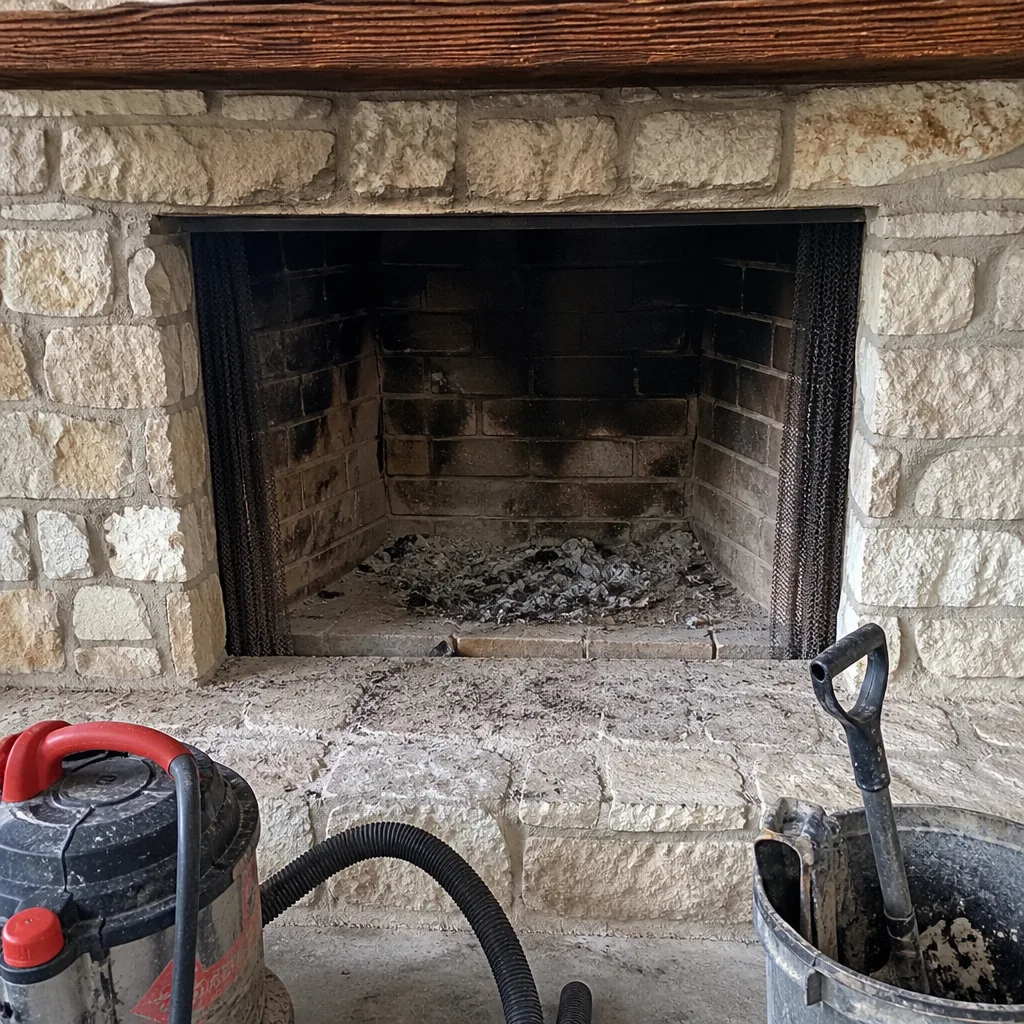 Before
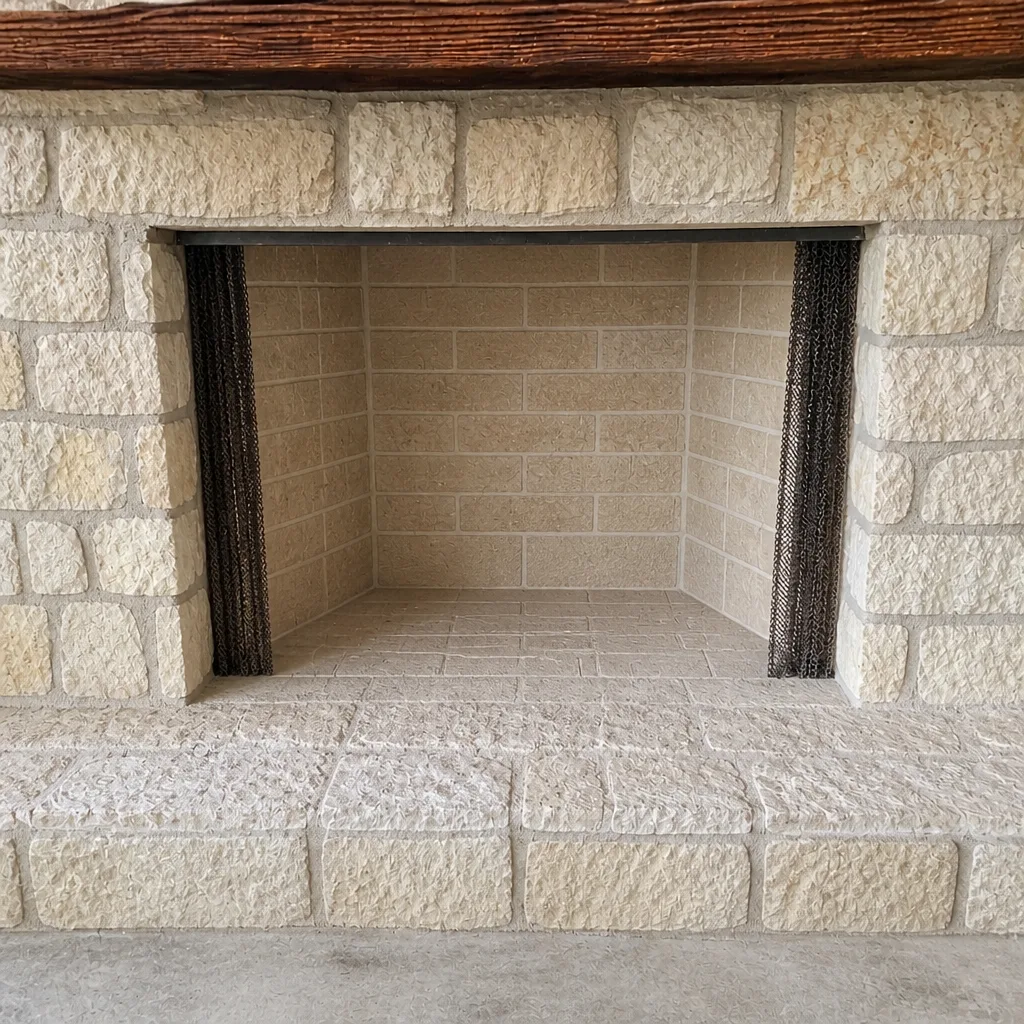 After
When to Call a Professional
Call a professional chimney contractor in League City when you can’t verify what’s inside the flue yourself, when any smoke has come back into the room during a fire, when the fireplace has been unused for a few seasons, or when you’re considering buying or selling a home and need documented chimney condition. The same is true for the dryer vent: if a load of laundry takes longer than it used to, or you’ve never had the vent cleaned, it’s worth a check. Our rule is simple – nothing gets recommended without camera evidence you can see for yourself, and we’ll tell you plainly when work can safely wait. League City Chimney Cleaning offers free estimates in League City. Call (866) 819-7336 and we’ll answer, with fast dispatch from 7am to 7pm, Sunday through Friday.
Frequently Asked Questions
Go to the CSIA website’s “Find a Professional” search tool, enter the company or technician name, and confirm the certification is current. Then ask the contractor to name the specific certified technician who’ll be on site – certifications attach to people, not company trucks. If that question is dodged, the certification isn’t in play for your job. Call (866) 819-7336 for a free estimate and we’ll answer any credential questions before we schedule.
The three that matter most are: do you hold current CSIA certification, can you show a certificate of chimney-specific liability insurance, and will I get a written inspection report with camera evidence. Beyond those, ask which brand of liner they use for repairs and whether they inspect the dryer vent on the same visit. A contractor who answers all five without hesitation is worth booking. Call (866) 819-7336 and we’ll walk you through every one of them – estimates are free.
A verbal summary is not enough. A written report is what lets you compare quotes, get a second opinion and verify the findings later. Without it, you can’t tell whether the contractor actually inspected the chimney or just swept the visible portion. Ask for the report in writing before you book, and make the findings your own. If any of it doesn’t make sense, call (866) 819-7336 for a free estimate and second set of eyes.
Chimney work adds roof access, chimney interior access and potential fire-residue exposure – categories that general contractor policies sometimes exclude. A serious chimney contractor carries coverage that accounts for those exposures and can produce the certificate before the visit. If the contractor can’t show you the certificate, don’t let the technician on your roof. Call (866) 819-7336 to ask about our coverage directly – the estimate is free.
Yes, and it’s a stronger hire than a chimney-only or dryer-only contractor. Lint buildup in the dryer vent is a leading cause of house fires, and a full-venting contractor can inspect both systems in one visit and give you one written report. Our three services – chimney sweep, chimney repair and dryer vent cleaning – mean one point of contact for both. Call (866) 819-7336 for a free estimate; we answer 24/7.
Don’t approve repair work on the same day as the sweep. A professional inspection is a diagnosis; the repair is a separate decision you make after you’ve had time to review the report. The one exception is a genuine safety hazard – a cracked flue or a disconnected vent that clearly needs immediate attention. Even then, ask to see the evidence. If the pressure doesn’t stop, get a second quote. Call (866) 819-7336 and we’ll quote you in writing, at no cost.
The Bottom Line
Hiring a chimney contractor in League City is a matter of verification, not trust. Check CSIA certification and chimney-specific insurance before you book, insist on a written inspection report with camera evidence, and make sure any repair quote names the materials – DuraFlex, HeatShield, Gelco, Olympia Chimney, Famco or Copperfield, not “standard parts.” A contractor whose sole services are sweep, repair and dryer vent cleaning has every reason to keep the standards high. Watch for the quote red flags and never approve same-day repair pressure. If you’ve been putting off the sweep because the fire barely got used this winter, that’s the call to make now. Visit chimney sweep to see how a proper visit works, or read about our League City coverage. And when you’re ready to book, call League City Chimney Cleaning at (866) 819-7336 for a free estimate. Our technicians have up to 15 years of experience, we answer 24/7, and we offer fast dispatch from 7am to 7pm, Sunday through Friday.
Written by the team at League City Chimney Cleaning.