
Last updated November 15, 2026
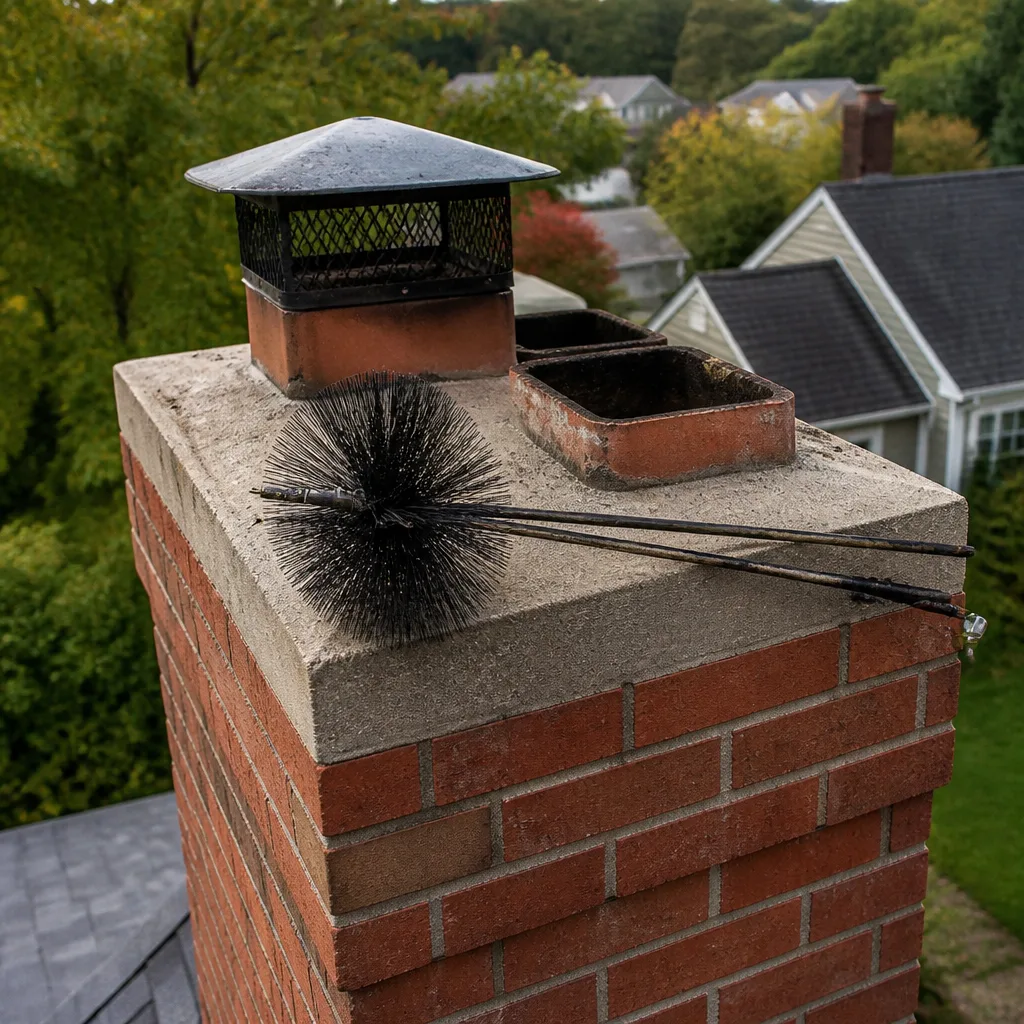 Sweep & inspection
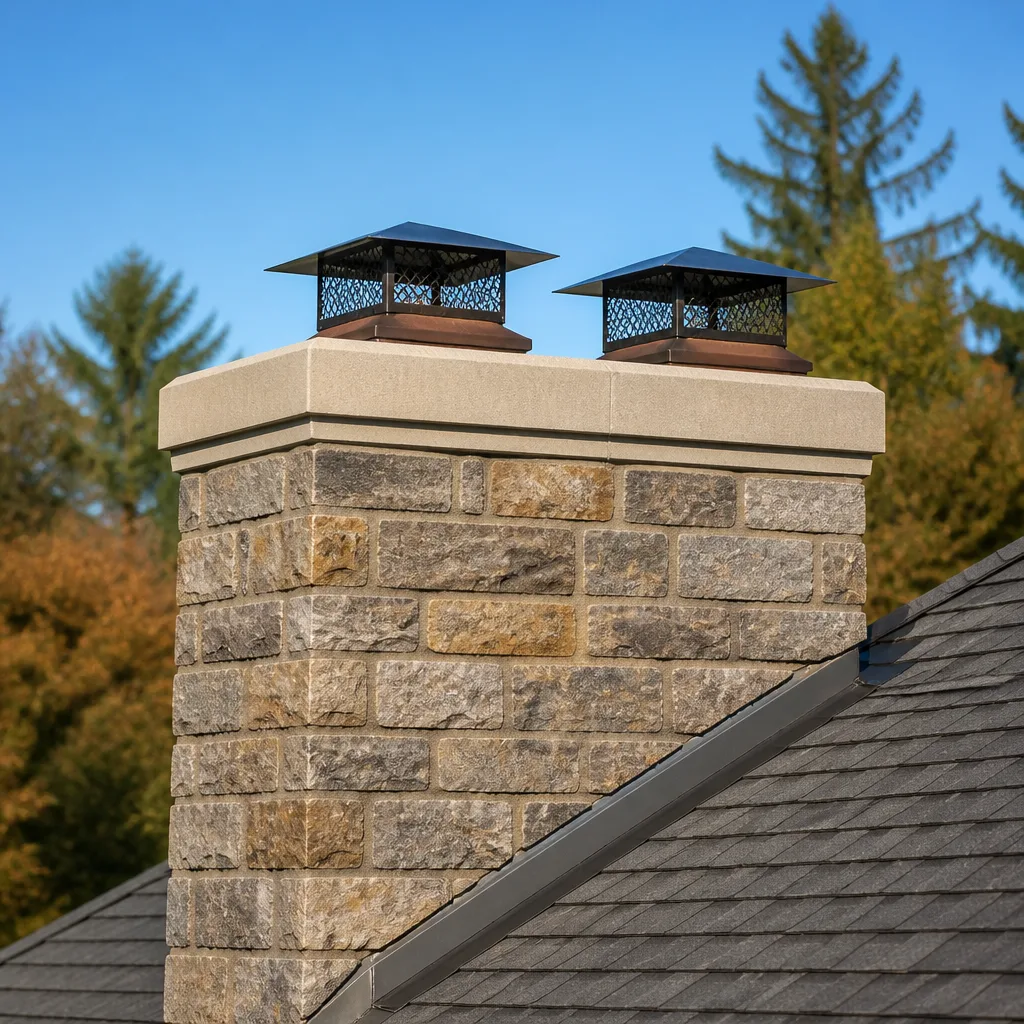 Caps & crowns
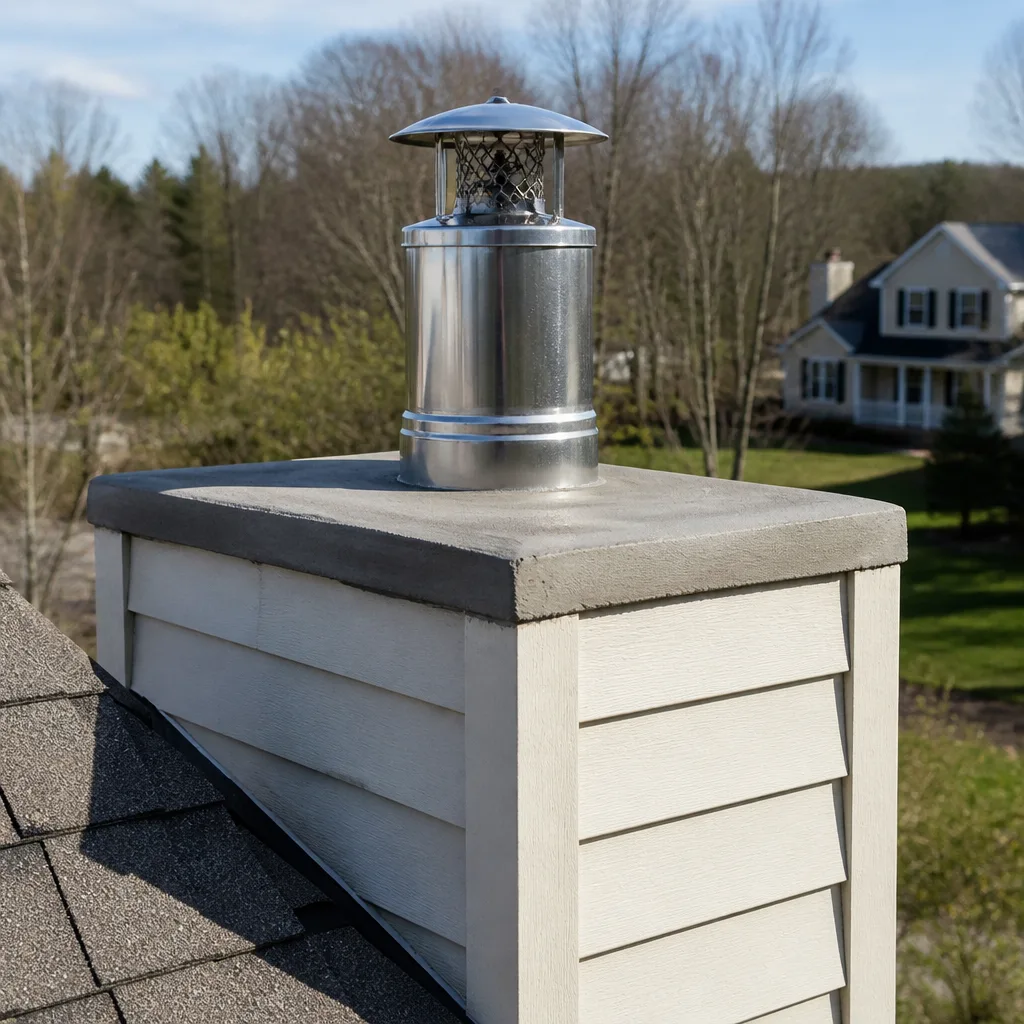 Flue relining
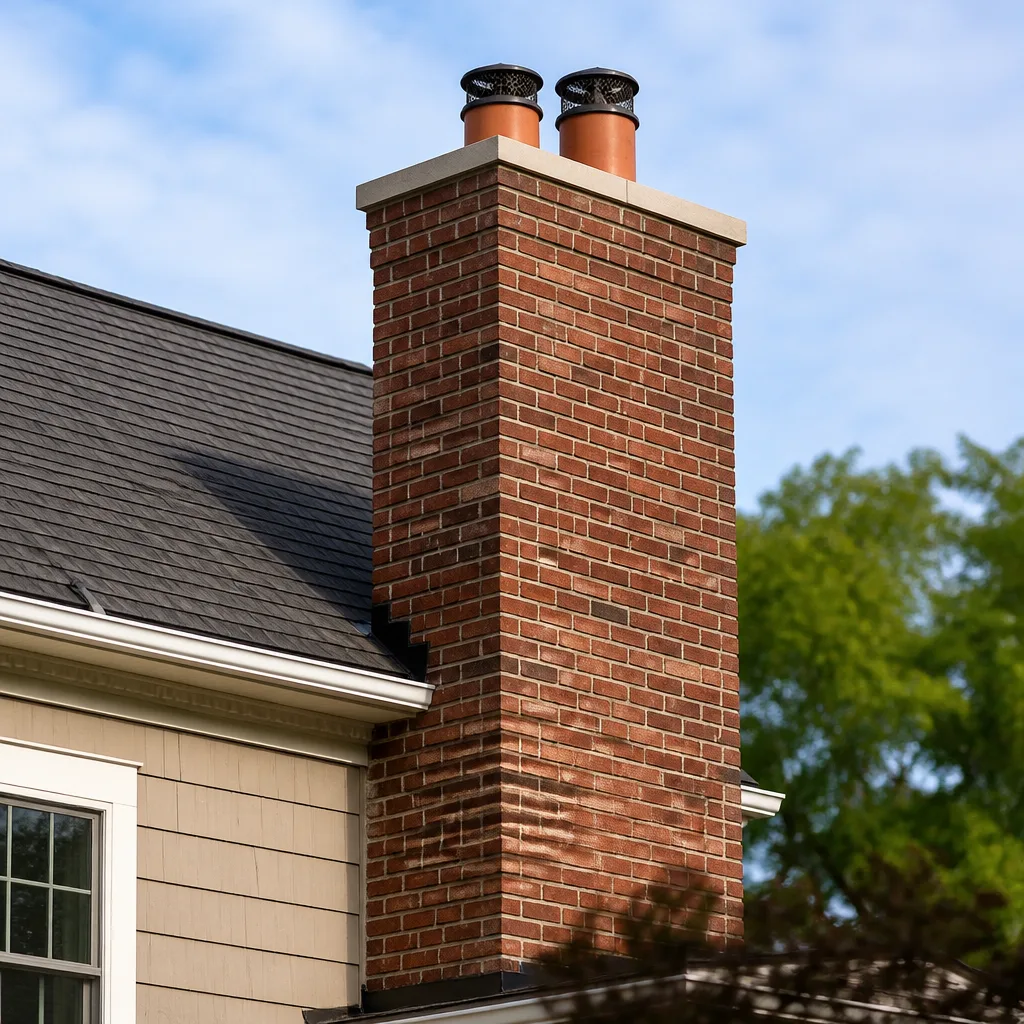 Masonry repair
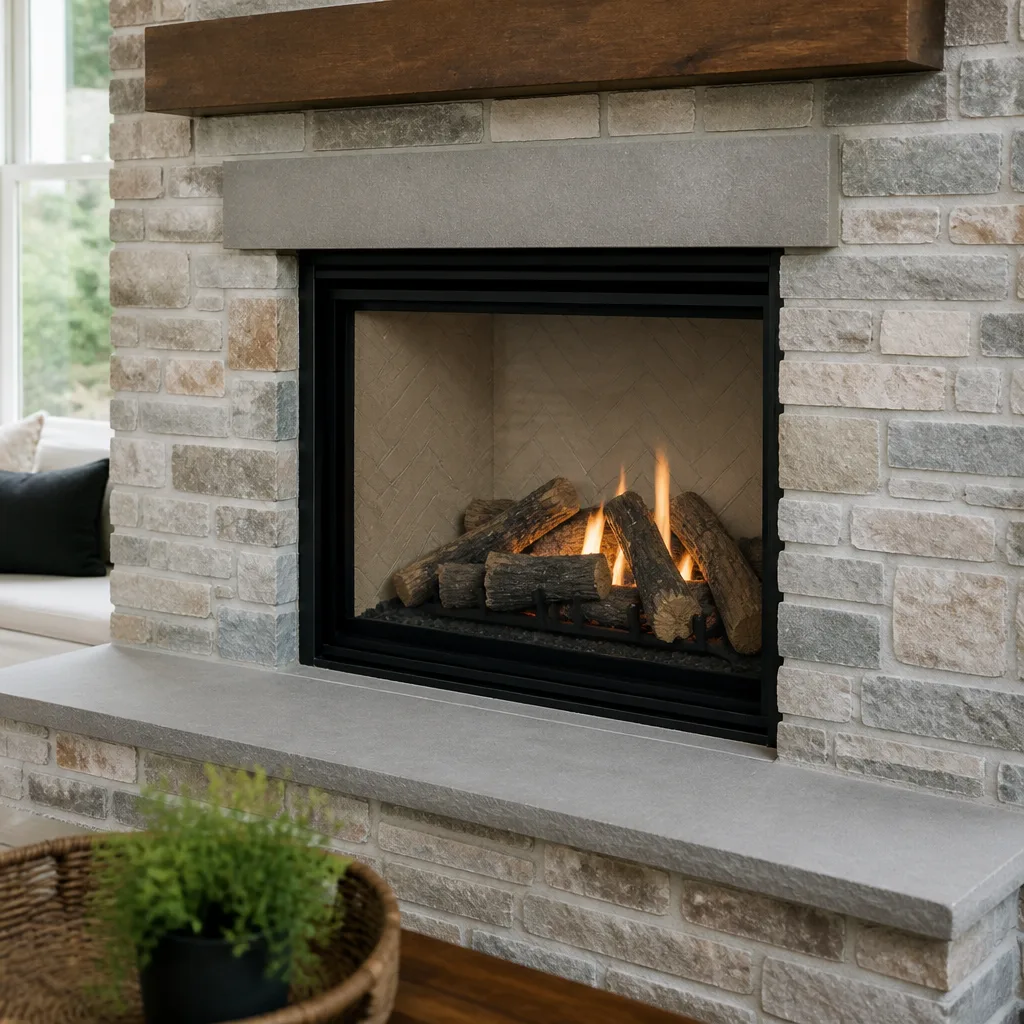 Gas fireplace service
Level 1 sweep and inspection to the NFPA 211 annual standard - flue, crown, cap, and flashing checked and photographed
Chimney sweep logs do not sweep chimneys. They loosen some creosote - which then falls where a brush and vacuum still have to collect it.
Chimney Cleaning Permits, Codes & Inspections in League City, TX: What You Need to Know
Here’s the part of chimney work that catches homeowners off guard: the job that felt routine when you paid for it can turn into a defect disclosure problem the day you sell your house. If the scope quietly crossed from cleaning into structural repair, relining, or venting changes, and nobody pulled a permit, that exposure sits with you, not with whoever did the work. Most people in League City have never thought about this until a buyer’s inspector asks a pointed question. This guide draws the line between work that never needs a permit and work that almost always does, explains what Texas code actually says about chimney systems, shows you how to check permit history on your own property, and spells out what a Level 2 inspection covers and why insurers and buyers keep asking for one.
Quick Answer
In League City, a routine chimney sweep almost never requires a permit. Permits are typically triggered when the work becomes structural or changes a system: full liner replacement, chimney rebuilds or major masonry repair, and changes to how a gas appliance is vented. Anything beyond cleaning should be confirmed with the City of League City’s building department before work starts, because the permit obligation usually rests on the homeowner even when a contractor handles the paperwork.
Styles & brands we work with
- Sweep & inspection
- Caps & crowns
- Flue relining
- Masonry repair
- Gas fireplace service
Table of Contents
- Which Texas codes actually govern chimney systems in League City?
- What chimney work always requires a permit in League City?
- What chimney work usually doesn’t need a permit?
- How do you check permit history on a chimney in League City?
- What does a Level 2 inspection cover, and why do insurers want it?
- Who’s responsible when a permit gets skipped?
- What happens at resale when chimney work was never permitted?
- How do you vet a chimney contractor before work begins?
Which Texas codes actually govern chimney systems in League City?
Chimney work in League City is governed by a layering of state and local rules rather than one single chapter of code. The International Residential Code (IRC), which Texas adopts by reference through its own building code framework, contains the core provisions for chimneys and vents. In the IRC, that’s Chapter 10 for chimneys and fireplaces and Chapter 24 for gas fuel-burning appliances and their venting. Texas also operates under the Texas Mechanical Code at the state level, and the mechanical code intersects with chimney work whenever a gas appliance’s flue or venting configuration changes, because venting is part of the mechanical system.
League City then adds the local enforcement layer. The city’s building department is the authority that issues permits, performs inspections, and signs off on completed work. That local layer is the one that matters most to a homeowner, because it determines what actually gets pulled, what gets inspected, and what gets recorded against your address.
What code is really doing at the chimney is basic physics and fire safety. It dictates clearance to combustibles, flue sizing relative to the appliance, the materials that may be used for liners and vents, and the termination heights above the roofline. A flue that’s undersized for the appliance it serves, or a liner installed with the wrong material, is a code violation and a safety problem at the same time. The codes aren’t red tape layered on top of the work; they’re the reason the work is safe.
One practical consequence of that layering: a contractor who tells you “code doesn’t require a permit for that” may be reading the state code and not the city’s local enforcement policy. The city’s building department settles the question. A quick call to them before a repair is scheduled is the cheapest insurance you’ll ever buy on a chimney project in League City.
What chimney work always requires a permit in League City?
The categories of chimney work that reliably trigger a permit are the ones that change the structure of the chimney or the venting system serving an appliance. Cleaning doesn’t change anything; it removes what built up. The work below does change the system, which is why it typically needs a permit pulled and an inspection performed before the job is closed out.
- Full liner replacement. Replacing the flue liner is a structural change to the chimney’s internal pathway. It affects clearance, material compatibility with the appliance, and the chimney’s ability to vent combustion gases safely. Most jurisdictions treat this as permitted work, and League City is no exception. The material matters here: a properly installed DuraFlex stainless liner or a HeatShield resurfacing of an existing clay liner behaves very differently from a generic drop-in product, and an inspector will look at what was actually used.
- Full rebuilds and major masonry repair. Tearing down and rebuilding a chimney above the roofline, replacing a crown, or repairing significant structural damage to the stack crosses from maintenance into construction. This is permitted work in essentially every jurisdiction, and it needs inspection at multiple stages, not just at the end.
- Gas appliance venting changes. When a water heater, furnace, or fireplace insert is replaced or relocated, the venting configuration often has to change. Because venting falls under the mechanical code, that change typically requires a mechanical permit. This is the category homeowners miss most often, because it feels like an appliance swap rather than chimney work.
- New chimney construction or a change in flue configuration. Adding a chimney, changing the number of flues, or altering how an appliance connects to the flue system all fall into permitted scope.
There’s a reason to care beyond the paperwork. Permitted work is inspected work, and inspection is the only independent check that the liner was installed to the correct spec, the clearances are right, and the venting actually serves the appliance it’s connected to. When work is unpermitted, that check simply never happens.
What chimney work usually doesn’t need a permit?
Routine maintenance is where most chimney work lives, and most of it doesn’t require a permit. Knowing which tasks fall on the maintenance side of the line saves you paperwork and confusion when a sweep recommends it.
- Routine sweeping and creosote removal. Cleaning the flue of soot and creosote is maintenance. It changes nothing about the system’s structure.
- A standard Level 1 or Level 2 inspection. The inspection itself is a diagnostic, not construction. No permit applies.
- Chimney cap and spark arrestor replacement on many system types. This is where “usually” becomes “sometimes.” A simple cap swap on a masonry chimney is often maintenance. But a cap replacement that involves modifying the crown, changing a prefabricated chimney’s termination, or altering the top of the stack can cross into permitted territory. Ask the building department about the specific scope before assuming it’s exempt.
- Minor mortar repointing of a small joint area. Cosmetic tuckpointing on a limited basis is generally maintenance. Repointing that becomes a larger masonry repair does not necessarily stay in that category.
- Dryer vent cleaning. Cleaning a dryer vent is maintenance and requires no permit. Nothing about the venting pathway changes. It’s worth saying plainly: dryer vents are the household fire risk most chimney-only companies never address, and cleaning is a maintenance task you can act on without any code concerns at all.
The line between maintenance and permitted work isn’t always obvious from a homeowner’s perspective, and that’s fine. What matters is that the person doing the work knows where the line falls and tells you before the job starts, not after.
How do you check permit history on a chimney in League City?
You can check the permit history on your chimney by contacting the City of League City’s building department and asking for the permit records tied to your address. In most cases the city can tell you whether permits have been issued for chimney or venting work on the property, when they were issued, and whether the associated inspections were completed and closed out. A permit that was issued but never finaled is its own kind of problem, so ask about both.
Galveston County holds related property records, and title work at the time of a sale will surface recorded permits and any liens tied to unpermitted work. Between the city’s building department records and what shows up in a title search, a homeowner can usually piece together the full picture of what was done and what was signed off.
Here’s the step-by-step way to go about it:
- Gather your property address and the approximate date of the work you’re checking on.
- Contact the City of League City building department and request permit history for the address.
- Ask specifically whether each permit was inspected and finaled, not just issued.
- If a chimney contractor performed work, ask them in writing for the permit number they pulled and the final inspection date.
- If records show no permit for work that clearly required one, get a qualified contractor to inspect the system and document its current condition.
If you’re buying a home in League City, do this before the option period closes, not after. It’s far easier to negotiate a repair or a credit than to unwind a sale over a chimney that was never signed off.
What does a Level 2 inspection cover, and why do insurers want it?
A Level 2 inspection is a thorough examination of the entire chimney system, including areas that a basic annual inspection can’t reach. It includes the accessible portions of the chimney, the flue, the firebox, the venting, and the connections to appliances, and it’s typically performed with a camera to see inside the flue where the eye can’t. The point is to find hidden defects: cracked flue tiles, dangerous clearances, improper liner installations, blockages, and deterioration that isn’t visible from the hearth.
Insurers and home buyers ask for Level 2 inspections for the same reason. Both are trying to price risk, and a chimney that looks fine from the living room can have a flue that’s failing inside. A Level 2 inspection produces a documented picture of the system’s actual condition, which is what an insurer needs to write a policy and what a buyer needs to decide whether to proceed.
Level 2 inspections also serve as a baseline for the future. Once you have a documented condition report, subsequent inspections can be compared against it, and the picture gets more useful over time. When a repair is needed, that same camera evidence shows why: a truly cracked flue tile isn’t a sales pitch, it’s an image. Nothing should be recommended on a chimney system without visual evidence a homeowner can see and understand for themselves.
In our experience, the vast majority of Level 2 inspections reveal something worth knowing about but not necessarily something worth fixing immediately. A small crack in a flue tile on a fireplace that’s used a few times a year may be worth monitoring rather than repairing right away. A failed liner on a chimney that vents a furnace is a different conversation. The inspection tells you which is which.
Who’s responsible when a permit gets skipped?
When a permit is skipped, the homeowner usually carries the legal exposure even though the contractor performed the work. That’s the part most people don’t realize until it’s too late. Building codes generally place the obligation to obtain permits on the property owner or the contractor authorized to act on the owner’s behalf, and the city can require that unpermitted work be corrected, inspected, or in some cases removed, regardless of who actually did the job.
There’s a common misconception that hiring a contractor means the permit is automatically their responsibility. In practice, it’s a shared obligation and the homeowner needs to confirm the permit was pulled. Contractors who avoid permits often do so to keep schedules short and costs down, and the homeowner is the one left holding a property with unpermitted work when an inspector, insurer, or buyer asks questions later.
Here’s how to protect yourself:
- Ask in writing, before work starts, whether the scope requires a permit and who will pull it.
- Get the permit number in writing and verify it against city records.
- Do not accept a final payment until the final inspection is listed as passed.
- Keep a copy of every permit, inspection report, and camera inspection image in your home records.
- If a contractor tells you a permit isn’t needed for something that clearly is, ask them to put that in writing. They won’t want to.
The best protection is a contractor who brings the permit question up before you do. That’s a signal you’re dealing with someone who plans to do the work to code, and it’s worth more than any verbal guarantee.
What happens at resale when chimney work was never permitted?
At resale, unpermitted chimney work most often surfaces as a defect disclosure problem. A buyer’s home inspector looks at the chimney, notes that it was recently rebuilt or relined, and asks for the permit. If none exists, the buyer’s agent treats it as an open question, which typically means a request for a repair credit or a demand that the work be brought up to code before closing. In the worst case, a lender can refuse to fund the loan until the issue is resolved.
What makes this worse than it needs to be is timing. Unpermitted work discovered before the sale can usually be corrected and inspected. Unpermitted work discovered during an option period can kill a deal or force a renegotiation. Unpermitted work the homeowner didn’t know about because it was done by a previous owner can become a messy conversation between two parties who both feel they were deceived.
The disclosure question also gets personal. Sellers in Texas are generally required to disclose known defects and known unpermitted work. If you’ve owned a home in League City and had chimney work done, it’s worth checking now whether a permit was pulled, not later when a buyer asks. A call to the building department is fast, and it’s far less painful than negotiating around a status you didn’t know you had. Homeowners we work with are often surprised to find that a chimney they assumed was fully permitted has no record at all. Finding that out before a buyer does gives you options.
How do you vet a chimney contractor before work begins?
Vetting a chimney contractor comes down to a handful of specific questions you can ask in a two-minute phone call. The answers tell you whether the person doing the work plans to do it to code or to get it done and get paid.
- Ask what brand of liner or material they intend to use, specifically. A professional names the product. A stainless liner from a recognized line such as Olympia Chimney or DuraFlex tells you the material is sourced from a professional supply chain, not from a hardware-store shelf. HeatShield is a specialized chimney liner resurfacing system, not a generic patch product, and a contractor who knows when to reach for it is telling you they understand the range of solutions beyond replacement.
- Ask for the permit plan in writing. Will they pull the permit, or will you? Who handles inspections? What happens if the inspector flags something? Get it documented.
- Ask whether they perform a camera inspection before recommending repair. A recommendation to reline or rebuild a chimney without camera evidence is a sales pitch, not a diagnosis.
- Ask what they do besides sweep. A company that only sweeps can’t diagnose structural problems, and a company that only repairs often can’t be trusted to be conservative about recommending repair. And a company that doesn’t address dryer vent cleaning is leaving a fire risk in the house unaddressed.
- Ask for a written estimate before work begins. The estimate should specify the scope, the materials, and the permit handling.
One call that covers chimney sweeping, chimney repair, and dryer vent cleaning means you’re not coordinating between three contractors who each have a partial view of the system. The chimney sweep finds the problem, the repair side fixes it, and the dryer vent gets looked at in the same visit. Our technicians have up to 15 years of experience with exactly this kind of work, and the brands we specify come from a professional supply chain: DuraFlex, HeatShield, Gelco, Olympia Chimney, Famco, and Copperfield are the names that show up when the job actually requires professional-grade materials.
Common Mistakes to Avoid
- Assuming the contractor automatically pulled the permit. In many cases they didn’t, and the obligation can land on you. Ask in writing before work starts, and verify the permit exists in city records.
- Treating a cap or crown replacement as always exempt. On many systems a simple swap is maintenance. When the work touches the structure of the termination or modifies a prefabricated chimney, it often crosses into permitted territory. Confirm with the building department rather than assuming.
- Relining a gas appliance without checking the venting permit. A water heater or furnace replacement in League City often includes a venting change that needs a mechanical permit. Homeowners miss this because the appliance swap feels like HVAC work, not chimney work.
- Buying a home in League City without checking the chimney permit history. Do this during the option period. A missing permit found after closing belongs to you to fix.
- Skipping the Level 2 inspection to save on the front end. Insurers and buyers will ask for it eventually, and the cost of doing it under time pressure at closing is far more than doing it on your own schedule.
- Accepting a repair recommendation without seeing camera evidence. A contractor who can’t show you the inside of your flue is asking you to trust an unverified recommendation. The images should be in your hands before you sign anything.
- Letting a dryer vent go unchecked while the chimney gets annual attention. The chimney and the dryer vent are both venting systems, and a company that services one but not the other is only telling you half the story about your home’s fire risk.
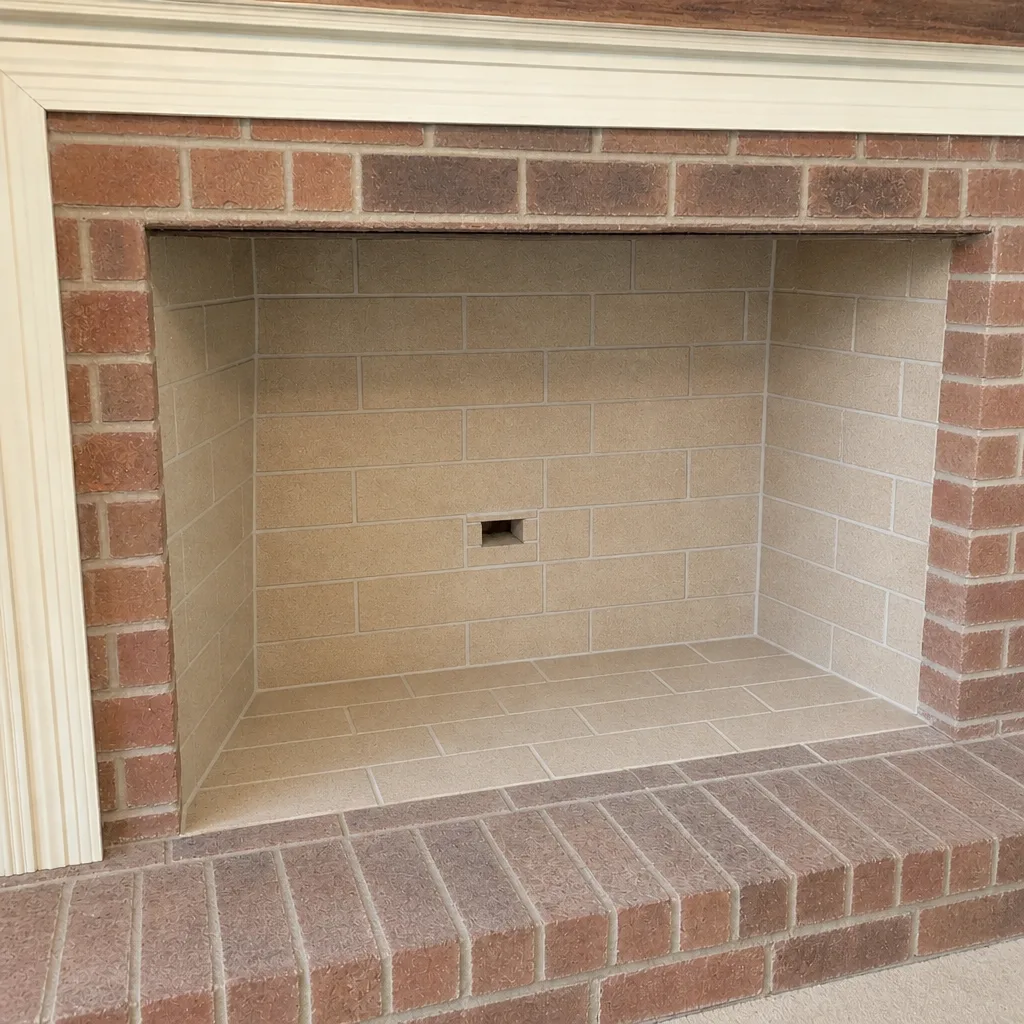
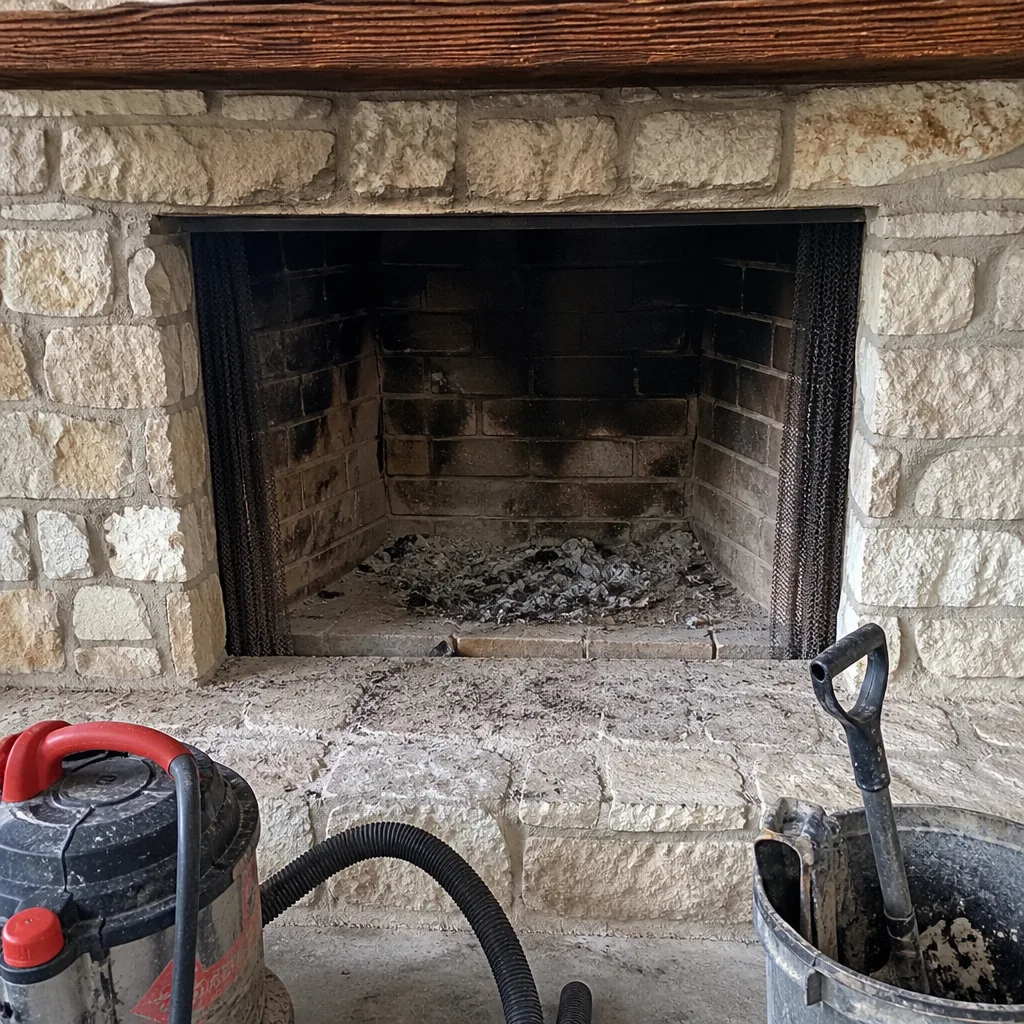
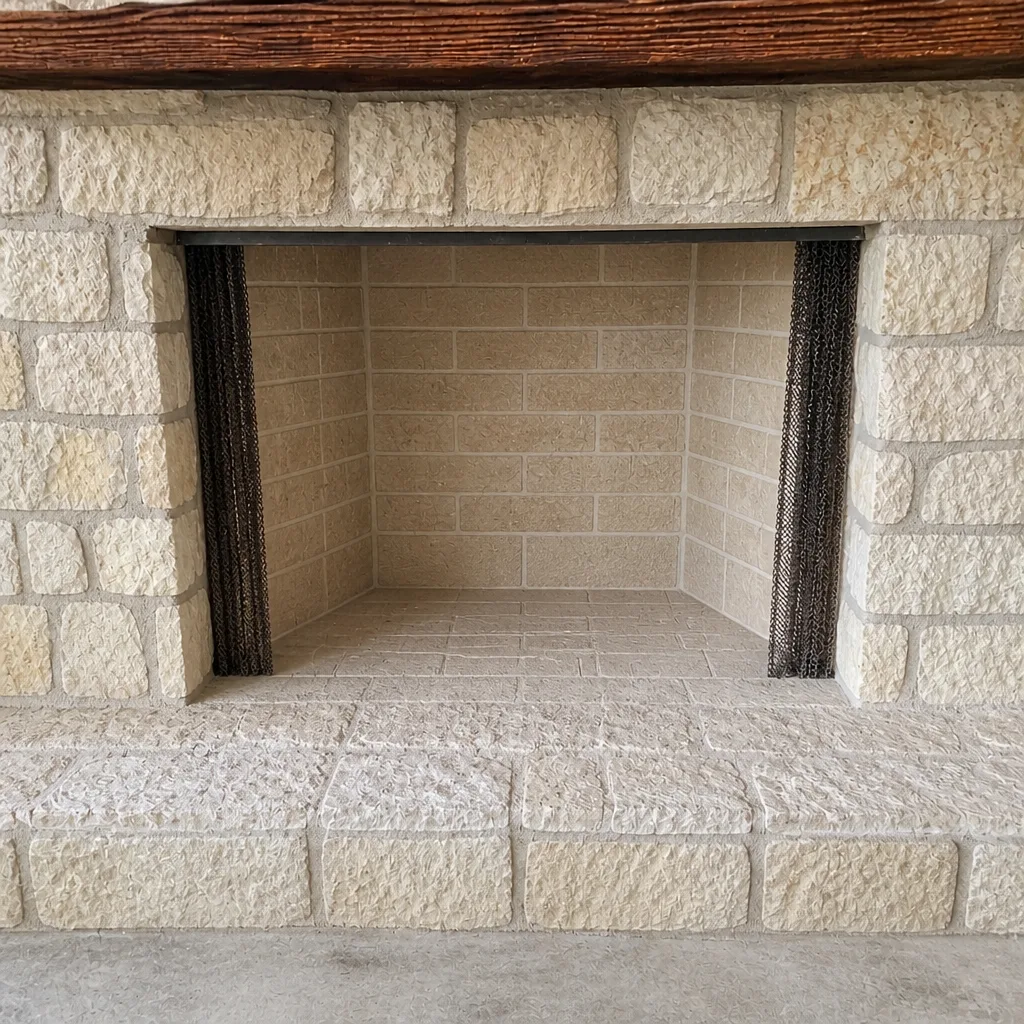
See the difference
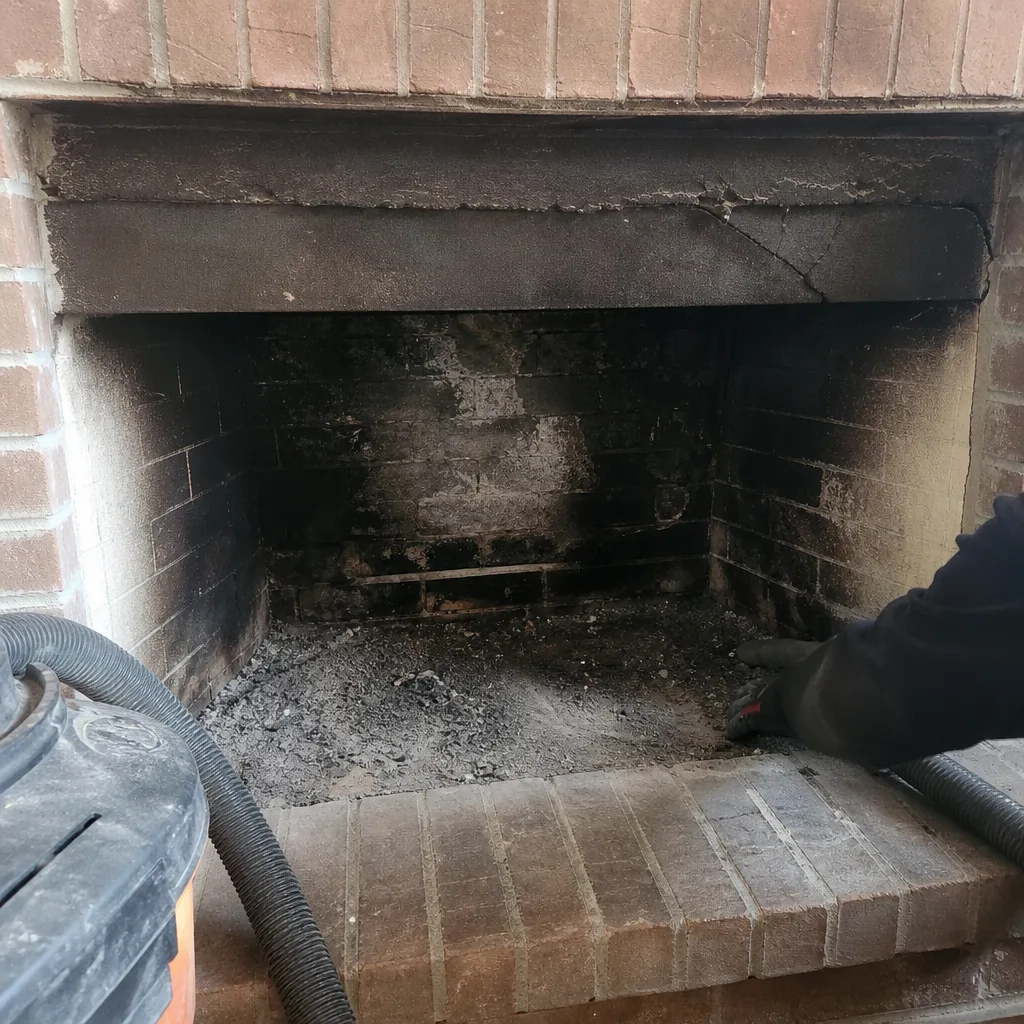 Before
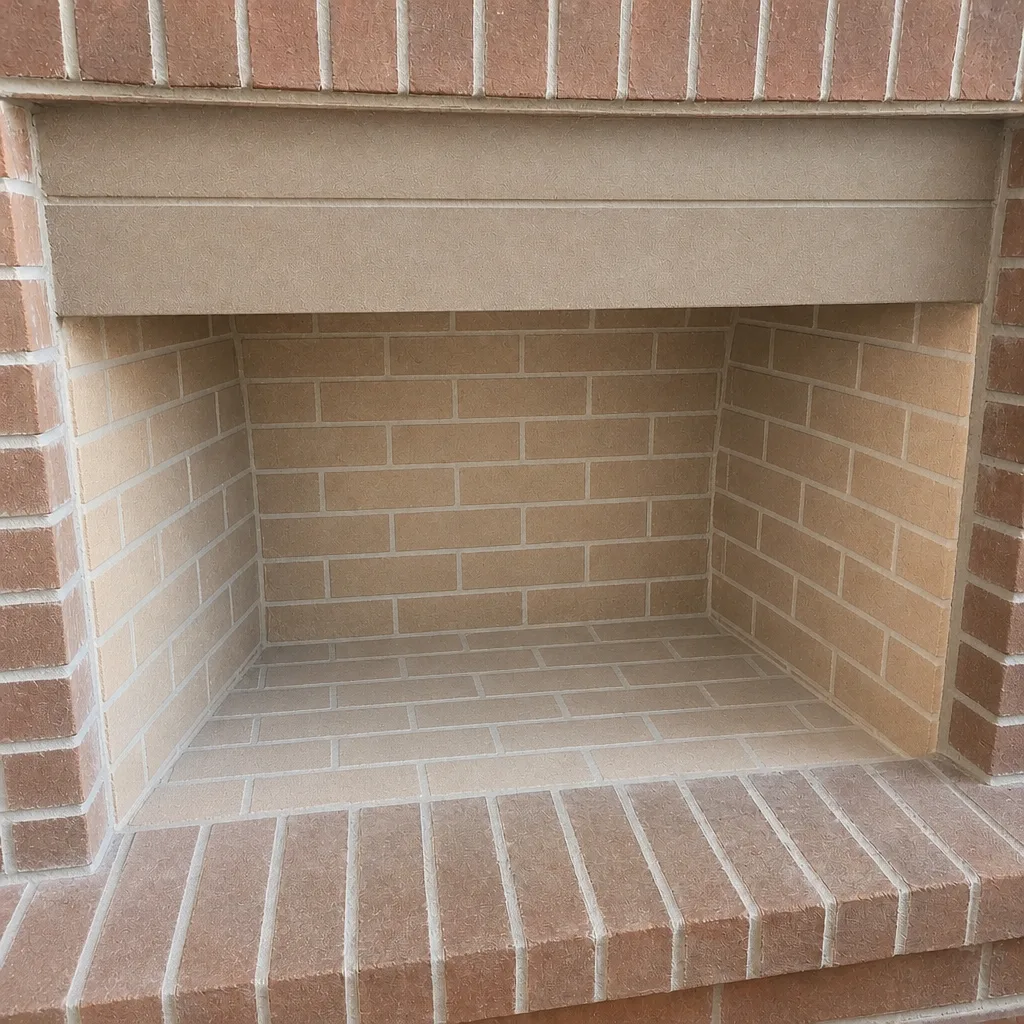 After
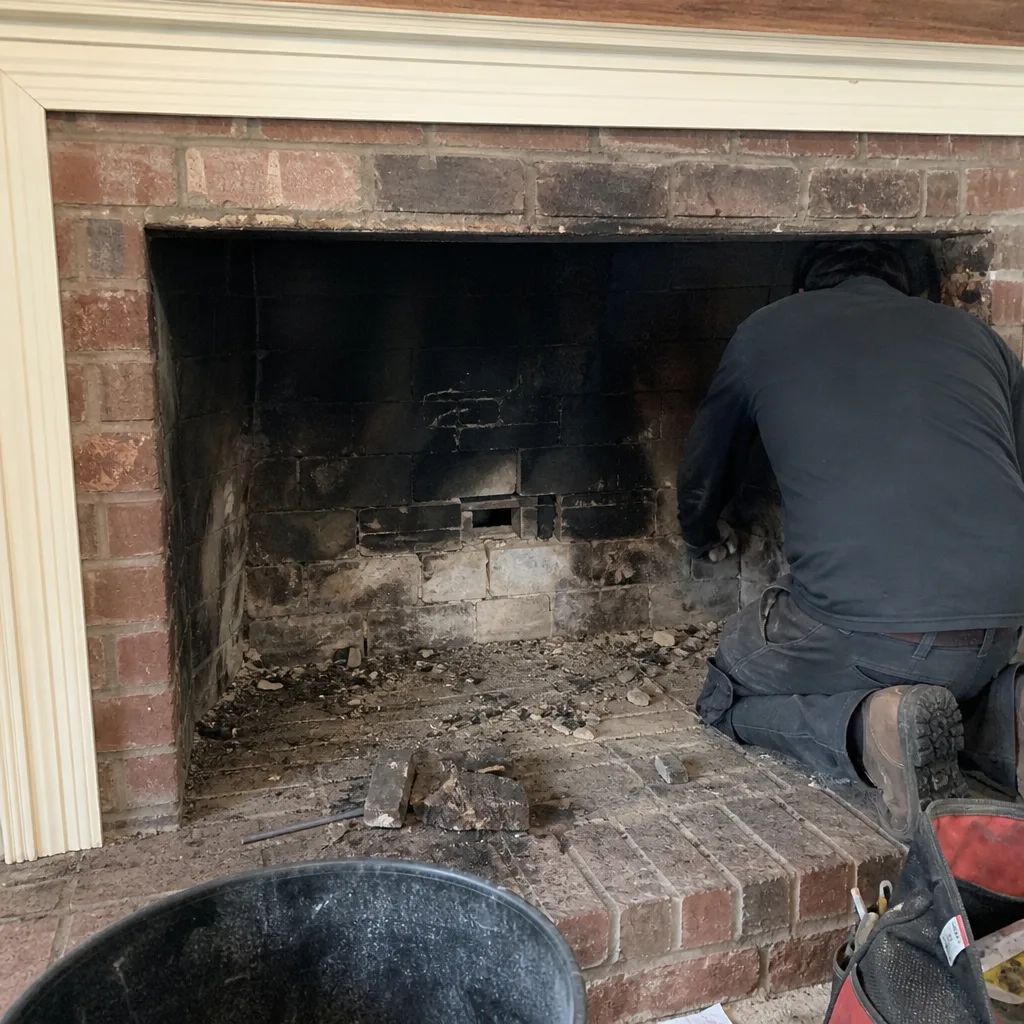 Before
 After
 Before
 After
When to Call a Professional
Call a professional chimney company when any of the following apply: you’re buying or selling a home and the buyer or insurer is asking for a Level 2 inspection; you’ve bought a home and don’t know when the chimney was last inspected; you’re planning a liner replacement, rebuild, or gas appliance replacement and want the permit and code question answered before work starts; your flue has visible damage and you need to know whether it should be repaired now or monitored; or you can’t remember the last time your dryer vent was cleaned. High-tension springs, structural masonry, and venting changes are not jobs for a homeowner with a ladder and a tutorial. If a job involves climbing on a roof, opening a wall, or changing how an appliance vents, that’s a call to a trained professional. League City Chimney Cleaning offers free estimates in League City. Call (866) 819-7336. We answer 24/7. Fast dispatch from 7am to 7pm, Sunday through Friday.
Frequently Asked Questions
No. A routine chimney sweep doesn’t require a permit in League City because cleaning doesn’t change the structure of the chimney or the venting system. A permit becomes necessary when the work crosses into structural repair, liner replacement, or a change to how a gas appliance vents. If you’re not sure which side of that line your job falls on, call the building department before the work is scheduled. For an exact scope on your system, call us at (866) 819-7336 and we’ll tell you what applies.
Yes, in nearly every case. A liner replacement is a structural change to the chimney’s internal pathway and affects both code compliance and fire safety, so it’s permitted and inspected work. The same applies to a HeatShield resurfacing of an existing clay liner, because it changes the flue’s internal surface. Ask the contractor for a permit number in writing before work starts, and don’t make the final payment until the inspection is closed out.
Contact the City of League City building department and request the permit history for your address. Ask specifically whether permits were issued, whether the associated inspections were performed, and whether each was finaled. Complement that with a title search during a sale. If you find records showing no permit for work that clearly required one, have the system inspected and documented by a qualified chimney contractor before deciding what to do.
Insurers want a Level 2 inspection because it’s the most accurate available picture of your chimney system’s actual condition, including the inside of the flue that can’t be seen from the hearth. It documents flue integrity, clearances, venting connections, and defects that could affect fire risk. A documented condition report helps an insurer price the policy and helps a buyer decide whether to proceed. It also gives you a baseline for future inspections, so the comparison over time gets more useful.
The issue most often shows up as a defect disclosure problem during the buyer’s inspection, which can lead to a repair credit request or a demand that the work be brought up to code before closing. In some cases a lender can refuse to fund until the issue is resolved. The best move is to check permit history before the sale, not after the buyer’s inspector finds it. Unpermitted work discovered early is usually correctable; unpermitted work discovered at closing can cost far more.
No. Dryer vent cleaning is maintenance, and no permit is required because nothing about the venting system changes. That said, dryer vents are a leading household fire risk, and a clogged vent can build up lint to a point where heat ignites it. Cleaning is one of the highest-value maintenance tasks a homeowner can do, and it pairs naturally with a chimney sweep. One call covers chimney and dryer vent cleaning, so a single visit checks both systems.
The Bottom Line
Routine chimney sweeps in League City don’t require a permit. Liner replacement, full rebuilds, gas appliance venting changes, and new chimney construction do, and a cap replacement can cross the line depending on the system. The permit obligation usually sits with the homeowner regardless of who pulls it, which is why a written permit plan before work starts is non-negotiable. Verify permit history through the City of League City building department before you buy or sell a home. Insist on camera evidence before accepting any repair recommendation. And treat the dryer vent as part of the same conversation as the chimney, because both are venting systems and both matter.
If you’re not sure where your chimney system stands, getting a clear picture is the first step. Nothing gets recommended without camera evidence you can see, and we’ll tell you plainly when work can safely wait. Whether you’re in League City and preparing for a sale, buying a home, or just trying to understand the condition of the chimney above your living room, League City Chimney Cleaning is the place to start. If you need chimney repair or a dryer vent cleaned in League City, call (866) 819-7336 for a free estimate. We answer 24/7. Fast dispatch from 7am to 7pm, Sunday through Friday.
Written by the team at League City Chimney Cleaning.