
Last updated November 15, 2026
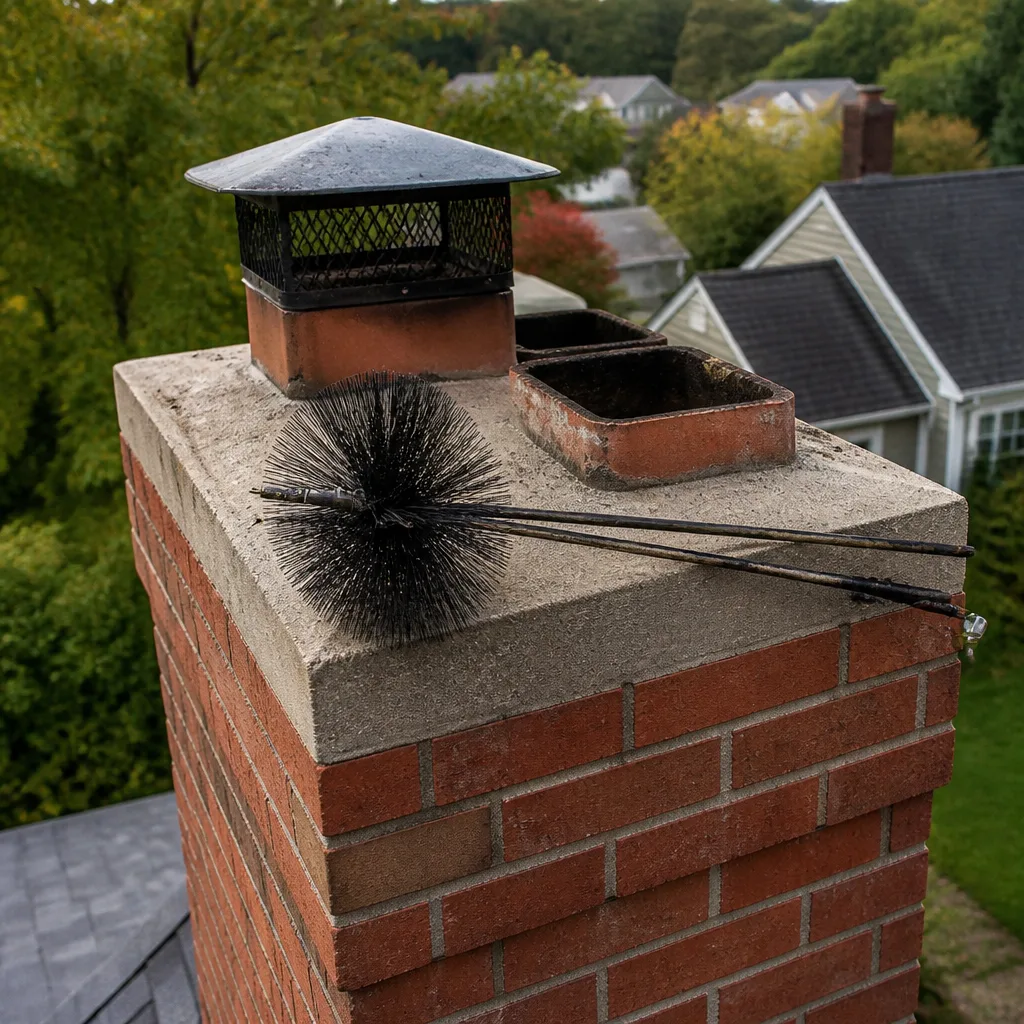 Sweep & inspection
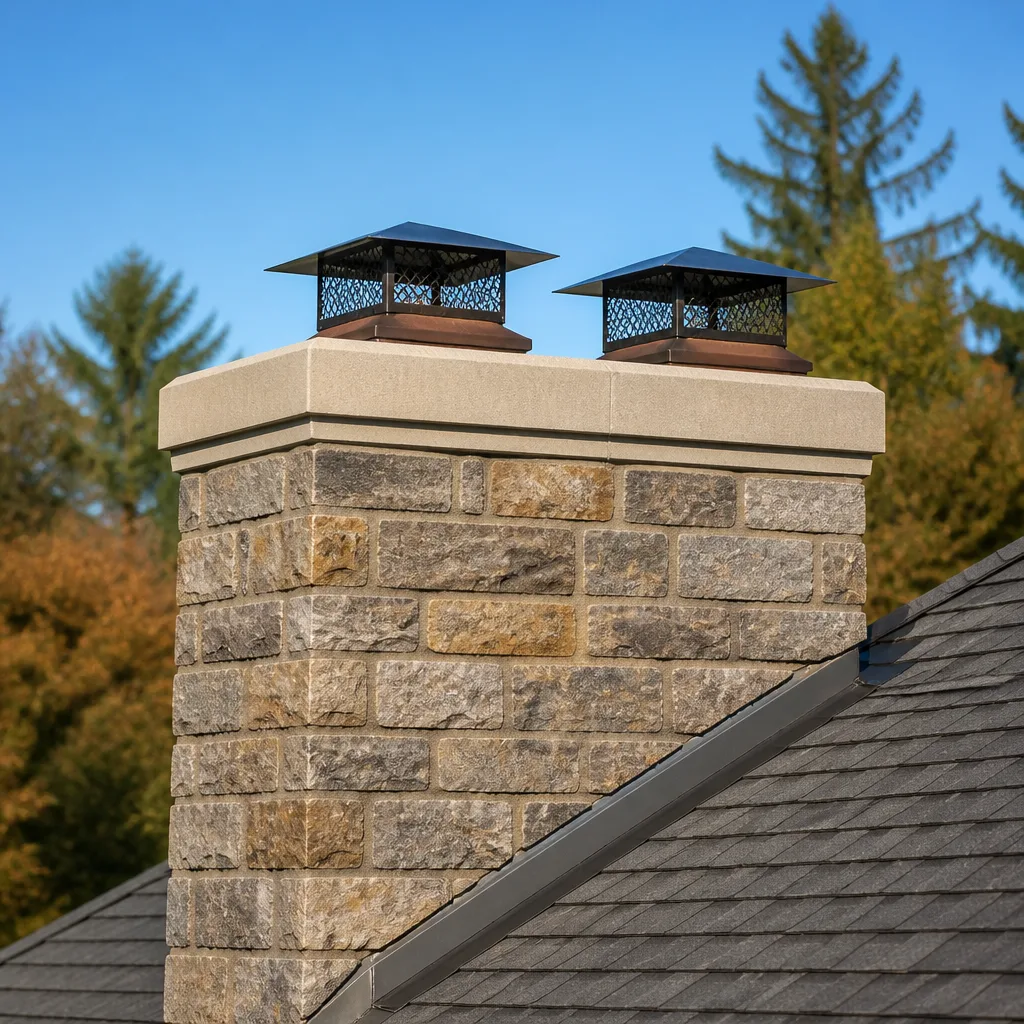 Caps & crowns
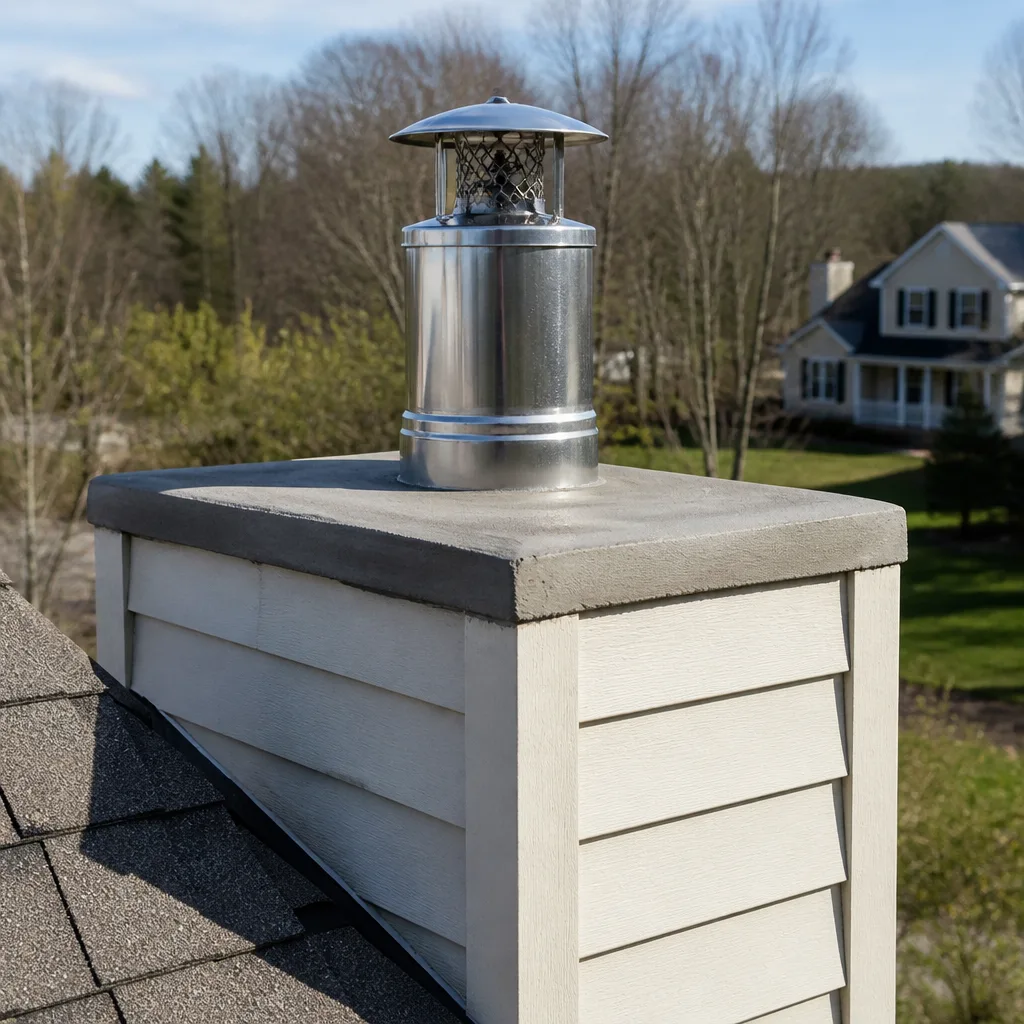 Flue relining
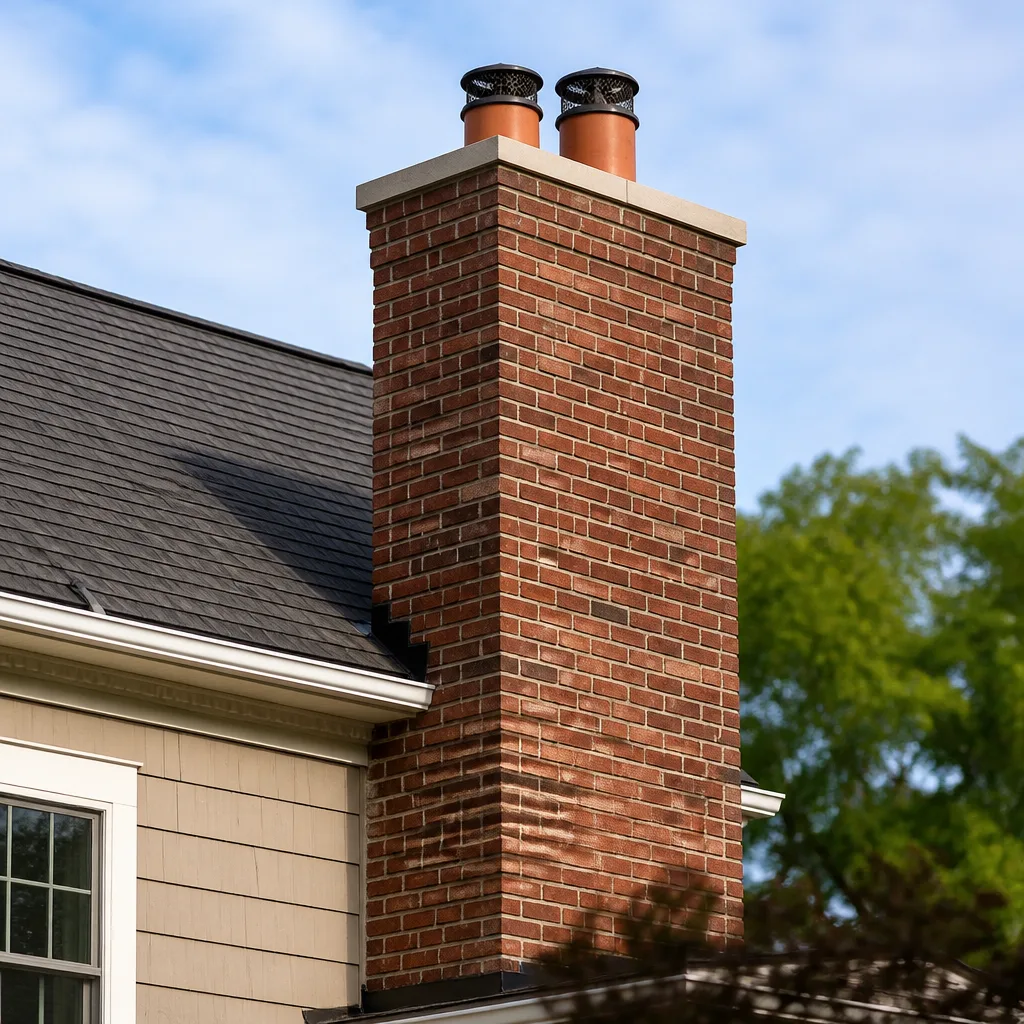 Masonry repair
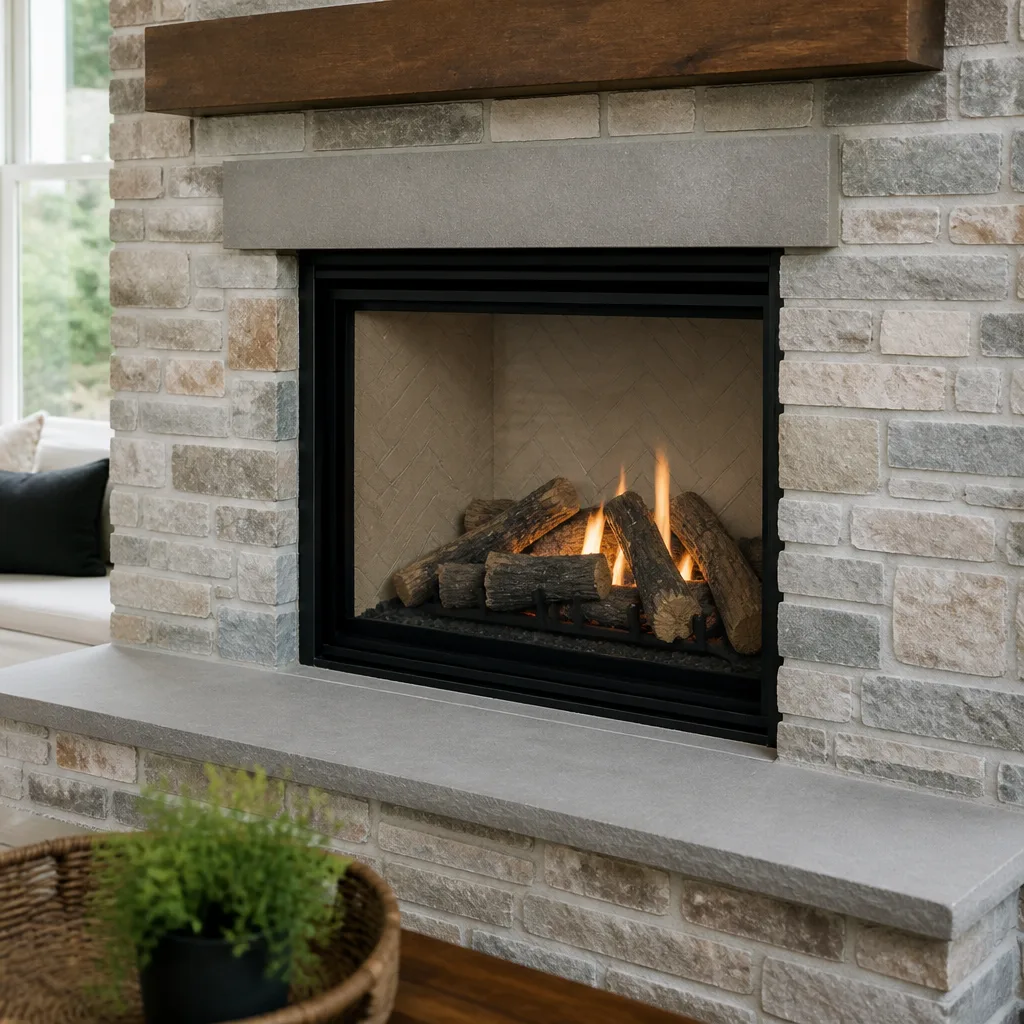 Gas fireplace service
Level 1 sweep and inspection to the NFPA 211 annual standard - flue, crown, cap, and flashing checked and photographed
Chimney sweep logs do not sweep chimneys. They loosen some creosote - which then falls where a brush and vacuum still have to collect it.
Chimney Sweep Maintenance Checklist for League City Homeowners
Most chimney maintenance advice floating around online was written for a house in Vermont burning four cords of hardwood from October to April. If you follow that checklist in League City, you’ll spend your time on the wrong things and skip the checks that actually matter here. Our winters are mild, our summers are long and humid, and plenty of homes run a gas log set or a fireplace that gets lit a dozen times a year. The failure points are different. This guide lays out a full maintenance checklist built around how chimneys actually age in League City: what to check before the season, what you can handle yourself, what needs a professional with a camera, and how to track condition year over year so small wear doesn’t turn into structural repair.
Quick Answer
A chimney maintenance checklist for a League City home should cover four seasonal passes: a pre-season inspection of the cap, screen, and mortar; a mid-season check of the flue and draft while you’re actually burning; a post-season cleaning and moisture inspection before the humid summer sets in; and a yearly record of condition so you can spot gradual deterioration. Wood-burning and gas fireplace chimneys need different checklists, and both need a professional camera inspection at least once a year.
Styles & brands we work with
- Sweep & inspection
- Caps & crowns
- Flue relining
- Masonry repair
- Gas fireplace service
Table of Contents
- Why a League City Chimney Checklist Looks Different
- The Pre-Season Checklist: Cap, Screen, and Mortar
- Mid-Season Checks: What You Can Do vs. What Needs a Pro
- Post-Season Steps: Protecting the Chimney Through a Humid Summer
- Wood-Burning vs. Gas Fireplace Chimneys: Two Different Checklists
- Documenting Condition Year Over Year
- When to Call a Professional
- Frequently Asked Questions
Why a League City Chimney Checklist Looks Different
League City sits in a warm, humid climate, and that changes the enemies your chimney faces. In a cold climate, the main threat is creosote from heavy, constant burning. Here, the bigger threats are moisture and pests. A chimney that sits idle for eight humid months pulls damp air into the flue and masonry. Add a missing or damaged cap and you’ve given birds, squirrels, and wasps an open door into a warm, dry cavity.
The other thing that’s different is how often people burn. Many League City homes have a fireplace that gets used for a handful of cool evenings and a holiday gathering or two. That’s a real safety issue in its own right. A chimney that burns once a year still builds up a thin layer of creosote, and that layer still sits there between burns, absorbing moisture and slowly glazing. And a gas log set that runs for short stretches creates its own deposits.
What’s the practical takeaway? Your checklist has to prioritize moisture control, cap and screen integrity, and pest exclusion, and it has to treat every chimney as a year-round system, not just a winter appliance. That’s the logic behind everything below.
The Pre-Season Checklist: Cap, Screen, and Mortar
Do this pass in the weeks before you start lighting fires. The goal is to catch anything that happened during the off-season, when the chimney sat unused and exposed to summer humidity. Here’s what to check:
- Cap integrity. Look at the cap from the ground with binoculars. Is it sitting flat and secure, or has it tilted or come loose? A loose cap lets water straight into the flue and gives animals an entry point. If yours is missing, that’s a fix before the first fire, not after.
- Spark screen condition. The screen is usually the first thing to fail, and rusted or torn screen invites birds and debris. Check for gaps, sagging, and rust-through. A screen with a hole in it isn’t stopping anything.
- Mortar joints. Where you can see exposed masonry, look for crumbling, sandy, or recessed mortar. In our humidity, mortar absorbs moisture and slowly weakens. Soft or missing mortar is a repair signal, not a cosmetic one.
- Crown cracks. The concrete crown at the top of the chimney sheds water. Hairline cracks seem harmless but open up over time. If the crown is cracked or flaking, water is getting into the chimney structure.
- Flashing and roof seal. Where the chimney meets the roof, check for gaps, curling sealant, or rusted flashing. This is one of the most common leak sources on League City roofs and it’s easy to miss from inside.
- Damper operation. Open and close the damper fully. It should move smoothly and seat cleanly. A damper that’s stuck open or won’t seal means heat loss, moisture, and pest access.
If you find a damaged cap, torn screen, or soft mortar, get it fixed before you burn. These aren’t jobs where “temporary” holds up well in this climate.
Mid-Season Checks: What You Can Do vs. What Needs a Pro
Once you’re using the fireplace, run a check every few weeks during the burn season. Some of this you can do safely yourself, and some of it you genuinely shouldn’t touch. Here’s the split.
What you can do yourself
- Watch the draft. A fire that smokes into the room, burns sluggishly, or smells strongly of smoke is telling you something is restricting the flue.
- Look for soot on the firebox walls. Heavy soot on the walls and damper area signals incomplete burning or restricted draft.
- Check the ash level. Keep the ash bed low; excessive ash crowds the firebox and can hide debris.
- Smell test. A strong smoky smell in the room even when the fireplace isn’t burning often points to a blocked flue or a draft problem.
- Check for water stains. Look at the ceiling and walls near the chimney for stains or discoloration after heavy rain. That’s moisture getting in.
What needs a professional
- Interior flue inspection. A visual check from inside the firebox tells you almost nothing about the state of the flue higher up. That requires a camera.
- Creosote assessment. Creosote buildup levels, especially glazed creosote, can’t be judged accurately without seeing the full flue.
- Liner condition. Cracks, gaps, and deterioration in the liner are hard to see from below. A camera inspection is the only reliable way to catch them.
- Structural damage. Cracked flue tiles, deteriorated mortar joints inside the chimney, and damage behind the firebox walls all require professional diagnosis. Some of it can be restored with a resurfacing system like HeatShield rather than torn out, but that’s a call a specialist has to make after actually looking.
Here’s the honest caveat: don’t go up on the roof to inspect the cap and crown yourself. Rooftop work is a fall hazard, and the numbers on ladder and roof falls are serious. Check what you can safely see from the ground with binoculars and leave the roof to a trained technician. That’s not a sales pitch. It’s the right way to do it safely.
Post-Season Steps: Protecting the Chimney Through a Humid Summer
This is the step almost everyone skips, and it’s the one that matters most in a League City summer. Once you stop using the fireplace, the chimney becomes a dormant, open shaft exposed to months of humidity. What you do now determines how much damage accumulates before next fall.
- Get a full sweep after your last fires of the season. Creosote and soot left sitting all summer absorb moisture and turn corrosive. A clean flue dries out faster and stays healthier. If you want to book that sweep, our chimney sweep service covers the full system, not just the firebox.
- Seal the damper. Close the damper fully during the off-season to block humid air from rising up the flue.
- Inspect for moisture staining again. After the first few heavy summer rains, check the ceiling and upper walls near the chimney. New staining means a leak you didn’t catch before.
- Check the cap and screen again. Summer storms and wind can shift a cap or tear a screen. If it was borderline in the fall, fix it now.
- Watch for pests. Birds, squirrels, and wasps love an uncapped chimney in summer. If you hear scratching or see birds on the cap, that’s a call.
- Address small masonry issues before the rainy season. Soft mortar and cracked crowns don’t get better sitting through a wet summer. They get worse. Fixing a crown now is far cheaper than rebuilding the top of the chimney later.
Dryer vents deserve the same off-season look. A dryer vent cleaning check before summer removes accumulated lint and keeps a leading cause of household fires out of your vent system. Homeowners who’d never skip the chimney sometimes go years without looking at the dryer vent, and that’s a gap worth closing in the same appointment.
Wood-Burning vs. Gas Fireplace Chimneys: Two Different Checklists
Here’s a mistake we see often: treating a gas fireplace chimney the same as a wood-burning one. They’re different systems, and a checklist built for one will miss problems in the other.
Wood-burning chimney checklist
- Creosote inspection is the top priority. Creosote buildup, especially glazed creosote, is the main driver of chimney fires. Visual inspection from the firebox isn’t enough; this needs a camera inspection of the full flue.
- Flue tile cracks need to be checked. Cracked tiles let heat and gases escape into the chimney structure.
- Liner condition and fit. The liner needs to run the full length of the flue with no gaps at the top or bottom. A metal liner like DuraFlex is common in retrofit and repair work because it gives a clean, continuous path for smoke and heat.
- Damper seal must be checked, since a wood fire depends on controlled draft.
- Firebox and grate condition. Cracked firebox walls are a real repair issue, not just cosmetic.
- Cap and spark screen. Same checks as above, but with wood burning, the screen also keeps embers contained.
Gas fireplace chimney checklist
- Venting and draft. Gas appliances vent differently from wood, and the vent path has to be clear and correctly sized. Draft problems show up as a lingering smell, pilot issues, or a fire that won’t stay steady.
- Carbon monoxide risk. A gas appliance that isn’t venting properly is a real carbon monoxide concern. Carbon monoxide has no smell and no color, so a working CO alarm on every level of the home is a must. Don’t run a gas fireplace if the CO alarm sounds, and don’t run it if you suspect a venting problem. Get it looked at.
- Vent terminal condition. Check the outside termination for debris, bird nests, or damage. A blocked gas vent is a genuine safety issue.
- Liner and venting components. Where a gas appliance uses a liner or vent system, the parts need to be correct for gas service. Gelco and Olympia Chimney components are the kind of professional-grade parts a specialist chooses because the job requires them, not whatever’s on a hardware store shelf.
- Log set condition. Cracked or damaged gas logs can affect burn quality and should be checked.
- Annual professional inspection. Gas chimneys still need an annual professional look. They build up less creosote, but the failure modes (venting, CO, component wear) are different and just as important.
If you’re not sure which checklist applies to your setup, that’s the point of a professional inspection: the technician can tell you exactly what system you have and what it needs.
Documenting Condition Year Over Year
Every chimney ages gradually. The problem is that gradual change is nearly invisible on a single visit. The mortar that looks “fine” this year was tighter two years ago. The liner that seems intact now is a step further along than it was. You only catch the trend if you record what you see.
Here’s how to document properly:
- Keep a dated folder. Every inspection report, camera photo, and repair record goes in one place. Paper or a phone album both work. The point is a single timeline.
- Record the camera photos. Ask for photos of the flue at the top, middle, and bottom. Those are your baseline. Next year’s photos are compared against them.
- Note mortar and crown condition. Write a short description each year: “crown has hairline crack on north side” or “mortar soft at top two courses.” Vague memory is the enemy here.
- Record any repairs done. What was fixed, and with what material. If a liner section was replaced, note the brand and location.
- Watch the trend, not the snapshot. A single hairline crack is minor. A crack that’s wider each year is a repair signal. A mortar joint that’s gradually receding is a sign the chimney needs attention before it becomes structural.
This is where a specialist makes a real difference. We include camera inspection and photo documentation in our chimney work so you have evidence to compare year to year, and so you can see what we’re seeing. In our experience, the homeowners who avoid big repair bills are the ones who track gradual change, not the ones who wait until something fails.
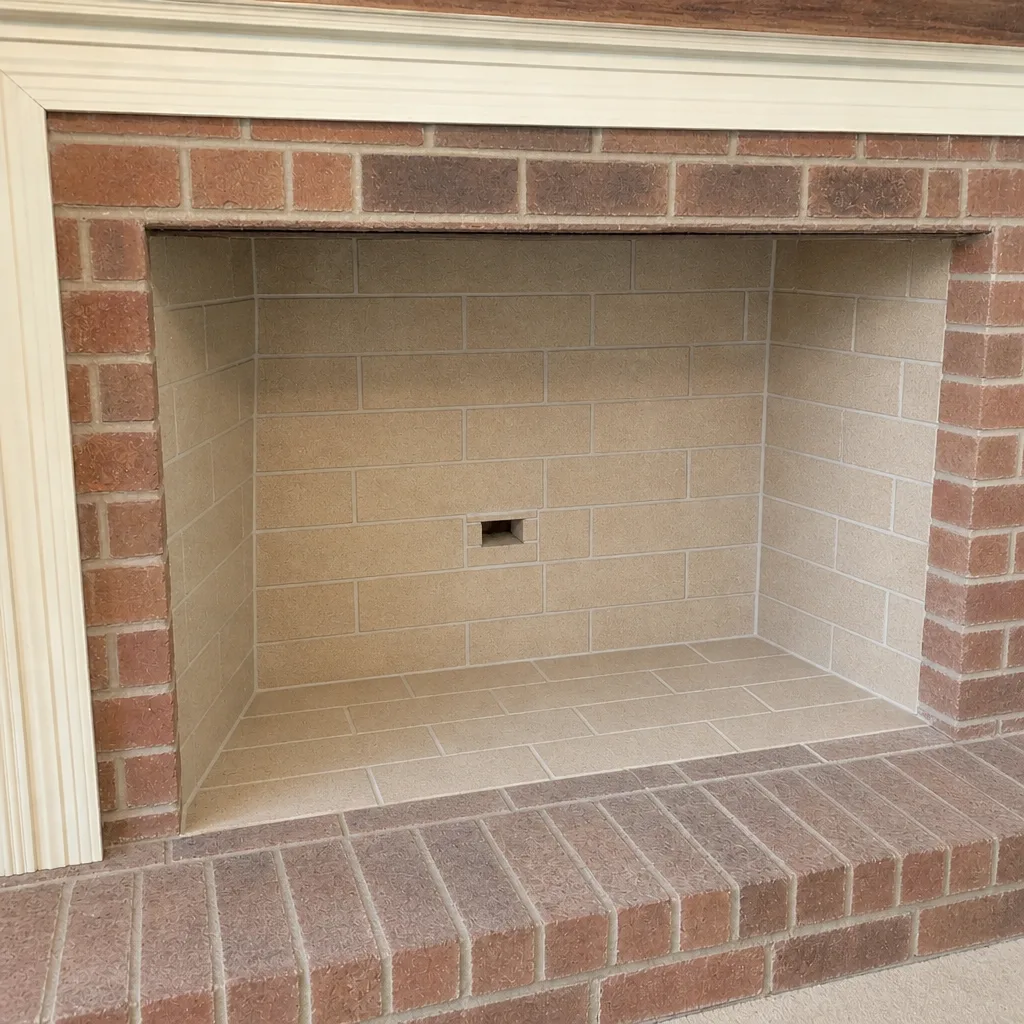
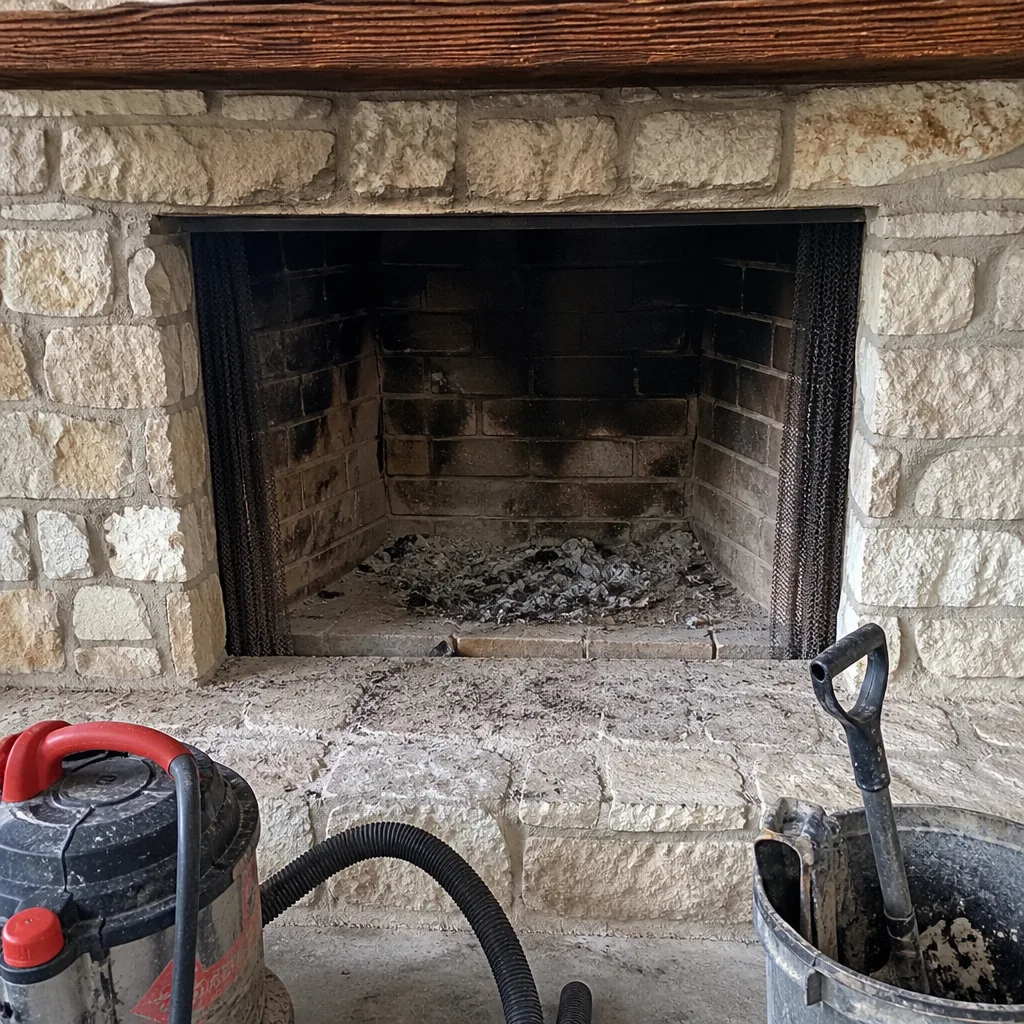
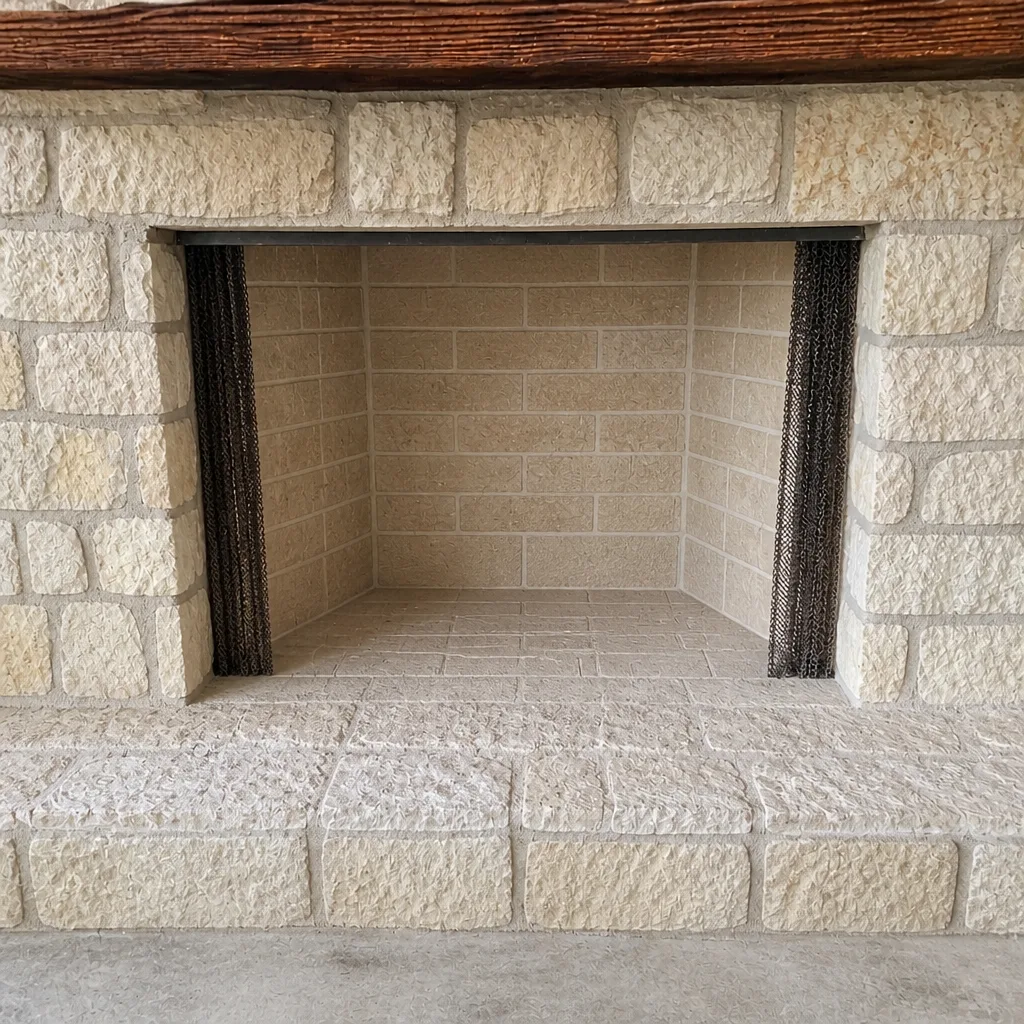
See the difference
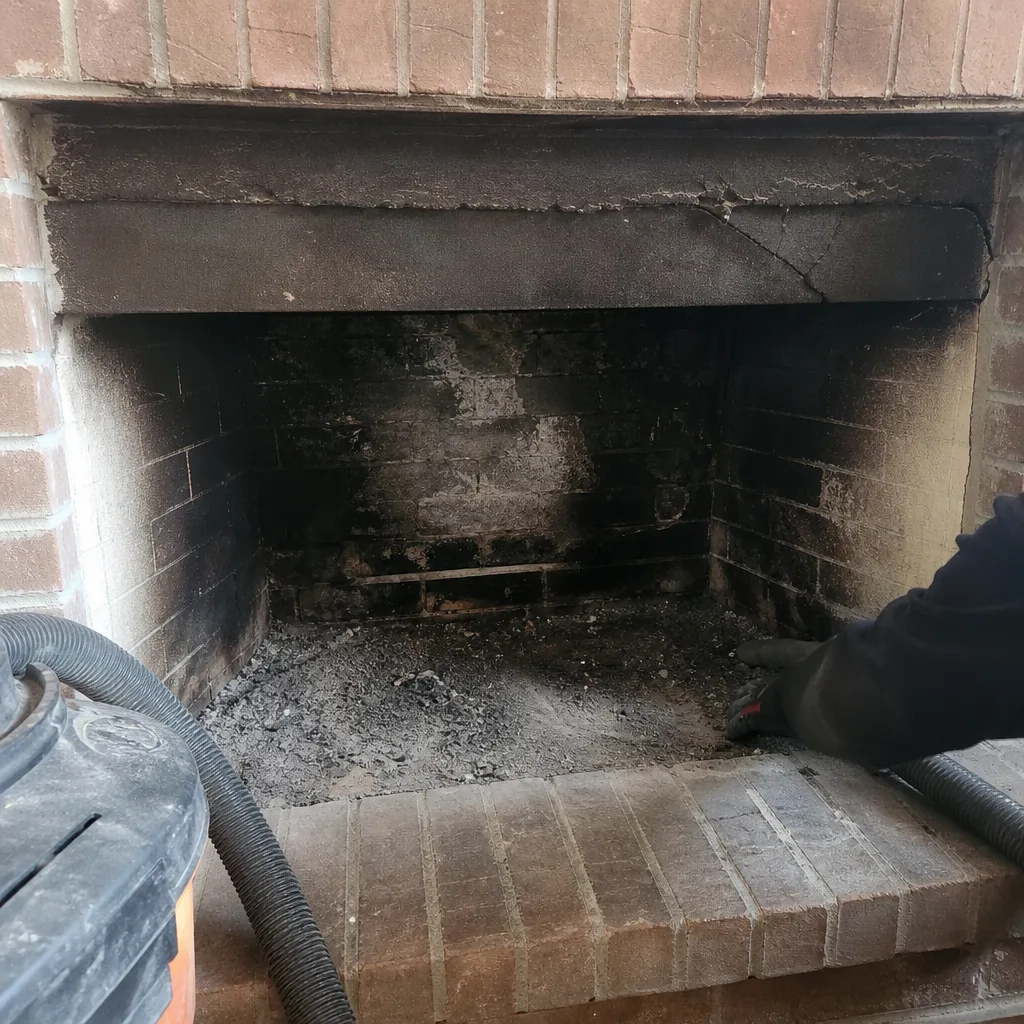 Before
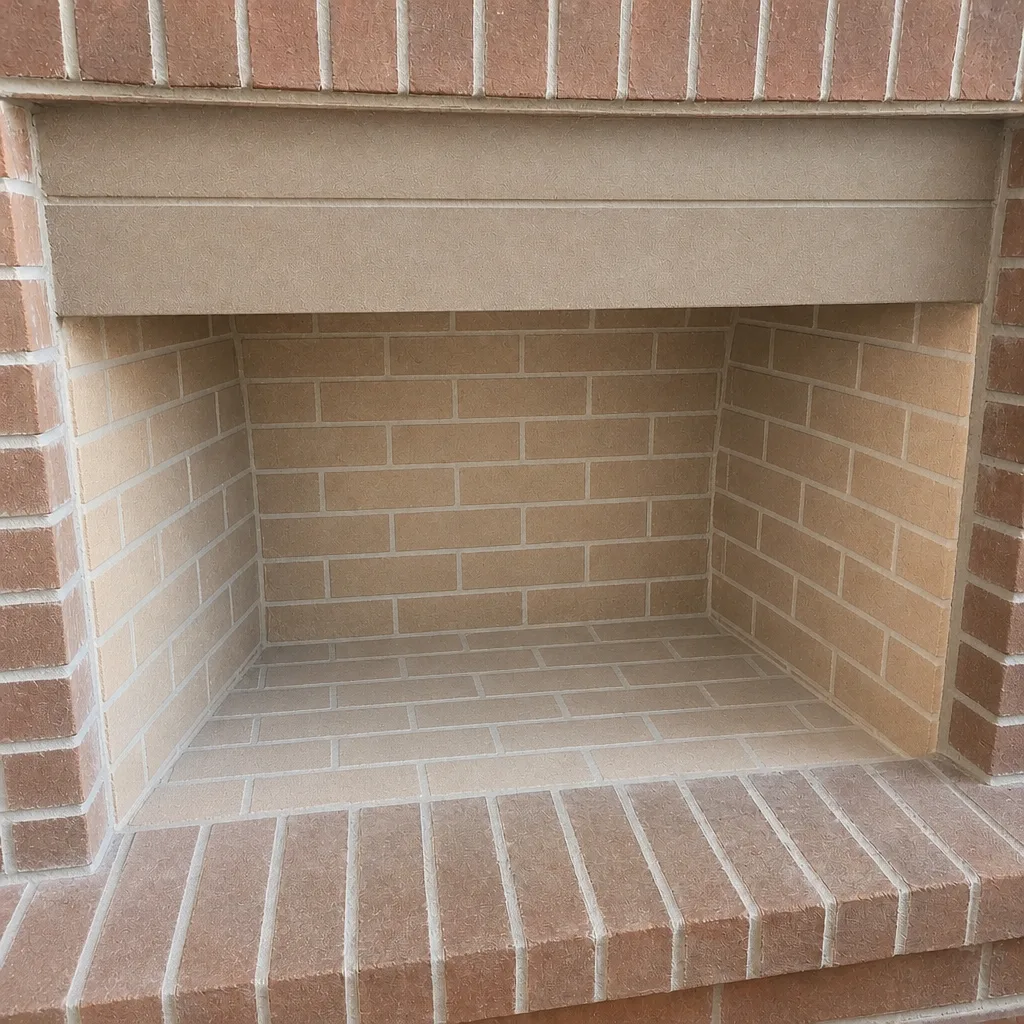 After
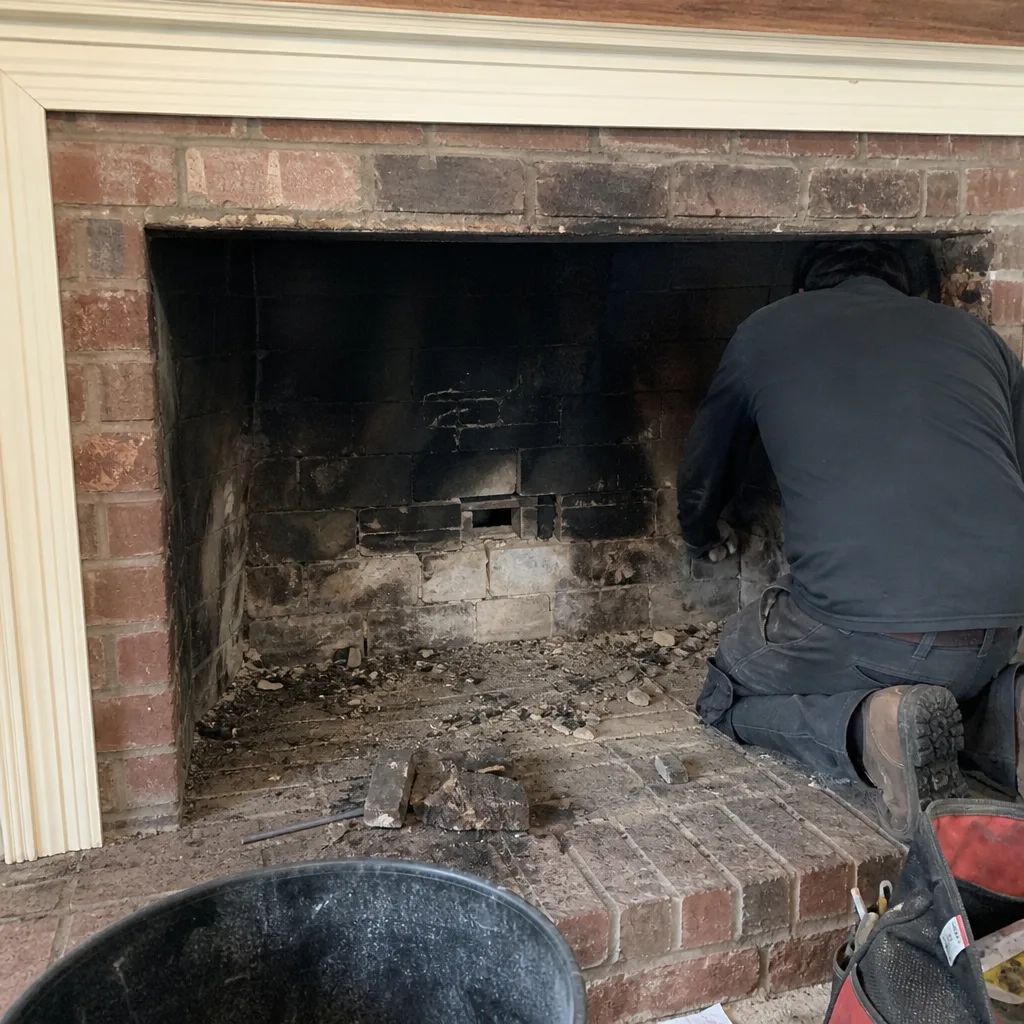 Before
 After
 Before
 After
Common Mistakes to Avoid
- Skipping the off-season entirely. Most homeowners think maintenance ends when the fireplace does. In this climate, the humid summer is when damage accumulates. Skipping post-season checks is the single biggest mistake.
- Assuming a gas fireplace needs no maintenance. Gas fireplaces need annual inspection too, and the carbon monoxide risk makes that non-negotiable.
- Going onto the roof to check the cap yourself. The cap and crown are a fall hazard. Use binoculars from the ground and leave the roof to a professional.
- Ignoring a rusted or torn spark screen. A screen with a hole in it is an open door for birds and debris. Replace it, don’t patch it.
- Judging the flue from the firebox. You can’t see creosote buildup or a cracked liner from below. A camera inspection is the only reliable check.
- Letting a professional recommendation go unverified. You shouldn’t accept a “you need a new liner” diagnosis on faith. Ask for the camera footage. Any honest technician will show you exactly what they’re seeing.
- Forgetting the dryer vent. In a home with both a chimney and a dryer, the dryer vent is often the bigger fire risk and the one nobody checks. A single visit that covers both is worth scheduling.
- Burning without a working CO alarm. Carbon monoxide is colorless and odorless. Working alarms are part of a complete safety plan, not an optional extra.
When to Call a Professional
Some jobs are fine for a homeowner, and some genuinely need a trained technician. Call a professional if you have any of the following: a fire that smokes into the room or won’t draft properly; a strong smoky smell in the house when the fireplace isn’t burning; water stains on the ceiling or walls near the chimney; a damaged or missing cap or spark screen; visible soft mortar or a cracked crown; any concern about the liner; or a gas fireplace that smells off, won’t stay lit, or sits near a CO alarm that has ever sounded. Also call if it’s simply been more than a year since the last inspection. Camera inspection is the only way to catch a flue problem before it becomes a fire or carbon monoxide risk, and an annual look is the right rhythm for a League City home. League City Chimney Cleaning offers free estimates in League City. Call (866) 819-7336. We answer 24/7. Fast dispatch from 7am to 7pm, Sunday through Friday. A call outside dispatch hours is booked into the next opening.
Frequently Asked Questions
Once a year is the right baseline for most League City homes, even if you only burn a handful of times. Light use still leaves a thin layer of creosote, and the humid off-season makes that layer more of an issue. If you burn regularly, or burn green or unseasoned wood, a second look mid-season is worth it. Call (866) 819-7336 for an exact quote. Estimates are free.
Don’t take a liner recommendation on faith. Ask to see the camera footage of your flue, at the top, middle, and bottom. A genuine liner problem shows up clearly in the video: cracks, gaps, or deterioration you can see for yourself. If the footage doesn’t show a problem, the work isn’t needed yet. When a liner does need restoring, a system like HeatShield can resurface the existing liner rather than tearing it out, which is why we ask for the evidence before recommending either option. Call (866) 819-7336 to book an inspection and see the footage for yourself.
Nothing dramatic happens overnight, and that’s exactly why people skip it. The real risks are gradual: small mortar and crown cracks widen, moisture gets deeper into the masonry, creosote builds up unseen, and a hairline liner crack can open up over a season or two. A blocked or damaged flue is also a carbon monoxide risk, and carbon monoxide has no smell, so a working CO alarm matters. The honest guidance: skipping one year usually isn’t an emergency. Skipping three or four is a different story. Call (866) 819-7336 for a baseline inspection and get a documented starting point.
You can do the safe, ground-level checks yourself: cap condition with binoculars, screen condition, damper operation, draft behavior, and water stains. You can’t reliably inspect the flue interior, creosote buildup, or liner condition without camera equipment. And you shouldn’t go onto the roof to check the cap and crown. Those parts need a trained technician. Call (866) 819-7336 to book a professional inspection and get camera evidence you can keep.
Yes. Gas fireplaces don’t build up wood creosote, but they still need an annual inspection for venting, component condition, and carbon monoxide risk. A gas fireplace that smells off, won’t stay lit, or won’t draft properly needs an inspection before you run it again. Call (866) 819-7336 to schedule a gas system check.
Yes, and it’s worth combining them. The League City Chimney Cleaning team handles chimney sweeping, chimney repair, and dryer vent cleaning under one roof, so a single appointment covers both systems. That means one point of contact, one set of photos, and no separate contractor to source for the dryer vent. Call (866) 819-7336 for a combined estimate.
Look for water stains on the ceiling and walls near the chimney, and check that the cap and screen are still secure. Staining after rain points to a leak, usually at the crown, flashing, or cap. That’s a professional repair, not a wait-and-see. Call (866) 819-7336 if you see staining after a storm.
The Bottom Line
A chimney maintenance checklist for a League City home has to be built around this climate, not a cold-climate template. The priorities are moisture control, cap and screen integrity, pest exclusion, and a documented camera inspection once a year so you can track gradual wear. Wood-burning and gas chimneys need separate checklists. Post-season steps matter as much as pre-season steps, because the humid summer is when damage quietly accumulates. If you remember one thing from this guide, make it this: nothing should be recommended without camera evidence you can see for yourself, and some work can safely wait. League City homeowners can book a full inspection, sweep, or dryer vent cleaning through our team, and every visit comes with the photo documentation you need to compare year over year. Call (866) 819-7336 for a free estimate. We answer 24/7. Fast dispatch from 7am to 7pm, Sunday through Friday.
Written by the team at League City Chimney Cleaning.