
Last updated November 15, 2026
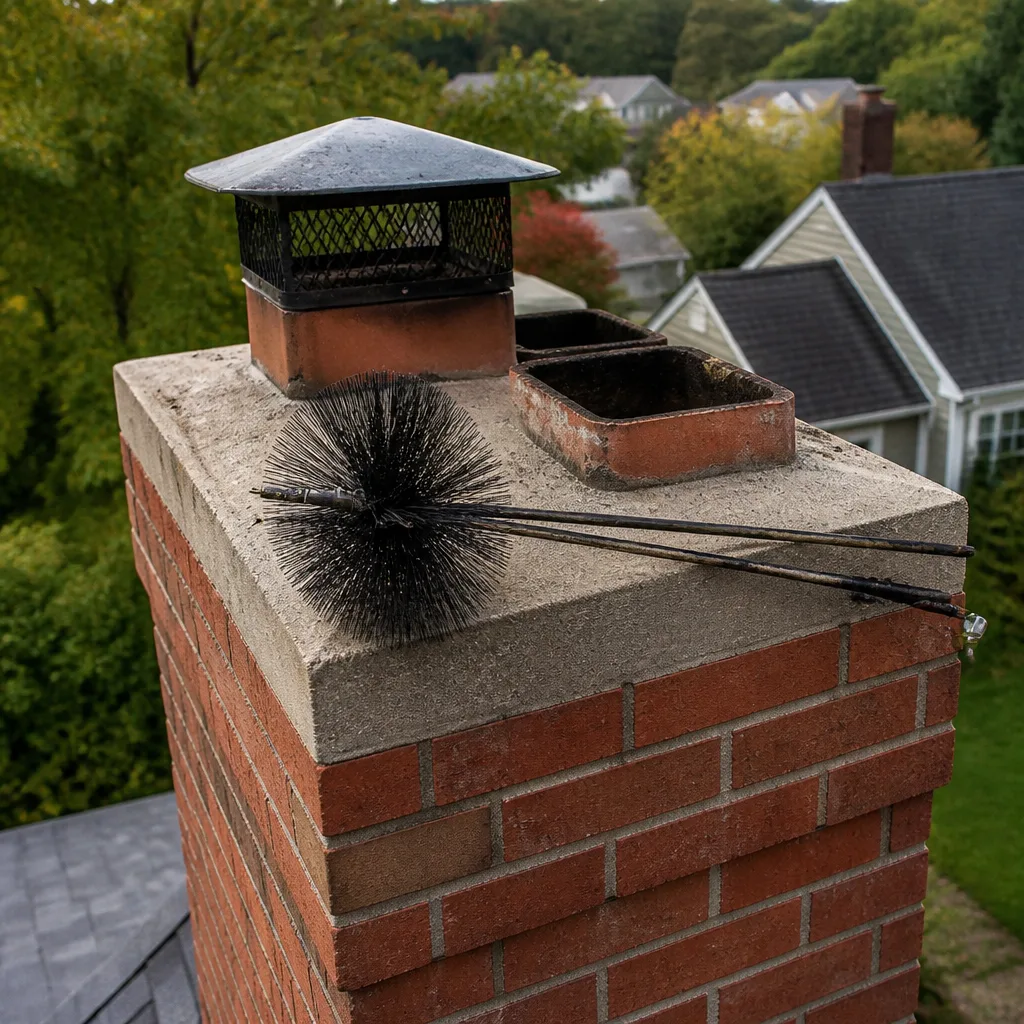 Sweep & inspection
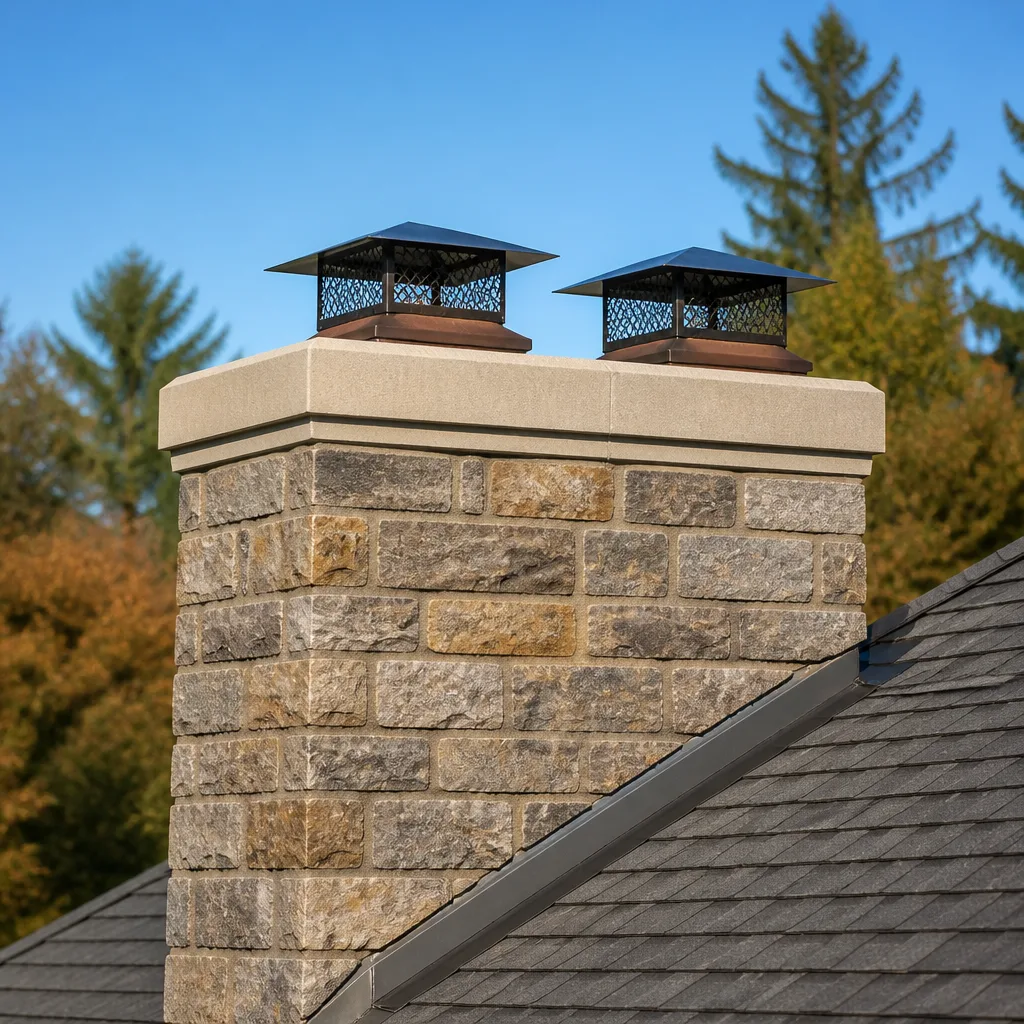 Caps & crowns
 Flue relining
 Masonry repair
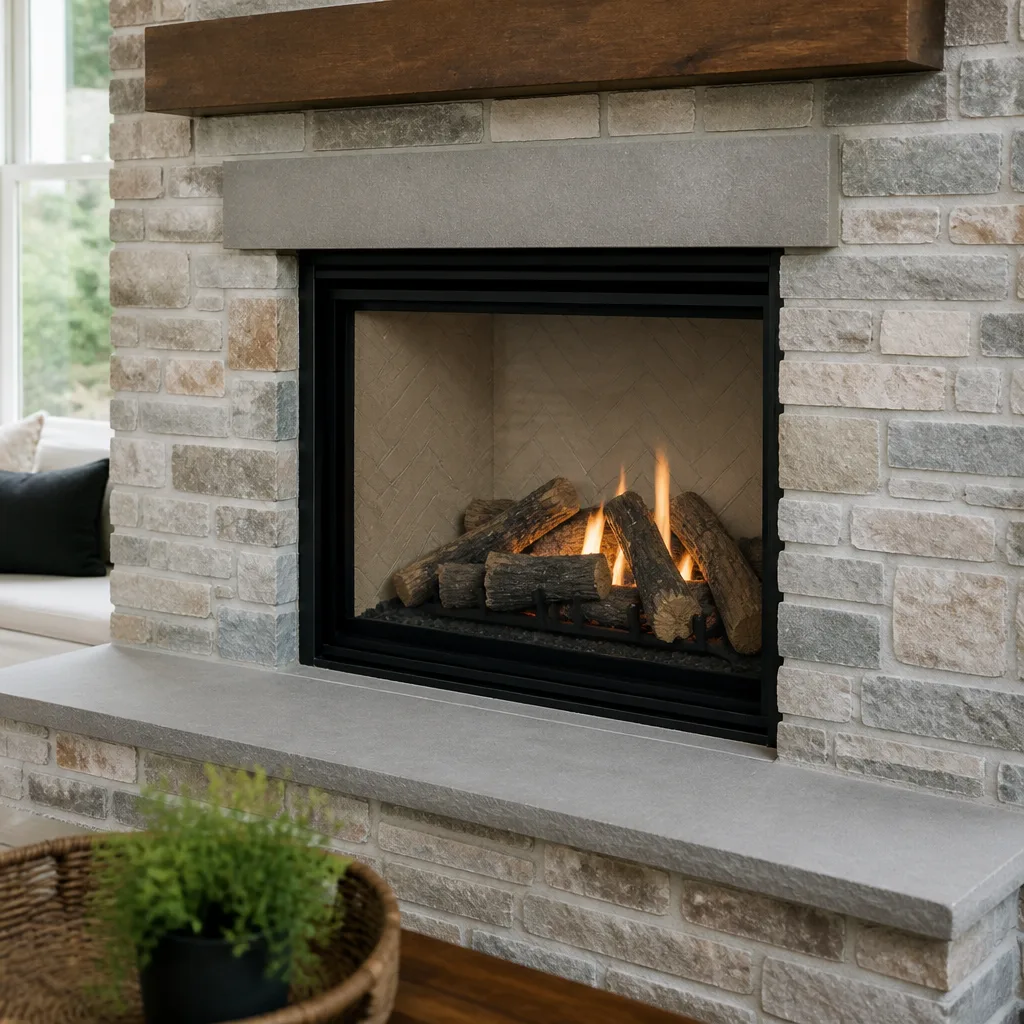 Gas fireplace service
Level 1 sweep and inspection to the NFPA 211 annual standard - flue, crown, cap, and flashing checked and photographed
Chimney sweep logs do not sweep chimneys. They loosen some creosote - which then falls where a brush and vacuum still have to collect it.
Chimney Cleaning Warning Signs: A League City Homeowner’s Reference Guide
White staining on your chimney’s exterior brick isn’t weathering. It’s efflorescence, a sign that water is moving through your masonry and evaporating on the surface. In League City’s humidity, it appears faster and means more than it does in drier climates. That’s the core problem with chimney warning signs here: the ones homeowners are taught to watch for don’t always match what actually shows up on a house in this part of Texas. A crack that would be alarming in a cold climate might be routine, and a smell that seems harmless in a dry one is often a real signal. This guide walks through the exterior and interior signs worth your attention, what each one actually tells you, and how to tell a monitor-and-schedule situation from a call-today emergency.
Quick Answer
The main chimney cleaning warning signs are efflorescence (white staining), spalling brick, crumbling mortar at the crown, rust streaks from the cap, interior firebox damage, and smoky odors when no fire has been lit. In League City, humid air makes water-related damage appear earlier and makes “summer smoky smell” a stronger diagnostic signal than national guides suggest. Any sign of water penetration, animal nesting, or a strong odor indoors warrants a professional inspection before the next burn season.
Styles & brands we work with
- Sweep & inspection
- Caps & crowns
- Flue relining
- Masonry repair
- Gas fireplace service
Table of Contents
- What Exterior Warning Signs Tell You
- What Interior Warning Signs Look Like
- Why a Smoky Smell in Summer Matters
- Animal Intrusion: The Signs Most Homeowners Miss
- How League City Humidity Changes the Timeline
- Monitor-and-Schedule vs. Call-Today
- What a Professional Inspection Actually Covers
- Common Mistakes to Avoid
What Exterior Warning Signs Tell You
Start outside. The exterior of your chimney is a working surface, and it broadcasts the condition of everything behind it. What you’re looking for is not a single problem sign but a pattern. One stain on a twenty-year-old chimney means something different from a widening band of efflorescence that appeared over a single season.
Four exterior signs deserve attention in League City:
- Efflorescence. The white, chalky band of mineral salts that rises through masonry as water moves through it and evaporates. If it comes back after you brush it off, water is still finding a path through the brick or mortar.
- Spalling brick. Brick faces flaking, peeling, or falling away from the chimney. This is late-stage water damage and it doesn’t reverse on its own.
- Mortar erosion at the crown. The crown is the concrete cap on top of your chimney. Hairline cracks are common and often repairable. Crumbling mortar and separated joints at the crown mean water has an open door into the flue.
- Rust streaks below the cap. Rust dripping down the brick from the cap or the damper hardware points to metal that’s been wet for a while, which usually means the cap is failing or missing.
None of these are cosmetic. Each one is a water story, and water is the leading cause of structural chimney failure in humid climates. When our technicians look at a League City chimney, they’re reading these signs in the context of the whole system: the crown, the brick, the mortar, the flashing where the chimney meets the roof, and the cap on top. A failed flashing seal is often the actual source when the brick looks bad.
If you see any of these, the fix depends on what’s behind the surface. Patching over spalling brick without addressing the water path is a waste of money.
What Interior Warning Signs Look Like
Inside the house, warning signs are less about brick and more about what’s moving through the air and settling on surfaces. The firebox, smoke chamber, and the walls and ceiling nearby all carry clues. What matters is distinguishing normal soot and ash from actual failure.
Here’s what to look at:
- The firebox walls. Look for cracked firebrick, crumbling refractory mortar at the joints, or white or grey powder flaking off. Firebricks protect the surrounding masonry from direct flame. When they fail, the damage has a direct path.
- The smoke chamber. This is the sloped area just above the damper and below the flue. If you can see it with a flashlight, look for crumbling mortar, gaps between bricks, or heavy creosote buildup (black, shiny, and tar-like). Most smoke chamber problems aren’t visible from inside, which is why a camera inspection matters.
- Soot patterns on the wall above the fireplace. A distinct dark plume that wasn’t there before usually means the draft has changed, often because the flue is partially blocked or the cap is compromised.
- Smoky odors in the living space. Covered in the next section, but note any smell that arrives when the fireplace has been cold for days or weeks.
- Damper that doesn’t operate smoothly. A sticking or rusted damper points to moisture that’s made its way down the flue, and it may be leaving a gap that lets in air.
Interior signs aren’t just about the chimney. If you can see smoke coming back into the room when you light a fire, or if the fire won’t draw consistently, that’s a draft signal rather than a cleaning signal, and it deserves a proper inspection. Every chimney sweep from a professional should include a camera inspection with photos you can see for yourself, so you’re not asked to take a diagnosis on faith.
Why a Smoky Smell in Summer Matters
A smoky smell inside the house when no fire has been lit for months is a diagnostic signal, not a quirk. It’s the sign most League City homeowners dismiss. It also tells you more than most people realize.
Here’s why. When air is warm and humid, it’s less dense than the cooler air inside the flue, so the house is effectively pulling air down the chimney instead of pushing it up. That reversal brings whatever’s on the inside of the flue into the room: creosote, soot, and older fireplace odors. In the winter, the draft runs the other way and you don’t notice.
What the smell is telling you:
- Creosote buildup. A strong, sharp, smoky smell that lingers in the room usually indicates an accumulation of creosote in the flue. The buildup itself is normal; the fact that you can smell it strongly indoors is the signal.
- Water in the system. A musty or damp smell mixed with smoke points to moisture, which usually traces back to the cap or the crown. This is common in League City because the humidity stays high through the summer, slowing the drying of any water that gets in.
- Blockage or animal intrusion. A musty, sharp odor with no obvious water source can also be a bird or squirrel nest in the flue. The smell of nesting material is distinctive once you’ve run into it.
One smell is not proof of a problem. A faint smoky smell in summer that goes away in a few days is often just a draft reversal during a hot, still week. A smell that persists for a month, gets stronger when it rains, or is accompanied by any of the exterior signs above is a different situation. That’s the case for a professional inspection with a camera. We answer 24/7, and our fast dispatch from 7am to 7pm, Sunday through Friday, gets a technician out to look at it.
Animal Intrusion: The Signs Most Homeowners Miss
Animals get into chimneys, particularly in neighborhoods with mature trees and accessible rooflines. A chimney cap that’s missing, damaged, or badly installed is an open door. Birds, squirrels, and raccoons are the usual offenders, and their signs show up in predictable ways.
What to watch for:
- Scratching, flapping, or chirping sounds from inside the chimney. Most active during the day for birds and squirrels, often at dawn or dusk for raccoons.
- Debris falling into the firebox. Twigs, leaves, grass, insulation, or nesting material that shouldn’t be there.
- Droppings on the hearth, the roof, or the cap. Small dark droppings on the roof around the chimney are an obvious sign; droppings inside the firebox are a stronger one.
- Odors. A sharp, musky, or ammonia-like smell in the room or near the fireplace, especially if it worsens on warm days.
- Visible nest material at the flue opening. Sometimes you can see it from inside the firebox with a flashlight and a camera.
Never put a fire in the firebox if you suspect an active nest. You don’t know what’s up there, and you don’t want to know. A professional inspection will clear it out, and a proper cap will prevent a repeat. We use caps and venting components from established manufacturers like Copperfield and Olympia Chimney because the cap is the component that keeps the chimney closed between visits, and it’s worth getting right the first time.
How League City Humidity Changes the Timeline
Most chimney warning-sign guides are written for climates with long, hard freezes and dry summers. League City doesn’t have that profile. Winters here are mild, and the humidity stays high through much of the year. Both facts change what you’re watching for and how fast it happens.
Here’s how it plays out:
- Efflorescence appears earlier. The same amount of water moving through brick produces visible white staining faster in humid air, because the surface doesn’t dry as quickly and the salt deposits accumulate.
- Spalling accelerates. Once the brick starts to fail, the cycle compounds. Water gets in, humidity slows the drying, and more brick face pops off. A chimney that would take a decade to reach “call a professional” in a dry climate can get there faster here.
- Crown cracks stay open longer. Cracks in the concrete crown stay wet between rain events, which makes them a path for water even when the weather looks dry.
- Summer smells are stronger and last longer. The draft reversal that causes chimney odors in summer is more pronounced when the air is humid and still. The smell you notice in League City summers is often a real signal, not an overactive nose.
- Creosote behaves differently. The third stage of creosote, the hard, glazed kind, is what most alarms a sweep. In this climate, damp air in the flue between fires can turn soot into a more stubborn deposit sooner, so the buildup worth removing can accumulate faster.
The practical takeaway: in League City, spot the sign early and treat it seriously. A white stain that would be a two-year monitoring item in a dry climate is often a one-season problem here. The right answer is an inspection with a camera and a clear explanation of what’s actually happening, not a guess based on a national checklist.
One local advantage: our team works in and around League City regularly and knows what a chimney on a Gulf Coast build-out looks like in its tenth and twenty-fifth year. We’ve learned to read the signs in the context of the local climate, not a generic one. Call (866) 819-7336 for a free estimate.
Monitor-and-Schedule vs. Call-Today
Not every warning sign is an emergency. Some are “schedule a sweep in the next few months.” Others are “stop using the fireplace and call now.” Being clear about which is which is one of the most useful parts of a proper inspection, and it’s the part most guides skip.
Monitor-and-schedule signs:
- Light efflorescence that appears after a hard rain and dries out between events.
- A few hairline cracks in the crown that haven’t grown in a season.
- A faint smoky smell in the summer that clears up in a few days.
- Moderate soot in the firebox and a normal amount of ash after a burn season.
- A damper that opens and closes, even if it’s a little stiff.
Call-today signs:
- A smoky smell indoors that lingers for more than a week, or any smell that gets worse when it rains.
- Visible animal activity, nesting material, or droppings in the firebox.
- Soot on the wall above the fireplace that wasn’t there before.
- Spalling brick with pieces actively falling off.
- A strong chemical or sharp smoky smell that hits you when you walk into the room.
- Smoke coming back into the room when you light a fire, or a fire that won’t draw at all.
A few things fall in the “call today but don’t panic” category. A persistent smell is a call-today situation, but it isn’t a reason to evacuate the house, and there’s usually no fire risk from a smell alone. A fire that backdrafts is different: stop using the fireplace, open a window, and get someone out to look at it. Carbon monoxide is the real reason to treat backdraft as urgent. A chimney that can’t pull smoke and gases up is a chimney that can push them into the room, and that’s the one situation where the answer is always “call.”
One thing we always say to League City homeowners: nothing gets recommended without camera evidence you can see. The inspection is the diagnostic step. It tells us whether it’s a schedule-it situation or a fix-it-now situation. Call (866) 819-7336 to book. A written estimate sets the price, and the estimate is free.
What a Professional Inspection Actually Covers
An inspection isn’t the same as a sweep. A sweep cleans; an inspection diagnoses. The best time to schedule both is together, before the first cool week of fall, so any repair can happen before you’re using the fireplace. Here’s what a professional visit should cover:
- Exterior walkaround. Crown, cap, brick, mortar joints, flashing, and the roof line. This is where the water story shows up first.
- Firebox and damper check. Firebrick condition, refractory mortar, damper operation, and the smoke chamber.
- Camera inspection of the flue. Video and photos of the interior of the flue, the smoke chamber, and the liner. This is the step that catches most of the problems a flashlight misses.
- Creosote assessment. Stage and location of buildup, plus a plan for the appropriate sweep method.
- Draft test. Confirms the chimney is drawing air up and out as it should.
- Photo report. You should see what the technician saw, with before-and-after photos of the flue, and a clear explanation of anything worth monitoring versus anything worth fixing.
If the inspection turns up damage, “repair” is a broad word. On some jobs, a chimney liner resurfacing product like HeatShield restores a damaged liner without a full relining, which extends the life of the existing structure and costs less than a rebuild. On other jobs, the right fix is a new liner with components from a professional-grade manufacturer like DuraFlex. The reason we’ve standardized on brands like these is simple: the repair has to survive another ten years of the same climate that damaged the original. A hardware-store patch won’t.
Whether you schedule a chimney sweep or a full inspection, you should walk away knowing exactly what state your system is in. If you also run a dryer, it’s worth asking about the vent at the same time. Dryer vent cleaning catches lint buildup that chimney-only companies don’t look at.
Common Mistakes to Avoid
These are the patterns we see repeatedly when homeowners misinterpret a warning sign:
- Treating efflorescence as cosmetic. Brushing it off and calling it “fixed” doesn’t address the water path. The stain comes back because the water is still moving.
- Burning a fire to “clear out” a smoky smell. A fire in a chimney with a blocked flue or a damaged liner is the wrong response. If the smell is a symptom of blockage, a fire makes the problem worse. Get it inspected first.
- Ignoring a summer smell because “there’s no fire.” The absence of a fire is exactly why the smell matters. A smell in summer is a draft reversal bringing flue contents into the room, and that’s worth investigating.
- Waiting until a chimney sweep appointment to mention a crack or a stain. Tell the sweep what you’ve observed before they arrive. Photos help. Knowing there’s a spalling brick or a summer smell up front lets the technician plan the visit properly.
- Assuming animal activity means a one-time fix. If a bird got in, the cap is broken or missing. Replacing the cap is the part that prevents a repeat; that’s where we use components from manufacturers like Famco and Copperfield that are built for the job.
- Watching the brick but skipping the flue. Most serious chimney problems aren’t visible from outside. The flue interior is where the creosote buildup that causes chimney fires accumulates, and only a camera inspection catches it.
- Calling a general handyman for structural chimney work. Repairs on the crown, liner, or smoke chamber need a specialist with the right materials. HeatShield resurfacing and DuraFlex relining are not general-repair products.
If you’re unsure whether what you’re looking at is a real warning sign, take a photo and call. We’d rather see a photo of a normal chimney than have a homeowner ignore a problem until it’s a lot bigger. Call (866) 819-7336 for a free estimate.
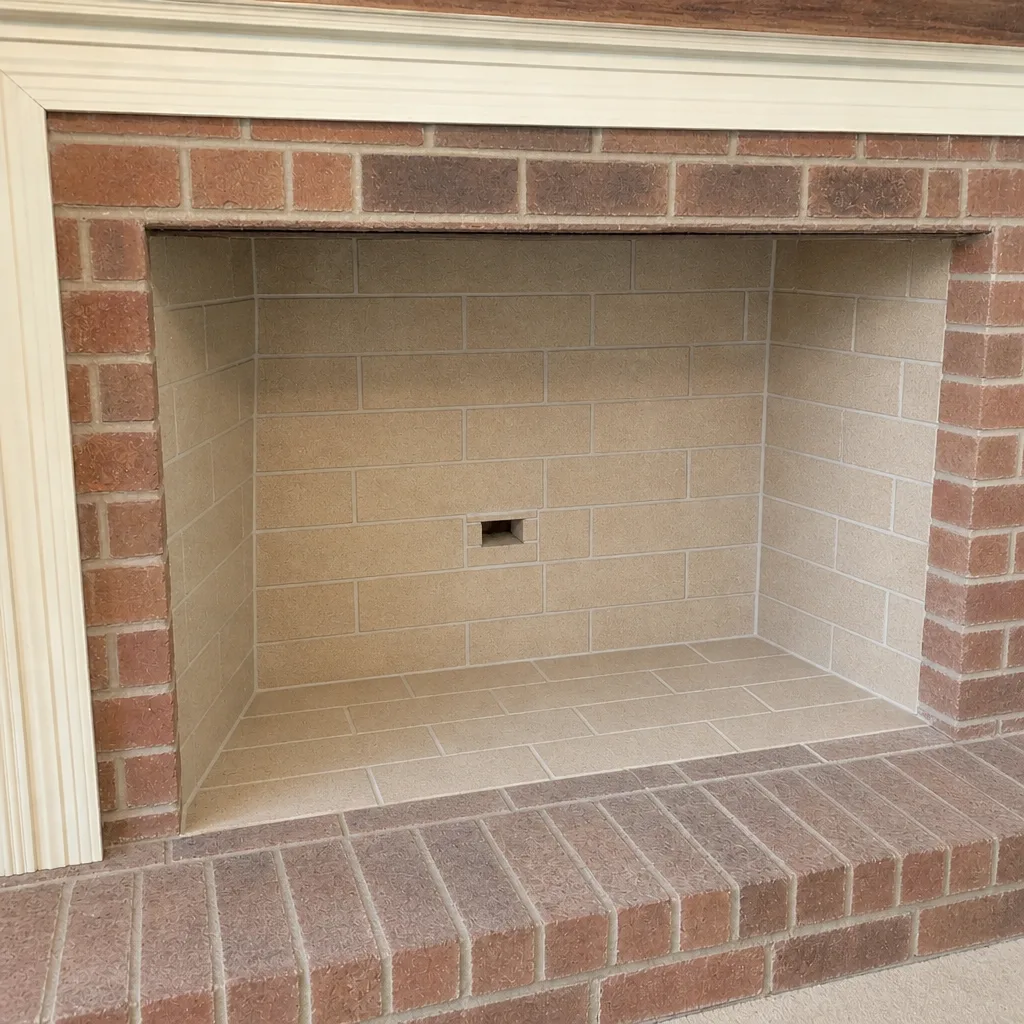
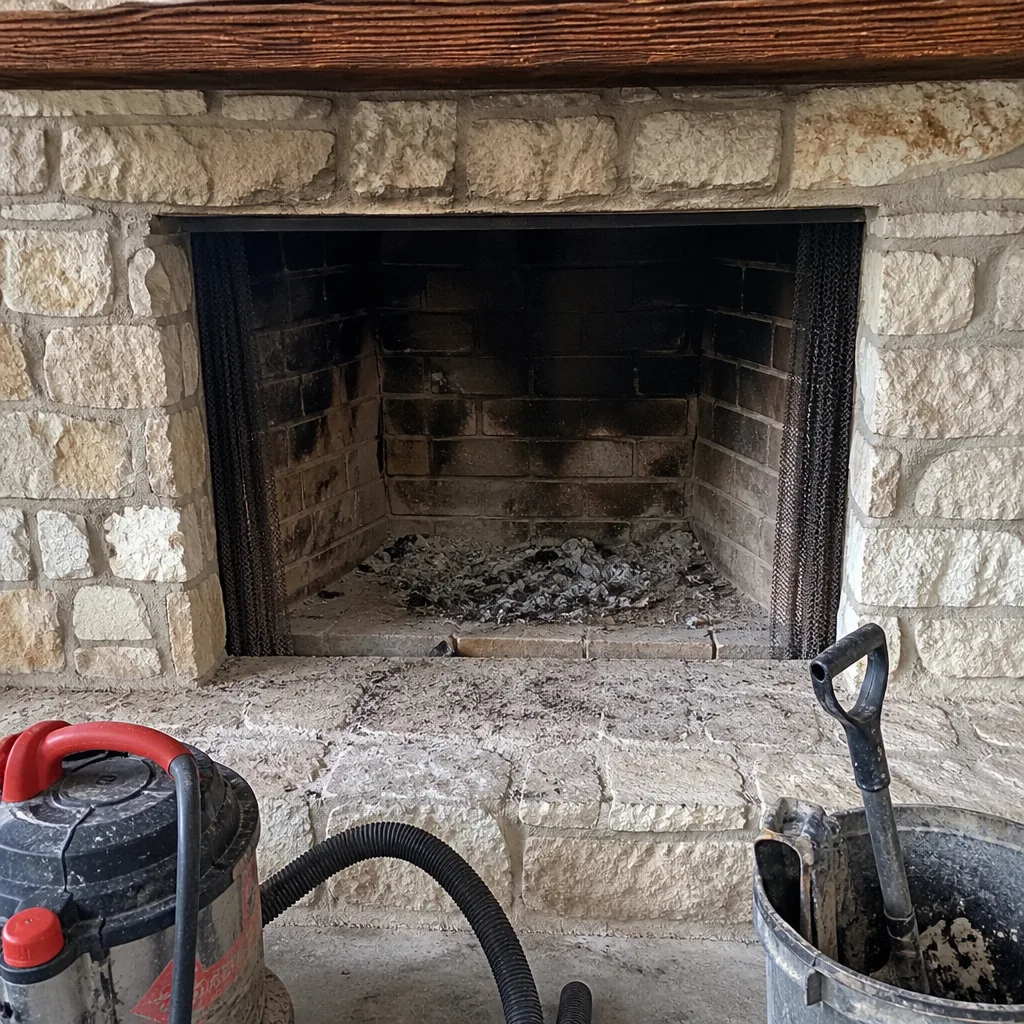
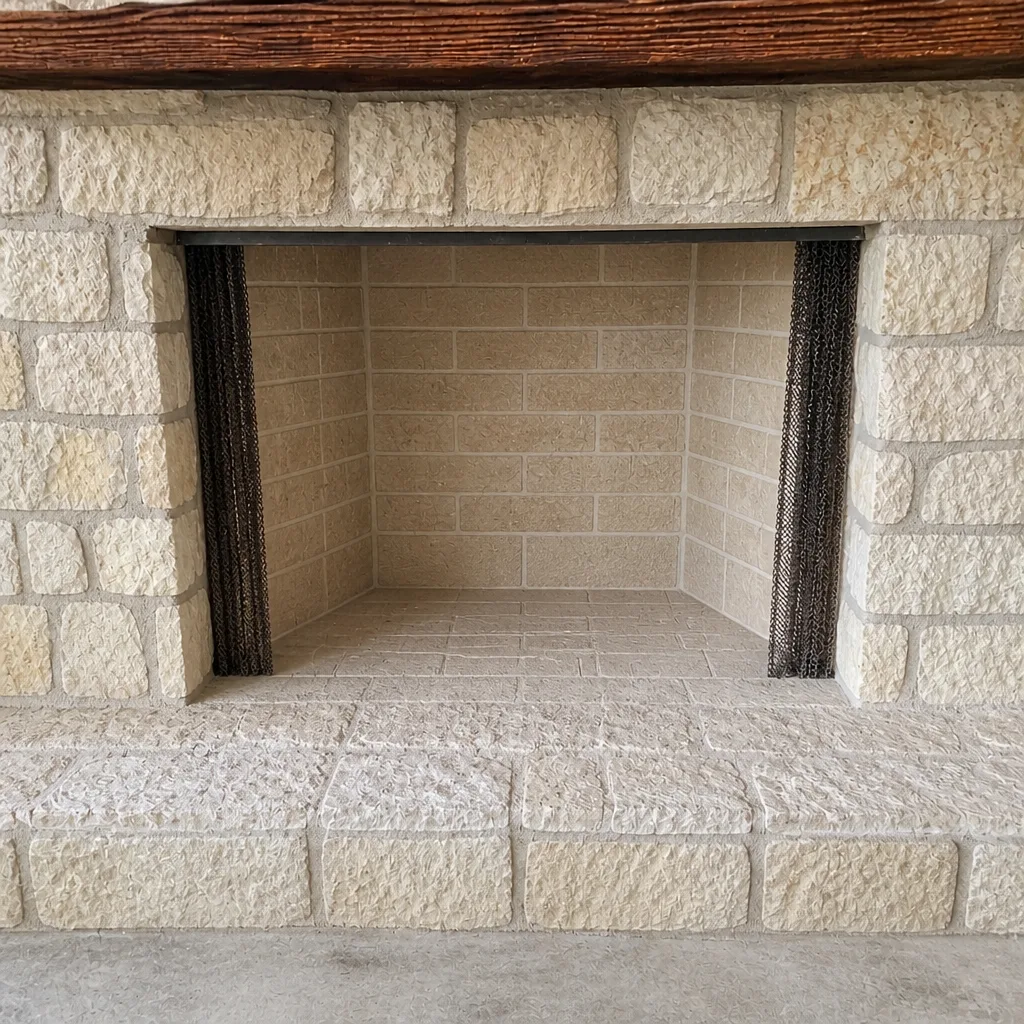
See the difference
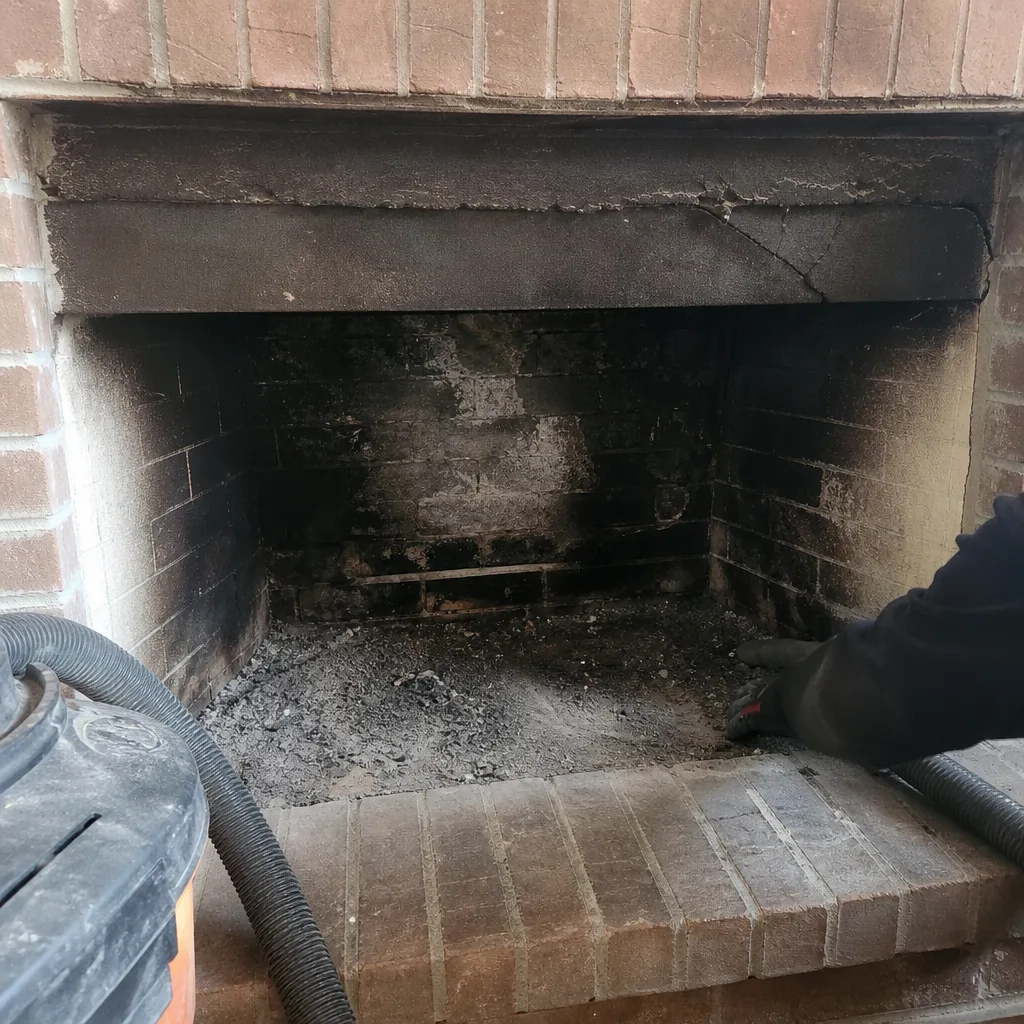 Before
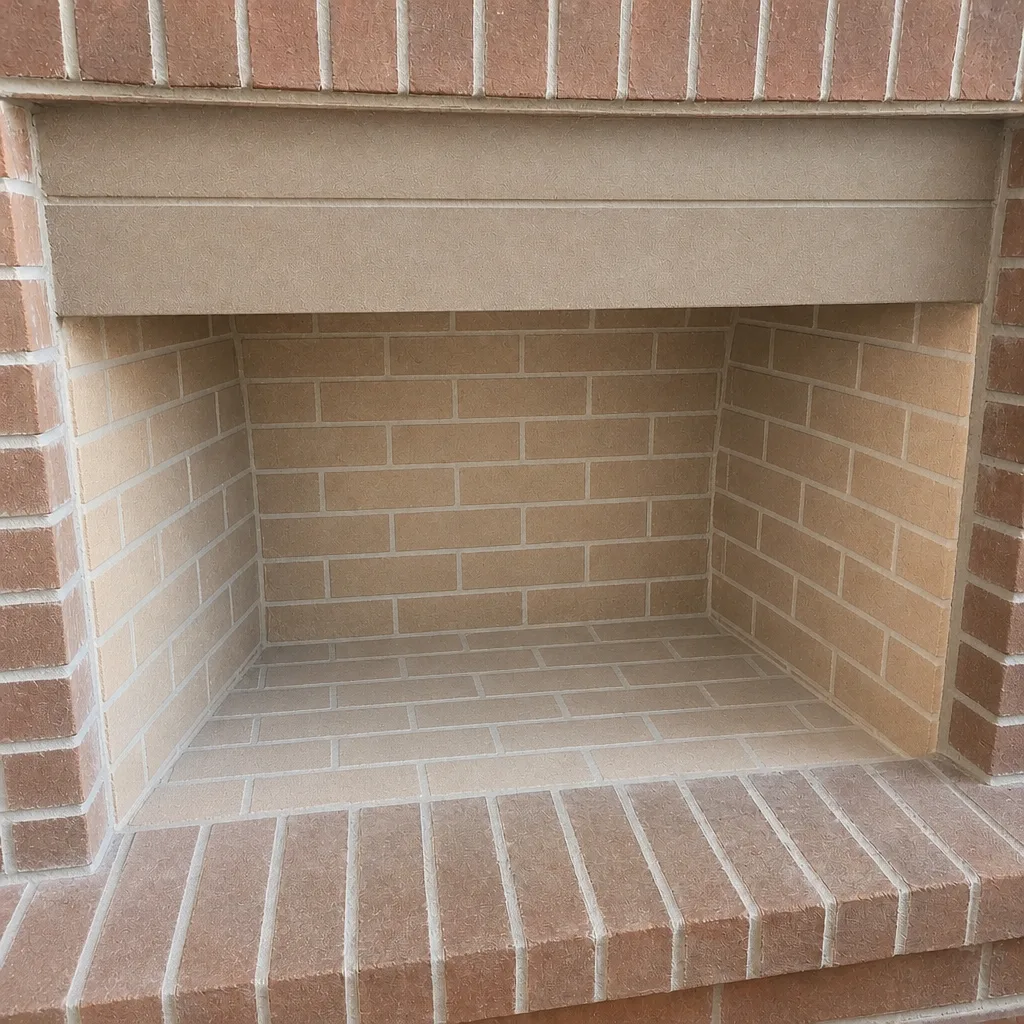 After
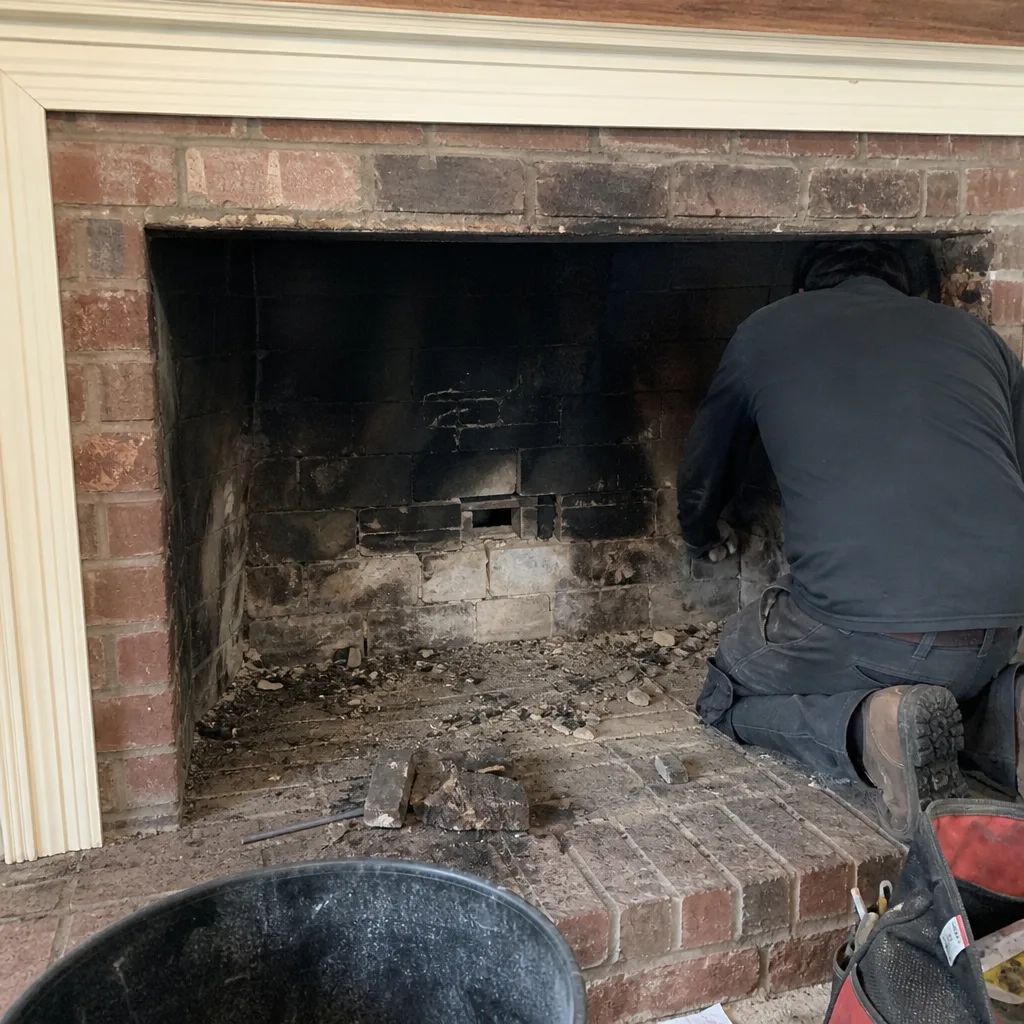 Before
 After
 Before
 After
When to Call a Professional
Call a professional chimney company when any of these apply: active animal activity in the firebox, smoke coming into the room, a smoky smell indoors that persists for more than a few days, spalling brick with pieces falling, soot marks above the fireplace that weren’t there before, or any combustion concern at all. A yearly inspection is also worth doing if your fireplace gets heavy use, and it’s worth doing before the first cool week to get ahead of the wait. League City Chimney Cleaning offers free estimates in League City. Call (866) 819-7336. We answer 24/7, and there’s fast dispatch from 7am to 7pm, Sunday through Friday. Our technicians have up to 15 years of experience, and the price is set per job by the written estimate.
Frequently Asked Questions
In most homes, once a year before the first burn season is the standard recommendation. If your fireplace is used daily through the winter, or if you burn unseasoned wood, you may need it more often. In League City’s humid summers, an annual pre-season inspection also catches water damage before it spreads to spalling brick.
Efflorescence is a visible symptom of water moving through the masonry, not a leak in itself. Brushing it off and having it return within a few weeks is a sign that water is still getting in. The source is usually a cracked crown, a failed flashing seal, or a missing cap. Call (866) 819-7336 for a free estimate on an inspection that can find the source.
A faint smell that fades after a few days can be normal draft reversal. A strong smell that lasts a week or more, or one that gets worse on rainy days, is not normal. It usually points to creosote buildup, water in the flue, or animal nesting material. Either way, an inspection with a camera is the answer. Call (866) 819-7336 for a free estimate.
No. If you see nesting material, droppings, or hear active animal movement, don’t use the fireplace. The firebox isn’t clear, and a fire in a chimney with a nest can produce unexpected smoke or spread debris. Book an inspection and have it cleared out first. Call (866) 819-7336.
Monitor signs are stable: light efflorescence that dries between rains, a few crown cracks that aren’t growing, or a faint smell that clears. Call-today signs are active: any smell that persists, any nesting material, any smoke coming into the room, or brick spalling with pieces falling. League City weather makes the monitor-to-call-today line move faster than it does in drier climates, so when in doubt, call. We answer 24/7.
Yes, because humid air slows drying, which means water stays in masonry longer and the damage compound happens sooner. The same stain that would be a two-year watch item in a dry climate can be a one-season issue here. Our technicians account for it because they see the pattern constantly in League City.
At League City Chimney Cleaning, a sweep and a repair are the same call. Customers who use us for a sweep use us for repairs when they’re needed, so there’s no separate contractor to line up. See what’s included by visiting League City Chimney Cleaning. Call (866) 819-7336 for a free estimate.
The Bottom Line
The warning signs that matter most in League City aren’t the ones national guides emphasize. Water damage shows up earlier here, smells carry a stronger signal in summer, and animal intrusion is more likely in the neighborhoods lining the bay. Start with the exterior: efflorescence, spalling brick, crown erosion, and rust streaks. Then check the firebox. Then, if you’re smelling something in summer with no fire lit, take it seriously. Camera inspection with a photo report you can see is the standard, and it’s what separates a diagnosis from a guess. Call (866) 819-7336 for a free estimate.
Written by the team at League City Chimney Cleaning.