
Last updated November 15, 2026
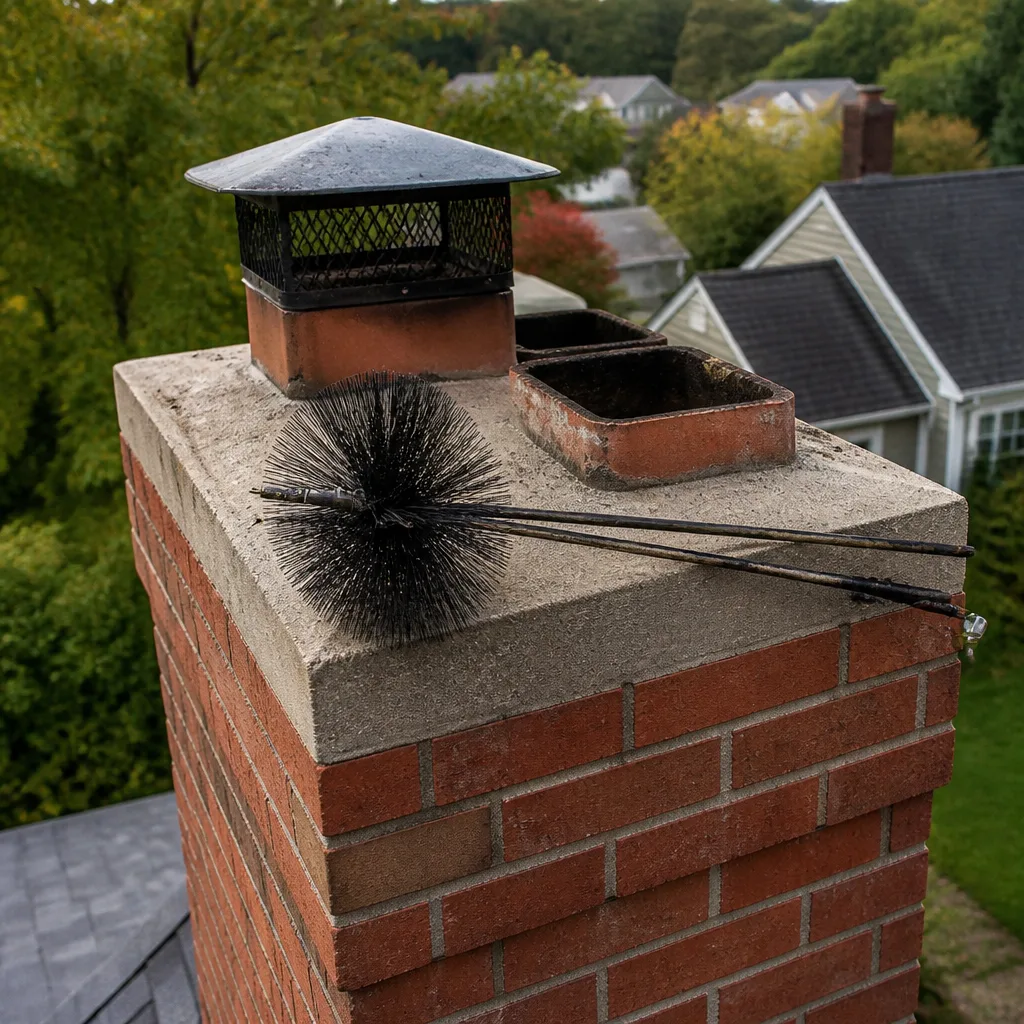 Sweep & inspection
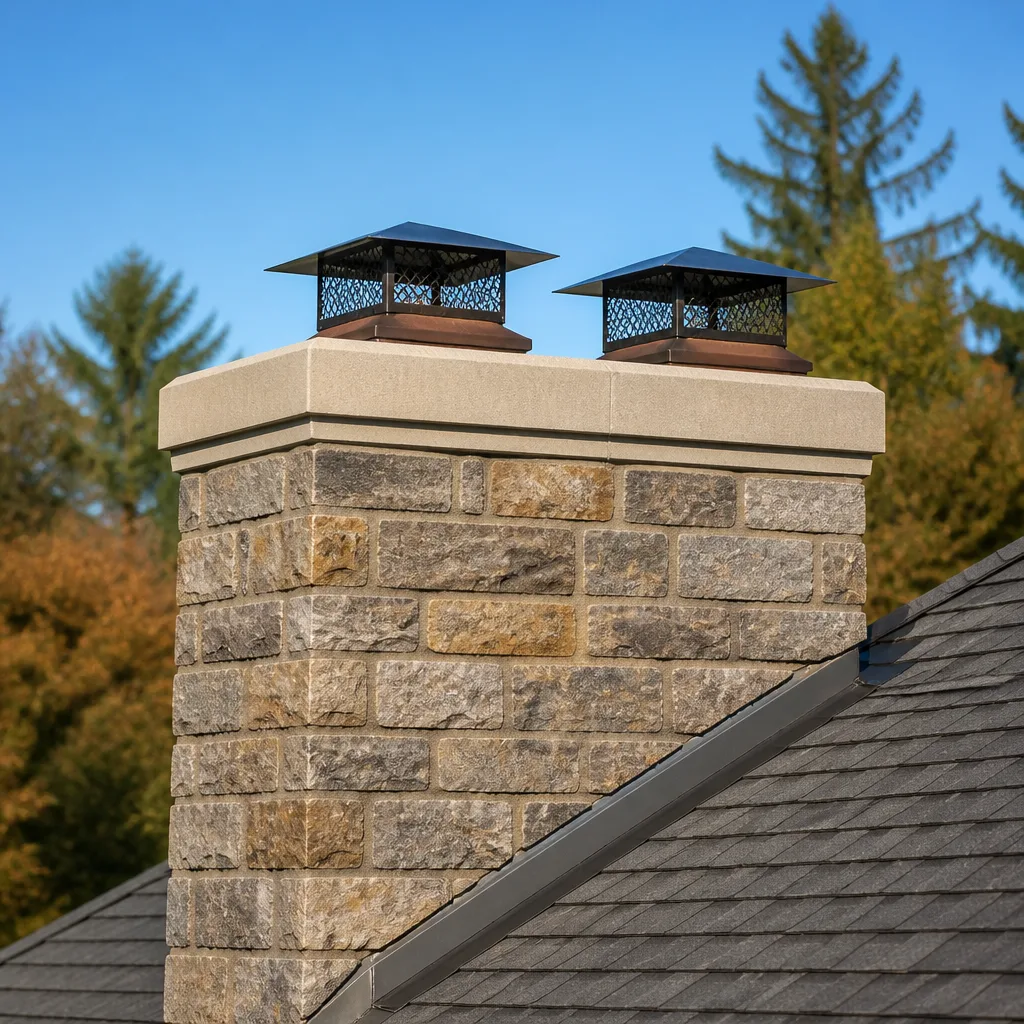 Caps & crowns
 Flue relining
 Masonry repair
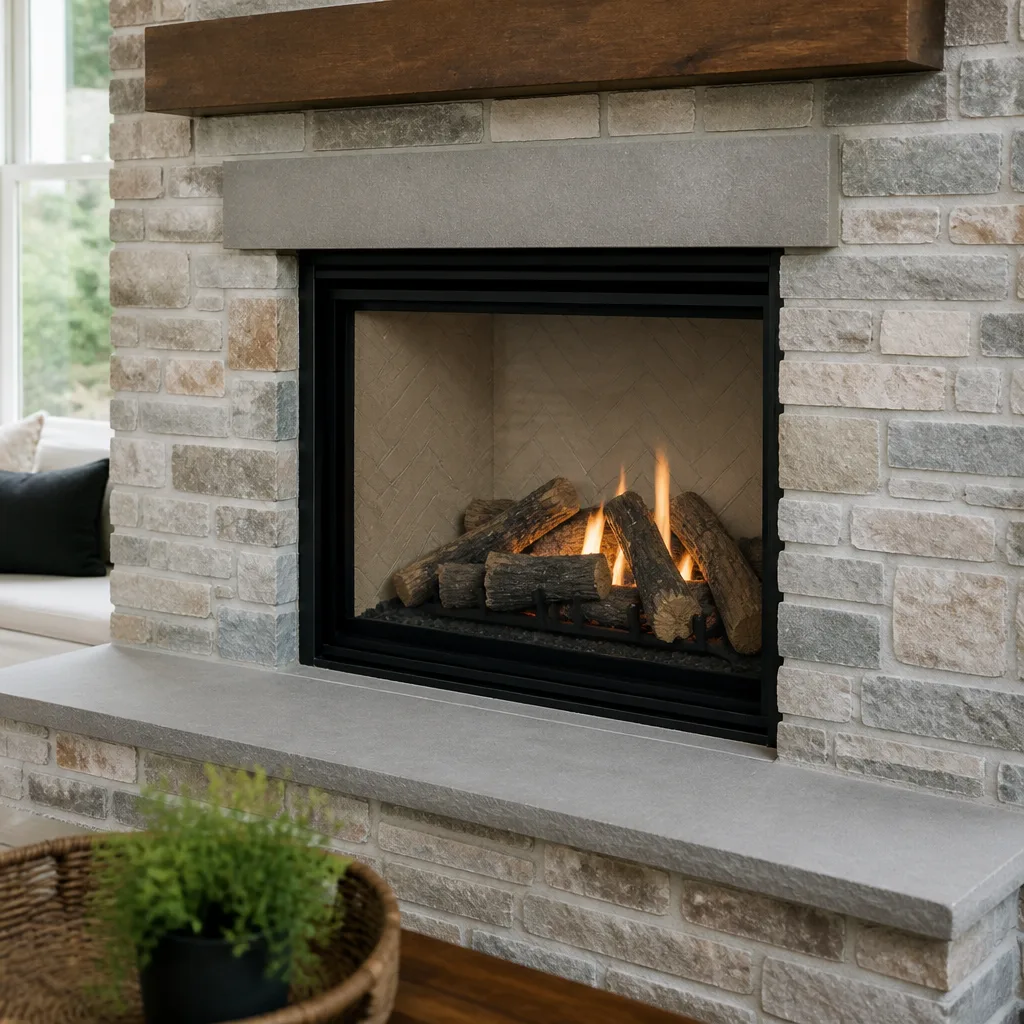 Gas fireplace service
Level 1 sweep and inspection to the NFPA 211 annual standard - flue, crown, cap, and flashing checked and photographed
Chimney sweep logs do not sweep chimneys. They loosen some creosote - which then falls where a brush and vacuum still have to collect it.
Chimney Cleaning Emergency Preparedness Guide for League City Homes
A chimney fire doesn’t always announce itself with a roar. Sometimes it’s a low rumble you mistake for the wind, a smell you can’t place, or a puff of smoke where smoke shouldn’t be. By the time the obvious signs show up, the window where your response could have changed the outcome has usually closed. That’s the reasoning behind this guide. Chimney emergencies in League City follow patterns we know well, and the homeowners who come through them with the least damage are the ones who rehearsed the response before they needed it. Below you’ll find the early warning signs, a three-step response plan, the carbon monoxide risks specific to gas fireplaces, storm protocols, and the information to have ready before you call anyone.
Quick Answer
A chimney emergency in League City is handled in three immediate steps: get everyone out of the house, call 911, and only then call a chimney professional. A post-emergency Level 2 inspection is mandatory before you relight, and your insurer will want documentation. If you smell smoke, hear a low rumble, or see creosote flakes on the roof, treat it as active until proven otherwise. And if you have a gas fireplace, don’t rule out carbon monoxide just because you don’t burn wood.
Styles & brands we work with
- Sweep & inspection
- Caps & crowns
- Flue relining
- Masonry repair
- Gas fireplace service
Table of Contents
- How Do You Know a Chimney Fire Is Happening?
- The Three-Step Response Sequence
- Carbon Monoxide and Gas Fireplaces
- Post-Hurricane and Tropical Storm Protocols
- What to Have Ready Before You Call
- Why a Level 2 Inspection Isn’t Optional
- What Your Insurance Company Will Ask For
- Prevention Before the First Cold Front
How Do You Know a Chimney Fire Is Happening?
A chimney fire is confirmed by any one of five signals: a low-pitched rumble that sounds like a distant train, a sharp crackling noise, smoke or a burning smell that appears in rooms other than the fireplace, a sudden drop in draft, or discolored creosote flakes on the roof or ground near the chimney cap. If you notice even one, treat the chimney as on fire and follow the response sequence below. The most dangerous mistake is waiting to see if it gets worse.
The tricky part is that chimney fires don’t come in one intensity. Small, slow-burning fires can smolder in a flue for a while before the homeowner registers anything unusual. We’ve talked with plenty of League City residents who assumed the noise was the wind off the bayou, or that the smell was coming from a neighbor’s barbecue. That ambiguity is exactly why we advocate a prepared response: if you’re already rehearsed, the decision-making is taken off the table.
Normal draft noise is different. A wood chimney drawing well produces a steady, low whoosh during combustion and quiet when the fire is dying down. There’s no crackling that keeps going after firewood is extinguished, no smell in upstairs rooms, and no visual signals on the roof or in the firebox. If you can’t tell the difference, the safe call is to treat it as active and evacuate.
Two things escalate risk quickly. One is a buildup of creosote in the flue, which is combustible and is the common fuel for a chimney fire. The other is a flue obstruction, which can produce a fire in one case or push carbon monoxide back into the house in another. A scheduled chimney sweep removes both concerns before they become a seasonal risk, and it’s the cheapest form of emergency preparedness there is.
The Three-Step Response Sequence
The response to an active chimney fire is always the same three steps, in this order. Learn them now, write them somewhere visible, and make sure every adult in the house has them correct.
- Get everyone out of the house immediately. Don’t gather belongings, don’t look for the fire extinguisher, don’t try to douse the fire from inside. A chimney fire can spread into the attic or the structure of the house without visible warning from the room where the fireplace sits. Assemble at a distance, count heads, and stay out.
- Call 911. Tell the dispatcher you have a chimney fire and give your address and whether anyone is unaccounted for. The fire department can verify whether the fire has extended beyond the flue and the firebox.
- Call a chimney professional after 911. Once the fire department has cleared the house, the chimney needs an inspection and likely repair before it can be used again. Call League City Chimney Cleaning and we’ll schedule the post-emergency inspection. We answer 24/7. Fast dispatch from 7am to 7pm, Sunday through Friday.
The instinct to attack the fire yourself is the one that gets people hurt. A chimney fire can reach temperatures high enough to ignite the framing around the flue, and no household fire extinguisher is designed for a fire inside a masonry column. The flue may also be structurally compromised by the heat, and a partial collapse while you’re working near the firebox is a real risk. Get out. Firefighters handle the fire. The chimney work comes after.
Do not relight any fireplace or wood stove until a professional has inspected it. That includes a fireplace that seemed to handle the incident ‘fine.’ The damage a chimney fire causes to a flue liner is often invisible from the outside, and a cracked liner is the pathway for carbon monoxide to enter the living space next time it’s used. Our technicians have up to 15 years of experience telling the difference between a scare and a real structural problem, and we won’t clear a chimney we wouldn’t use in our own homes.
Carbon Monoxide and Gas Fireplaces
Carbon monoxide is colorless and odorless, which is why gas fireplace problems get missed. The symptoms read like flu, and homeowners chalk them up to allergies, a virus, or a long day. But a gas fireplace, gas log set, or gas furnace with a blocked or compromised flue sends CO into the living space, and the chimney is often the last thing anyone thinks to check.
Common early CO symptoms to watch for:
- Headache that improves when you leave the house and returns when you come back
- Dizziness or lightheadedness without a clear cause
- Nausea or a general feeling of illness in multiple household members at once
- Confusion, fatigue, or drowsiness out of proportion to activity
- Pets showing symptoms before people do
If any of these appear together, get everyone outside and call 911. Do not attempt to diagnose it yourself, and do not wait to see if symptoms pass. A CO alarm is the only reliable in-home warning, so if you don’t have one on the same level as the fireplace and outside each sleeping area, that’s the first thing to fix.
Gas systems present a second problem most people don’t expect: the chimney may look fine from the inside of the house, but the flue is failing to vent properly. A flue that was sized for a wood-burning appliance and later adapted for a gas log set can pull too little draft, especially during startup in mild weather. That’s a system design issue, not a cleaning one, and it’s the kind of thing we look for when we inspect a home in League City. If a liner needs restoration rather than replacement, HeatShield resurfacing can restore the flue from the inside where the existing liner is structurally sound. If replacement is the right call, we work with DuraFlex and Olympia Chimney components. Professional-grade materials, not whatever’s on the shelf.
Post-Hurricane and Tropical Storm Protocols
After a tropical storm or hurricane passes through the League City area, a chimney needs inspection before it’s used again, even if nothing looks wrong. High wind can drop debris into the flue, dislodge a cap, crack a crown, or shift a liner without any visible damage from the ground. Each of those creates a real CO or fire risk the first time the fireplace is lit.
A post-storm chimney assessment checks:
- Chimney cap still attached and undamaged, or properly replaced
- No visible flue obstruction from branches, leaves, or debris
- Crown intact and not cracked or crumbling
- Flashing and seals at the roof line still tight
- Masonry joints free of spalling or separation
- Flue liner continuity, especially at joints and terminations
Two risks stand out after storms. The first is CO. A dislodged cap allows water intrusion and a nest or debris blockage that pushes exhaust back into the house instead of up and out. The second is structural. A chimney that shifted visibly from its original line needs professional evaluation before it’s used, because the flue may now be misaligned enough to vent poorly or leak.
One storm-season protocol worth adopting: before the next named storm reaches the Gulf, make sure your chimney is documented as clean and clear. Then after the storm, if there’s any doubt, schedule the inspection before you consider a fire. This is the pattern we encourage in League City: pre-season check, post-storm check, then a normal run through burning season. It’s a simple rhythm and it closes the biggest gaps we see.
What to Have Ready Before You Call
Before you call a chimney professional for an emergency, have four things ready: the type of system, the last service date, the component brands, and a basic description of what happened. That information lets the technician dispatch with the right parts on the truck and the right diagnostic focus on the first visit.
- System type. Wood-burning masonry fireplace, factory-built wood fireplace, gas fireplace, gas log set, wood stove, or furnace flue. Each presents a different failure mode and response.
- Last service date. Even approximately. “Swept about two years ago” tells the technician a lot about likely creosote load and whether the flue has been inspected recently.
- Component brands. If you know your liner is DuraFlex or your cap is Olympia Chimney, say so. Component identity makes a real difference if replacement parts are needed.
- What happened. Sounds, smells, smoke, visible fire, alarms going off, when it started, and whether anyone felt ill. Keep it factual.
For a wood stove or insert, also know whether the appliance was DIY-installed or professionally installed, and whether the chimney has a top-sealing damper. For a gas appliance, be ready to describe the ignition process and whether the pilot stays lit. That kind of detail shortens the diagnostic process considerably.
Don’t worry about not having every answer. A technician who knows what to look for will figure it out. What matters is having what you know ready before the call, so the conversation is efficient and the response is accurate. It’s also worth knowing your home’s layout well enough to describe it over the phone. A chimney that runs up an interior chase is a different situation than one on an exterior wall, and that shapes what the technician expects before arriving.
Why a Level 2 Inspection Isn’t Optional
A Level 2 inspection is required after a chimney fire, after a storm event or earthquake, after a change in fuel type, or before a home sale. It’s a comprehensive inspection of the accessible parts of the chimney system, including the flue, joints, liner, connections, and visible parts of the structure, and it typically includes a video scan of the flue interior. On a chimney with a wood-burning appliance, the difference between a Level 1 sweep and a Level 2 inspection is whether the technician can actually see inside the whole flue.
Relighting without one is the single most common mistake we see after a chimney incident. Here’s why it matters:
- Cracks in a clay tile liner that aren’t visible from the firebox can vent CO into the wall cavity or living space.
- A fire can damage the flue and the framing next to it without any visible sign from the room.
- Documents from a Level 2 inspection are what your insurance company wants before paying a claim.
- A relight with a compromised flue turns a manageable repair into a dangerous situation.
For a liner that’s been damaged but the structure is still sound, HeatShield resurfacing can restore the flue interior without full replacement. It’s a specialist system, not basic cleaning, and it’s the middle option between “nothing’s wrong” and “replace everything.” If the liner is beyond restoration, we install DuraFlex or Olympia Chimney replacement liners sized correctly to the appliance.
One more point about inspection after an emergency: get it in writing. You want a report that documents what was found, what was recommended, and what the timeline is. That report is what your insurer needs, and it’s also what any future owner of the home will want to see. Inspect. Identify. Fix. Every step gets documented.
What Your Insurance Company Will Ask For
Insurance companies want evidence, not a phone summary. After a chimney fire or a CO-related claim, expect your adjuster to ask for the fire department report, the Level 2 inspection report from a certified technician, photographs of the affected area, records of prior service, and a written estimate or invoice for the completed repair. The documentation package is easier to assemble if you’ve kept your service records.
Here’s how to make the insurance process smoother:
- Get the fire department report number before you leave the scene.
- Photograph everything you can safely photograph from outside the home.
- Keep the inspection report and the repair estimate in the same file.
- Document prior service dates as best you can recall.
- Ask the technician upfront to format the report for insurer submission.
Not every damage scenario is treated the same by every carrier. Pre-existing wear and tear is typically excluded, though the line between wear and event damage is where the inspection report carries weight. A clear report that separates the pre-existing condition from the acute event damage is what adjusters can work with. We won’t promise an insurance outcome on your behalf, but we can make sure the documentation is thorough enough that your adjuster has the facts.
Prevention Before the First Cold Front
Chimney emergencies in League City are overwhelmingly preventable, and the prevention window is the stretch between the end of storm season and the first real cold front. Get the inspection and sweep done in that window, and you enter burning season without the risks you’d otherwise be carrying.
The annual prevention checklist:
- Have the chimney swept when the flue has about 1/8 inch of creosote buildup, or at least once a year if you burn regularly.
- Have a Level 1 inspection every year alongside the sweep, and a Level 2 after any storm, fire, or appliance change.
- Check the chimney cap and crown from the ground after every significant storm.
- Test every CO alarm, and confirm one is on the fireplace level and near each sleeping area.
- Keep the area around the fireplace clear of stored items, decorations, and combustible material.
- Use only well-seasoned firewood, and never burn trash or cardboard in the fireplace.
- Book the dryer vent cleaning at the same time; a single visit for chimney and dryer vent safety saves you a second appointment.
The dryer vent point is worth stressing. Lint accumulation in a dryer vent is a fire hazard independent of the chimney, and most chimney-only companies don’t service it. One call covers chimney and dryer vent, which is why we include both in our service mix. It’s a single point of contact for the two venting systems in your home that both carry fire risk.
Common Mistakes to Avoid
- Assuming no sound means no fire. Small, low-intensity chimney fires can smolder undetected for hours. If you smell smoke in rooms away from the fireplace or see creosote flakes on the roof, treat it as active.
- Relighting before the post-emergency inspection. The most common way a manageable chimney fire becomes a dangerous CO situation is an early relight on a flue that wasn’t properly evaluated.
- Skipping the post-storm check because nothing looks wrong. In League City, wind-driven debris and dislodged caps don’t always show visible damage from the ground. The inspection is what catches it.
- Ignoring a gas fireplace CO risk. A gas log set can vent improperly without any of the traditional wood-fire warning signs. An alarm is your only reliable in-home detection.
- Calling in a panic without any details. Having the system type, last service date, and component brands ready makes the first visit far more efficient.
- Assuming insurance will handle everything automatically. Your adjuster needs documentation: fire department report, inspection report, photos, and service records.
- Skipping the annual sweep because you only burn occasionally. Creosote accumulates whether you burn a cord or a face cord, and the buildup is the fuel source for the most likely chimney fire.
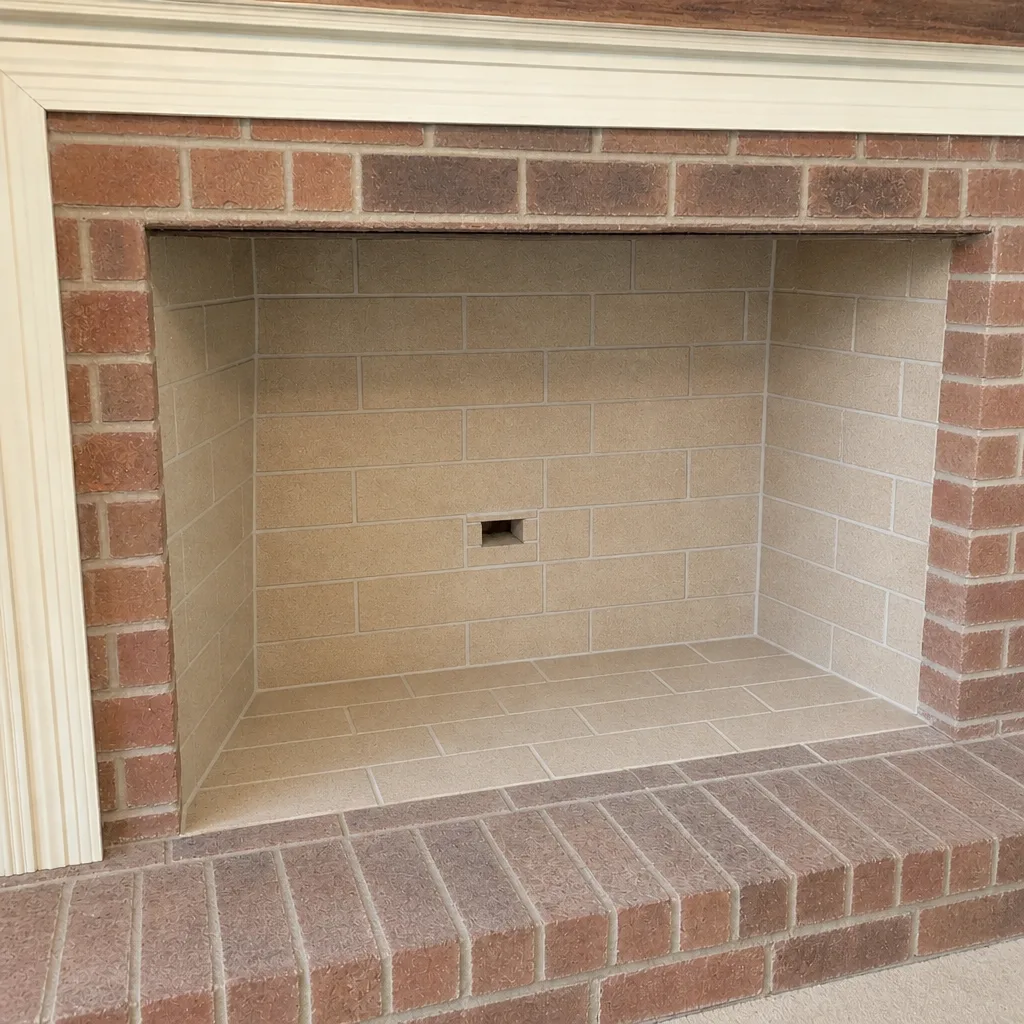
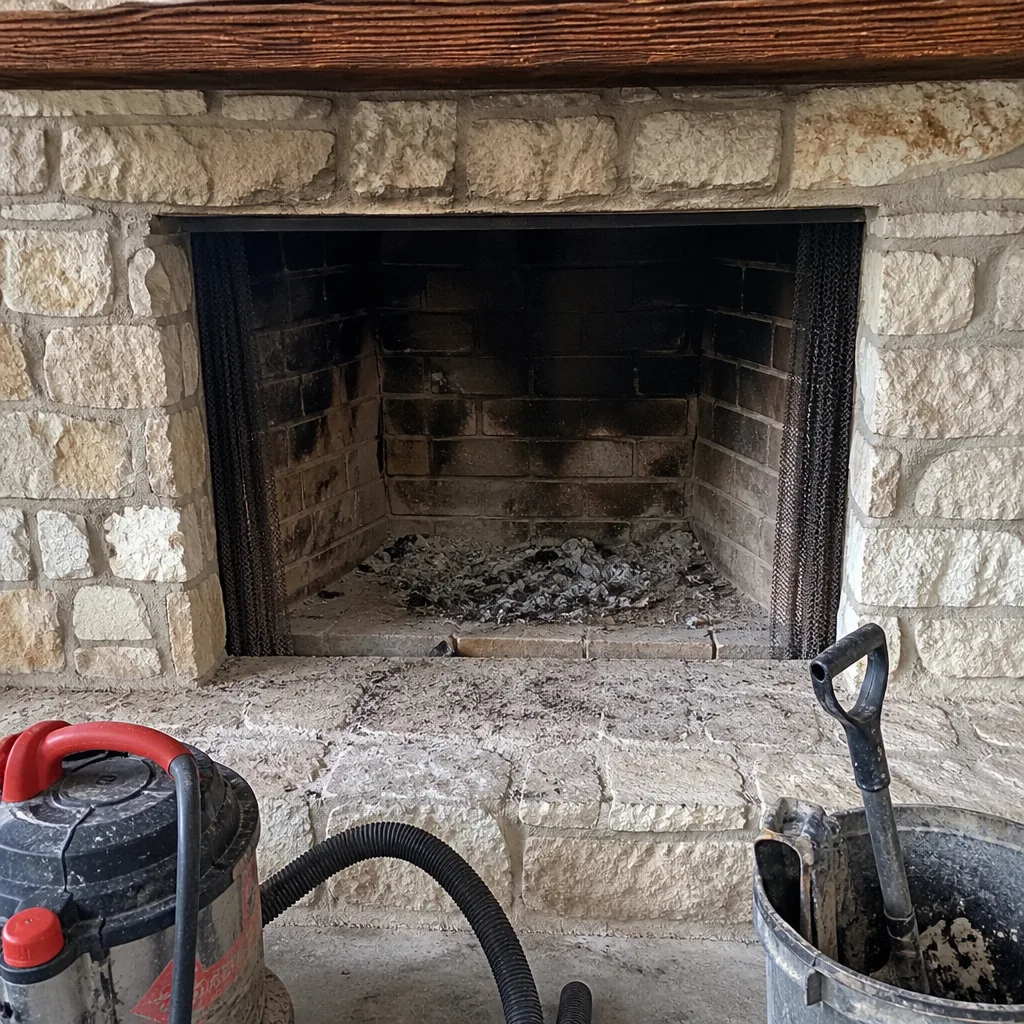
See the difference
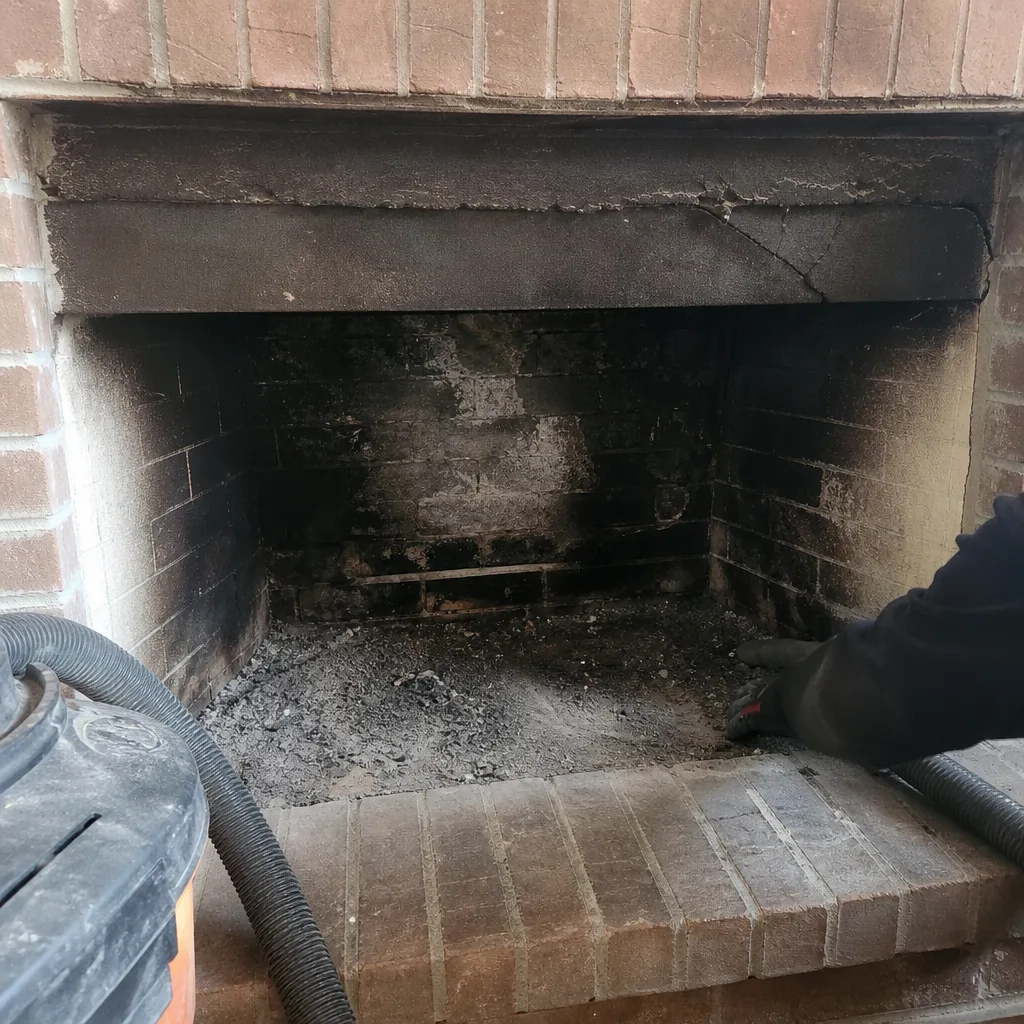 Before
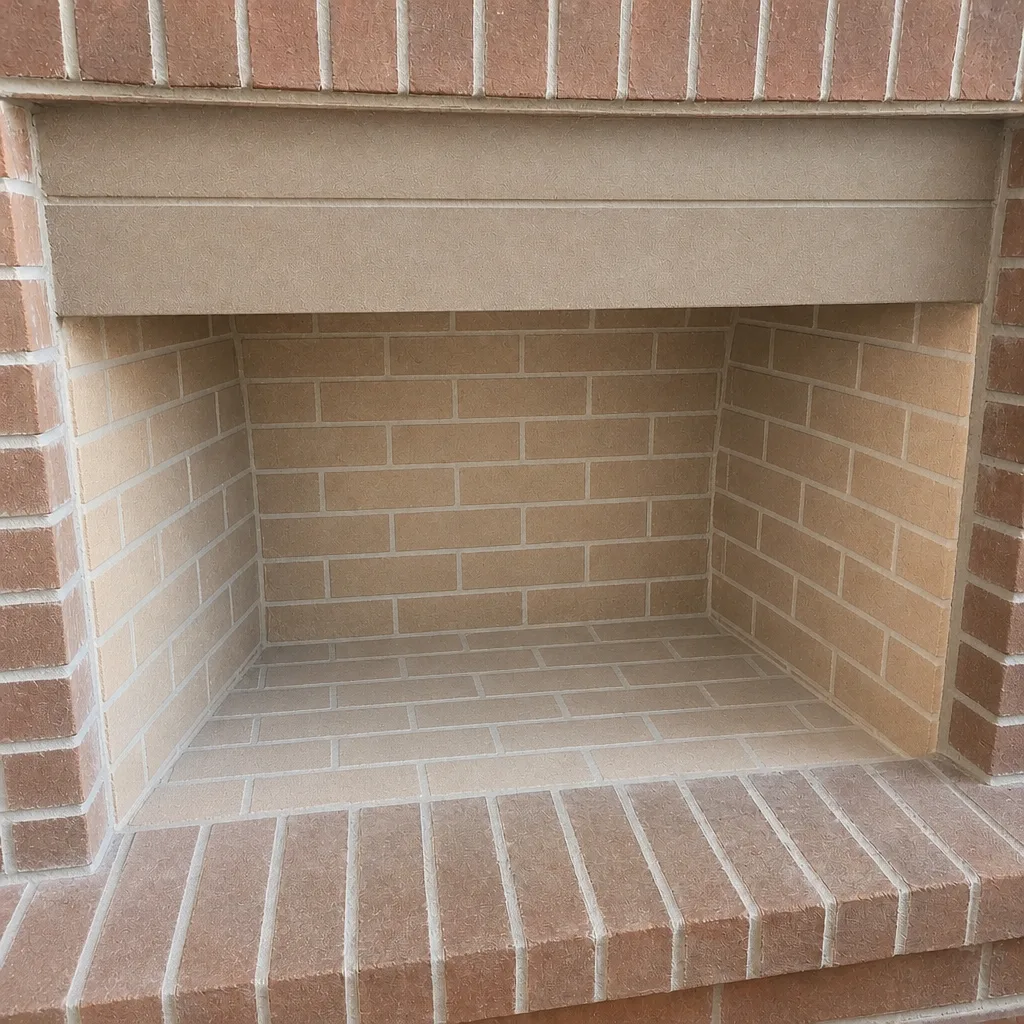 After
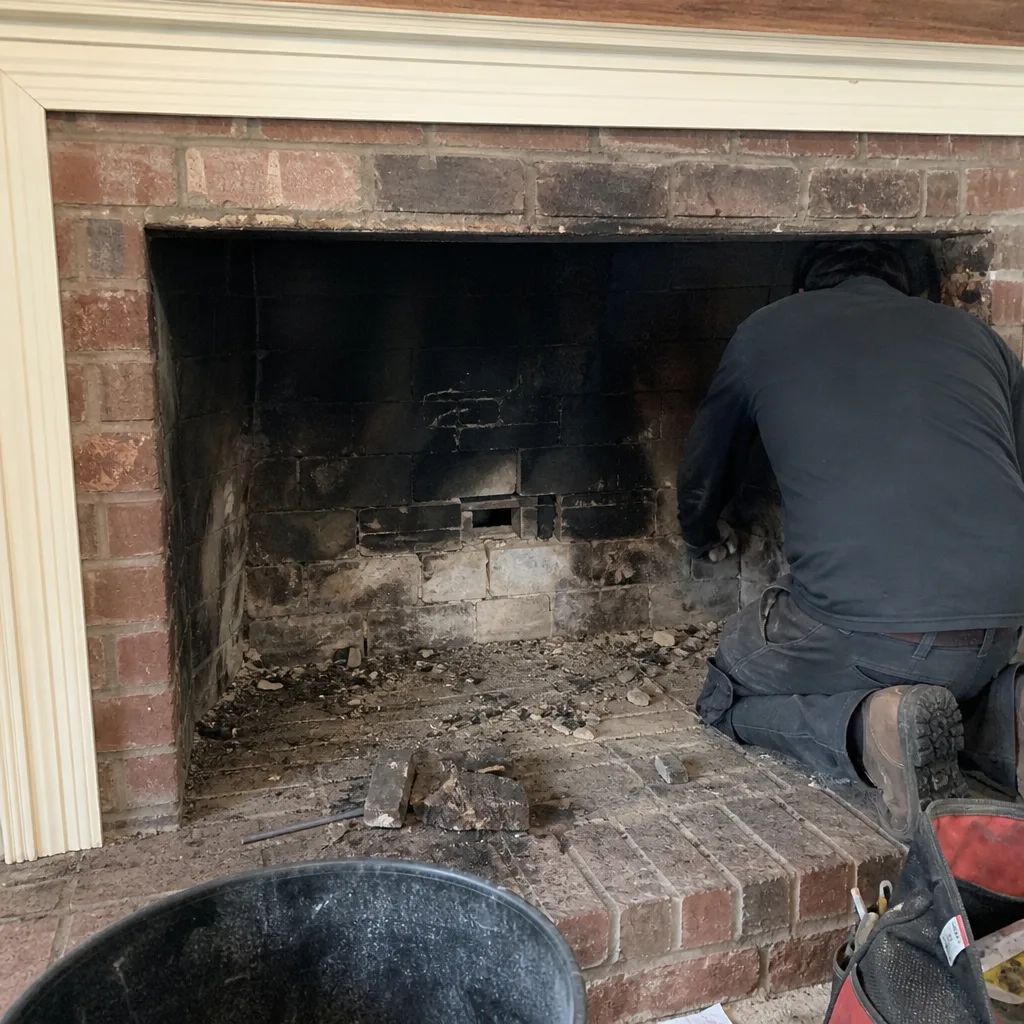 Before
 After
 Before
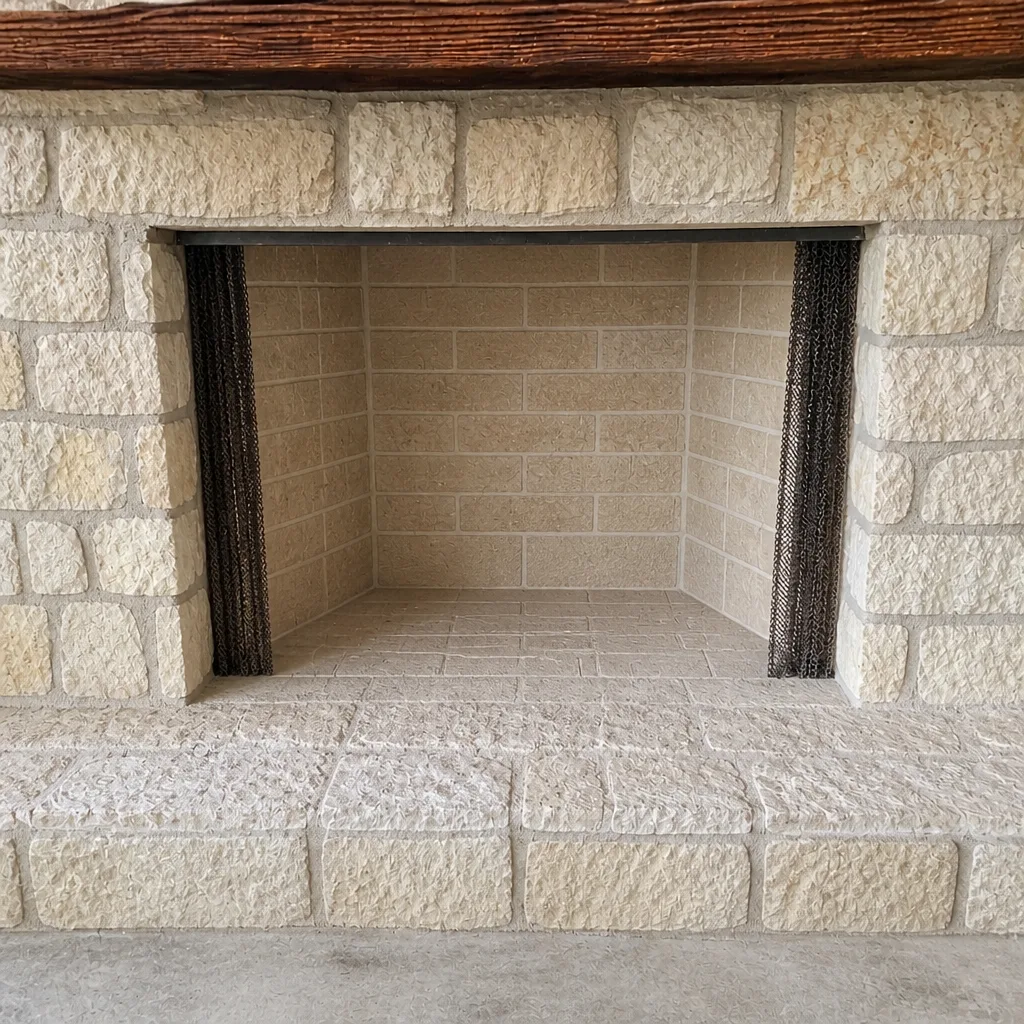 After
When to Call a Professional
Call a professional for any chimney fire, any suspected CO event, any post-storm inspection, and any new fireplace installation or appliance change. Call us if you smell smoke in rooms away from the fireplace, if you hear a rumble or crackling that stops when the fire does not, if a CO alarm has gone off, or if you’ve relit a fireplace after a fire without a Level 2 inspection. Call us before you sell a home and need documentation for the buyer. For a routine yearly sweep or a dryer vent check, call in the off-season so the appointment is easier to schedule. League City Chimney Cleaning offers free estimates in League City – call (866) 819-7336. We answer 24/7. Fast dispatch from 7am to 7pm, Sunday through Friday.
Frequently Asked Questions
Get everyone out of the house immediately, call 911, and then call a chimney professional. Don’t try to extinguish the fire yourself from the firebox, and don’t wait to see if it gets worse. Once the fire department clears the home, the next step is a Level 2 inspection before any relighting. Call (866) 819-7336 for the post-emergency inspection. Estimates are free.
Yes. Gas fireplaces and gas log sets vent through the chimney, and a blocked or compromised flue can send carbon monoxide into the living space just as easily as a wood fire can. Gas appliance inspection should include checking the draft, the flue, and the venting connections. If you haven’t had a gas fireplace inspected, schedule one before you use it this season. Call (866) 819-7336.
A Level 1 is a routine annual sweep and visual inspection of accessible parts. A Level 2 is a comprehensive inspection that includes a video scan of the flue interior, and it’s required after a chimney fire, a storm, a fuel change, or before a home sale. If you’re not sure which you need, a Level 2 is the safe choice after any incident. Call us and we’ll tell you straight.
No. Even a chimney fire that seemed minor can crack a flue liner, and a cracked liner is the pathway for carbon monoxide into the living space. A Level 2 inspection is what determines whether the flue is safe to use or needs repair or resurfacing. Don’t relight until that inspection is done. Call (866) 819-7336 for a free estimate.
Yes. Wind-driven debris can drop into the flue, dislodge a cap, crack a crown, or shift the liner, and often there’s no obvious sign from the ground. Post-storm inspection is the only reliable check. If a storm has passed through the League City area and you’re not sure of the condition, book an inspection before your next fire. Call (866) 819-7336.
Have your system type (wood, gas, insert, or furnace flue), your last service date, any component brands you know, and a basic description of what happened. That detail makes the first visit more efficient. You don’t need every answer ready. Call (866) 819-7336. We answer 24/7 and fast dispatch runs from 7am to 7pm, Sunday through Friday.
The Bottom Line
Chimney emergencies in League City are predictable and largely preventable, which means preparedness is the real protection. Know the early signs, rehearse the three-step response, take gas fireplace CO risk seriously, inspect after every storm, and never relight before a Level 2 inspection. Keep the documentation your insurer will want. Get the annual sweep and dryer vent cleaning done in the same visit. If you follow the rhythm in this guide, the worst case is an inconvenience; if you skip it, you’re carrying risks you don’t need to. Ready to schedule? Call (866) 819-7336 for a free estimate and we’ll get you on the calendar. Have a question about an active situation right now? Call. We answer 24/7. Fast dispatch from 7am to 7pm, Sunday through Friday.
Written by the team at League City Chimney Cleaning.