
Last updated November 15, 2026
 Sweep & inspection
 Caps & crowns
 Flue relining
 Masonry repair
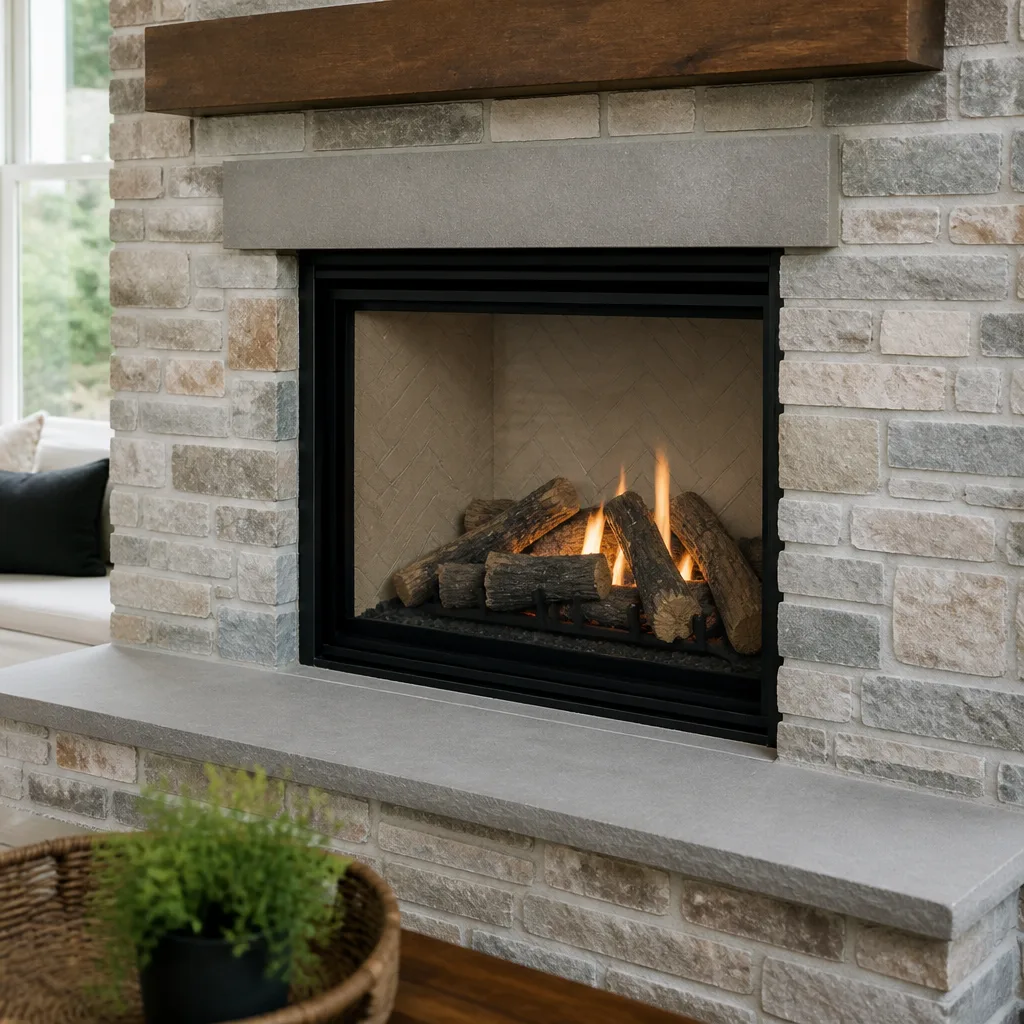 Gas fireplace service
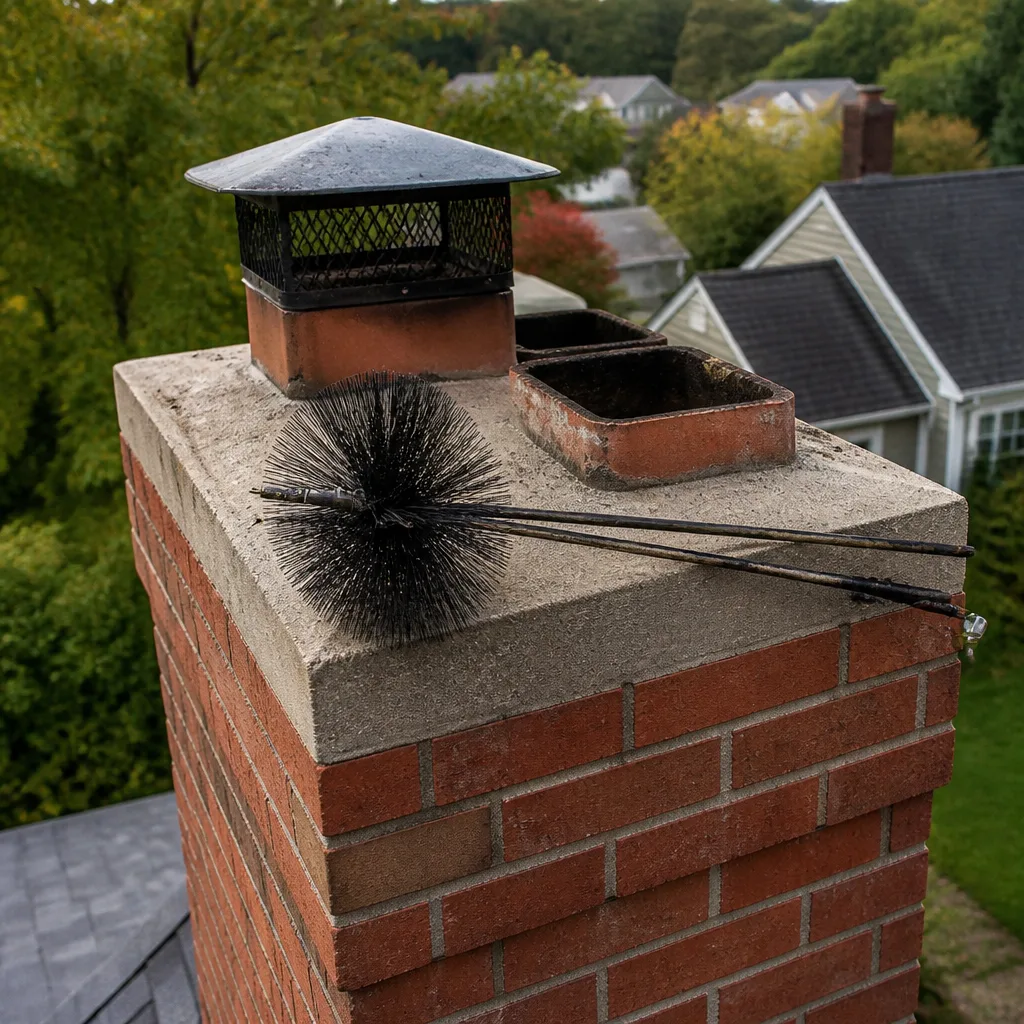
Level 1 sweep and inspection to the NFPA 211 annual standard - flue, crown, cap, and flashing checked and photographed
Chimney sweep logs do not sweep chimneys. They loosen some creosote - which then falls where a brush and vacuum still have to collect it.
Chimney Sweep Maintenance Schedule: What to Do and When
If you only use your fireplace five or six times a year, you might assume you can skip annual service. The opposite is usually true. Low-use wood fireplaces often develop moisture damage faster than heavily used ones, because they sit damp and unheated for months while the masonry slowly draws in humid air. A busy fireplace at least gets dried out by its own fires. A quiet one just sits there, collecting condensation and creosote that never gets a chance to burn off cleanly. That’s the part most maintenance calendars miss, and it’s why a generic “sweep once a year” rule doesn’t fit every home in League City. This guide builds a schedule around how you actually use your fireplace: wood, gas, or decorative, high-use or barely-touched.
Quick Answer
Most wood-burning chimneys need a sweep once a year, or sooner if creosote builds up to about an eighth of an inch. Gas and decorative fireplaces need an annual inspection even though they produce little or no creosote. In League City, the smart window to book a sweep is late summer or early fall, before your short burn season starts, not in the middle of it.
Styles & brands we work with
- Sweep & inspection
- Caps & crowns
- Flue relining
- Masonry repair
- Gas fireplace service
Table of Contents
- Why a Fixed Annual Schedule Falls Short
- The Wood-Burning Fireplace Timeline
- The Gas Fireplace Timeline
- The Decorative Fireplace Timeline
- The Pre-Season Window: Why September Beats December
- Monthly Checks You Can Do vs. What Needs a Pro
- Fitting Dryer Vent Cleaning Into the Same Calendar
- Post-Storm Inspection Triggers
Why a Fixed Annual Schedule Falls Short
A calendar reminder that says “sweep the chimney in October” treats every home the same. In our experience, three things change what your chimney actually needs: how often you burn, what you burn, and what kind of system you have. A homeowner who lights a fire most cool evenings from November through February is putting real creosote into the flue. A homeowner who burns a handful of times around the holidays is putting in far less, but that same chimney sits idle and humid for the rest of the year.
League City’s climate shapes this more than most people realize. The long, humid stretch from spring through fall keeps masonry and metal flues damp. When a chimney isn’t heated regularly, that moisture has nowhere to go. It works into mortar joints, softens creosote into a sticky glaze, and can rust the damper or the connector on a prefab system. None of that shows up as smoke in the living room. It shows up months later as a cracked crown, a crumbling flue tile, or a draft that never quite works right.
That’s why we build the schedule around your setup instead of a single date. A wood-burning insert, a gas log set, and a decorative fireplace that never vents outdoors each need a different rhythm. The sections below lay out each one.
What every system has in common
- An annual inspection, no matter how little you burn
- A look at the cap and crown before the rainy season
- A check of the damper and firebox for rust or moisture
- A clear flue with no bird nests, leaves or debris
The Wood-Burning Fireplace Timeline
Wood-burning fireplaces carry the highest creosote load, so they need the most attention. Creosote is the tar-like residue left when wood smoke cools on the flue walls. It starts soft and flaky, then hardens into a glazed, flammable layer the longer it sits. The National Fire Protection Association’s guidance, which most chimney professionals follow, calls for an annual inspection and a sweep when creosote reaches about an eighth of an inch, or roughly a quarter inch in the flue.
Here’s how a year typically breaks down for a wood-burning home:
- Late summer (August – September): Book your sweep and inspection before the burn season starts. This is the clean slate.
- First burn of the season: Watch for smoke rollback into the room or a weak draft. Both signal a problem that should be checked.
- Mid-season: If you burn steadily, get the flue checked partway through. Heavy users sometimes need two sweeps a year.
- End of season (March – April): Do a final check and close the damper. Address any moisture issues before the humid months.
- Off-season: Keep the cap secure. Watch for water stains or rust that hint at a leaking crown.
Whether you burn hardwood or softwood matters too. Soft, resinous wood and any “green” or unseasoned wood leave more creosote than dry, seasoned hardwood. If most of what you burn is bought in small bundles rather than properly seasoned, your flue will build up faster than the once-a-year rule assumes.
If you’re not sure where your flue stands, a professional chimney sweep in League City can measure the creosote layer and tell you plainly whether you’re at the “sweep now” mark or safe for another season.
The Gas Fireplace Timeline
Gas fireplaces produce very little creosote, so a lot of homeowners assume they need no service at all. They do, just differently. A gas log set or gas insert burns clean, but it still vents through a flue, and that flue can collect dust, debris, and the byproducts of combustion. It also has components that fail quietly: the pilot, the burner, the thermocouple, and the venting itself.
What a gas system needs each year:
- An annual inspection: Check the venting, the firebox, and the burner for debris or corrosion.
- A pilot and burner check: A burner that’s out of alignment or clogged can produce carbon monoxide, which you can’t see or smell.
- A venting review: Confirm the flue is clear and pulling properly, especially if the system sits idle through the humid months.
- Glass and media cleaning: Soot and dust dull the flame and hide early signs of a problem.
Gas fireplaces are the one system where a carbon monoxide alarm matters most. If your home doesn’t have one near the fireplace, that’s a step worth taking before you ever light it. The same annual visit that inspects the fireplace can confirm the venting is sound, which is the safety outcome you care about most.
In a humid climate like League City’s, gas systems also benefit from a check in the fall right before you start using them again, since idle months let moisture and dust collect in the firebox and on the burners.
The Decorative Fireplace Timeline
Some fireplaces aren’t meant for a fire at all. A decorative or non-venting fireplace is essentially a firebox enclosure with no flue and no real combustion path, or a gas unit built to look convincing without venting outdoors. These need the least maintenance, but “least” isn’t “none.”
Here’s what a decorative fireplace needs:
- A yearly visual inspection: Check for cracks in the firebox, loose mortar, and any damage to gas connections if it’s a vent-free gas unit.
- Cleaning as needed: Dust and soot can build up on the firebox interior and any surrounding materials.
- A safety check on vent-free gas: A vent-free or ventless gas log set releases combustion byproducts into the room. That makes a carbon monoxide alarm non-negotiable, and it makes an annual professional look a smart move, not a hassle.
Even a purely decorative wood-burning firebox, one you never actually light, is worth a look each year. Cracks in the firebox lining or failing mortar can spread undetected and turn into a bigger repair later. If you’re ever unsure whether your fireplace is decorative or functional, that’s exactly the kind of question a professional inspection settles in minutes.
The Pre-Season Window: Why September Beats December
The single most useful timing decision you’ll make in League City is booking your sweep in late summer or early fall rather than waiting until the first cold snap. The reasoning is simple. League City’s burn season is short, usually a couple of cool months with scattered fires before and after. If you book the sweep in December, you’ve already burned through part of that short season, and any creosote you’ve built up has already had a few fires’ worth of chances to smolder.
A September sweep does three things at once:
- Clears the flue before the season: You start clean, so every fire that season runs on a clear flue.
- Catches damage while it’s small: The humid summer can expose a cracking crown or rusted damper before they turn into a winter problem.
- Spreads the cost: Getting the dryer vent checked at the same visit means one appointment covers both.
The other reason September beats December: scheduling. Chimney professionals in the Gulf Coast region get busy from late fall through the holidays, and an appointment made well ahead is easier to get than one squeezed into a busy week. Booking early is not about urgency. It’s about making sure the job happens before you need it, not after.
If you’ve missed the September window, it’s far from too late. A sweep done any time before your first fire of the season is still a sweep done on a clear flue. Just don’t let it slide into December by default.
Monthly Checks You Can Do vs. What Needs a Pro
Part of a good maintenance habit is knowing what’s yours to handle and what isn’t. Some checks are simple, visual, and safe. Others involve the flue, the liner, or the structure, and those belong to a trained professional, both because of the tools required and because of the injury risk.
Monthly checks you can do yourself (no tools, no climbing):
- Look at the firebox for new cracks or crumbling mortar
- Check for water stains on the ceiling or walls near the chimney
- Open the damper and confirm it moves freely
- Look up the flue with a flashlight for obvious blockages like a bird nest or leaves
- Test your smoke and carbon monoxide alarms
- Look for rust on the firebox, damper, or connector
What requires a certified sweep or technician:
- Measuring and removing creosote from the flue
- Inspecting the flue liner for cracks or gaps
- Checking the cap, crown, and flashing at the top of the chimney
- Any repair to masonry, a liner, or a prefab flue
- Diagnosing a draft or smoke problem
Never light a fire in a flue you’ve just found blocked, cracked, or damaged. A blocked or damaged flue sends carbon monoxide and smoke into your home instead of up and out. That’s the point where you stop and call for a professional inspection rather than working around it.
Fitting Dryer Vent Cleaning Into the Same Calendar
Dryer vent cleaning tends to get treated as an unrelated chore, something you’ll get to eventually. It isn’t a separate project. It’s part of the same combustion-safety rhythm as your chimney, and it belongs in the same annual plan. A clogged dryer vent is one of the most common causes of home fires, and lint buildup is the reason. The same dry, lint-heavy conditions that clog a vent also feed a fireplace’s creosote buildup, so if you’re already scheduling an annual sweep, adding the dryer vent to that same visit makes the whole system safer at once.
How often does the dryer vent need cleaning? For most households, once a year is a good baseline. You’ll want it more often if:
- You run several loads a week
- Your dryer takes longer than it used to dry a load
- The outside vent flap doesn’t open fully when the dryer runs
- You notice lint collecting around the lint trap or behind the dryer
- You have a long or snaking vent run
Pairing the two makes sense because they’re both about moving hot, combustible exhaust safely out of your home. A single appointment that covers both is easier to keep than two separate ones, and it’s a good example of why we offer chimney sweep, chimney repair, and dryer vent cleaning together. One call covers both.
Post-Storm Inspection Triggers
Your regular schedule covers the routine. The Gulf Coast has its own reasons to call for a check outside that schedule. You don’t need a full inspection after every rain shower, but certain events are worth a closer look.
Call for a post-storm inspection if any of these happen:
- High winds or a named storm pass through: Wind can shift or loosen a chimney cap, dislodge a crown, or blow debris into the flue.
- You see a cracked or shifted cap or crown: Even a small gap lets water in, and water damage spreads.
- Debris lands on the roof or around the cap: Leaves and twigs can block the flue and cause a draft problem.
- You notice water stains inside after heavy rain: That’s a flashing or crown leak, not a fireplace issue, but it goes in the same inspection.
- Your neighbor’s chimney or roof was damaged: It’s a good cue to check yours, since the same wind hit it.
For League City homeowners, post-storm checks are cheap insurance against a problem that starts small and turns into a liner or masonry repair. If you’re unsure whether a storm warrants a look, it’s a short call to a professional rather than a guess.
Common Mistakes to Avoid
- Assuming low use means low maintenance. A fireplace used a few times a year can sit damp and develop moisture damage faster than a busy one. The yearly inspection matters more, not less, for a lightly used fireplace.
- Waiting until you want a fire to book a sweep. League City’s burn season is short, and a December booking eats into it. Schedule the sweep before the season, not after the first cold snap.
- Skipping the gas fireplace because it “burns clean.” Gas produces little creosote, but a clogged burner or a failing vent can produce carbon monoxide. An annual inspection is the safety check, not a formality.
- Treating the dryer vent as a separate project. It’s part of the same exhaust-safety rhythm, and pairing it with your yearly sweep means it actually gets done.
- Burning unseasoned or resinous wood. Green wood and softwood leave more creosote than dry hardwood, so the flue builds up faster than your annual schedule assumes.
- Ignoring the top of the chimney. The cap and crown take the brunt of the humid months. A cracked crown isn’t a cosmetic issue; it lets water into the structure.
- Diagnosing a draft problem yourself. A weak draft or smoke rollback can come from a blockage, a damaged liner, or a venting issue. Each needs a professional look, not a guess.
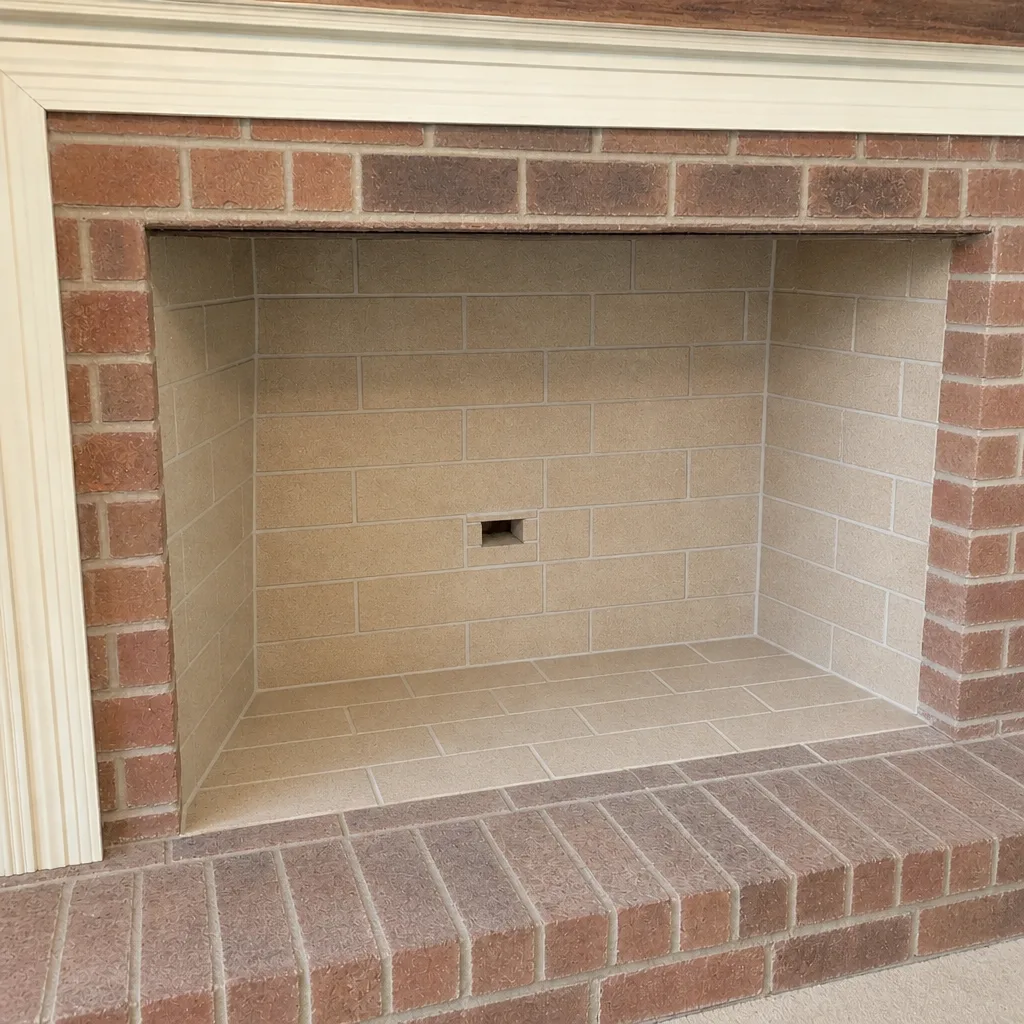
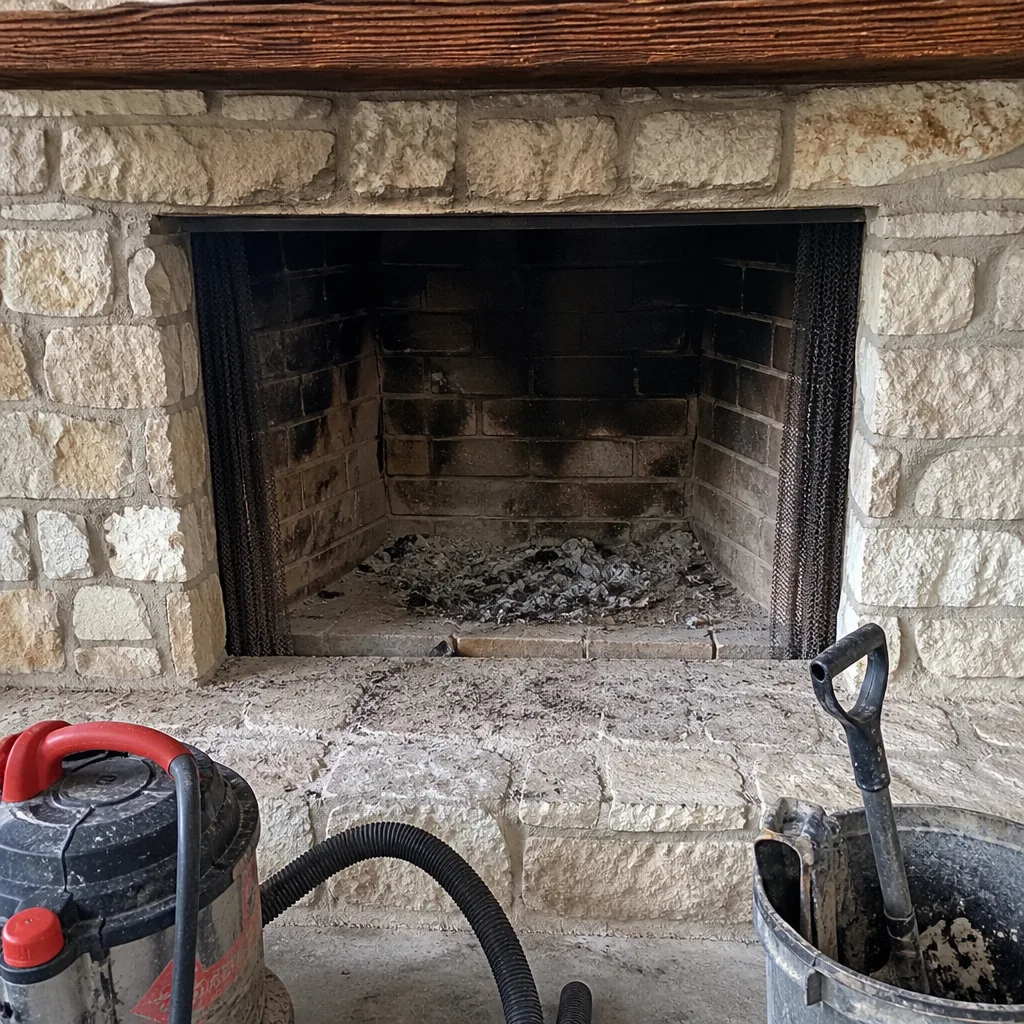
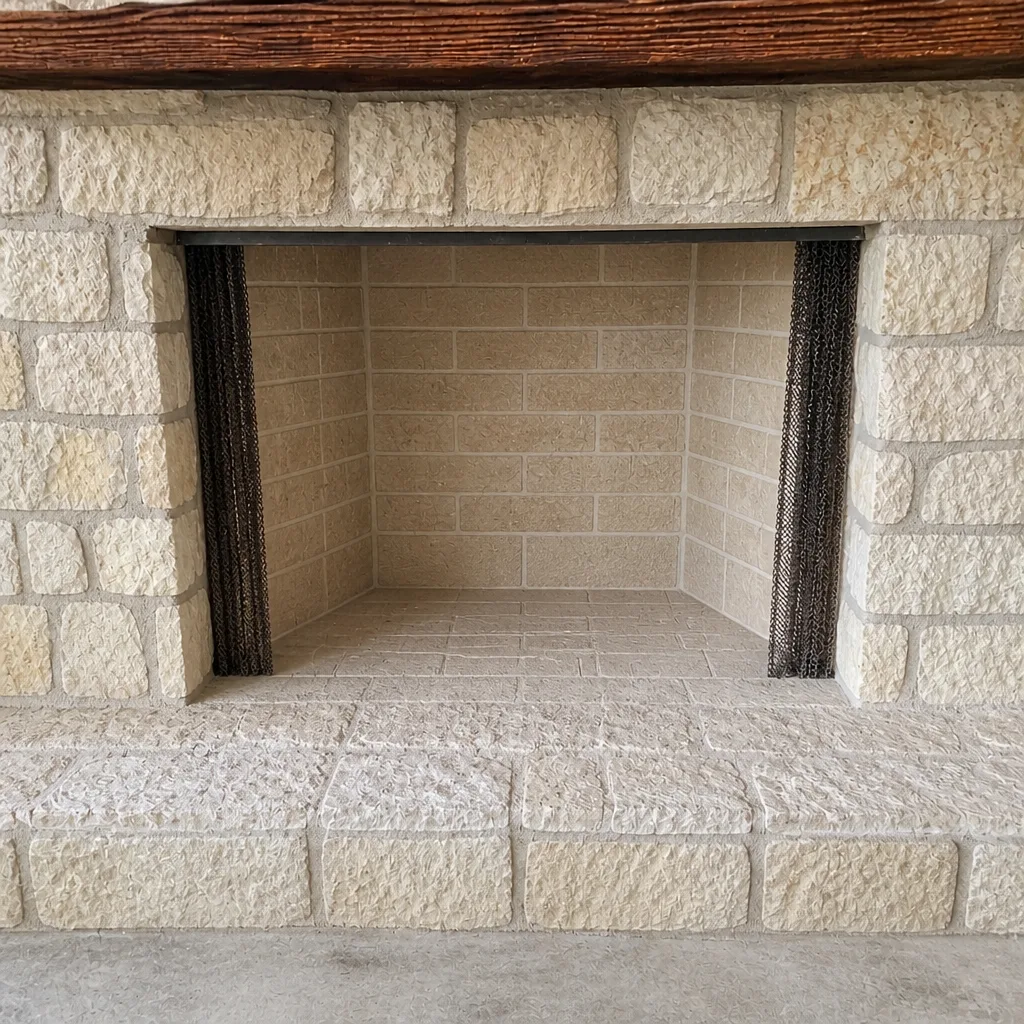
See the difference
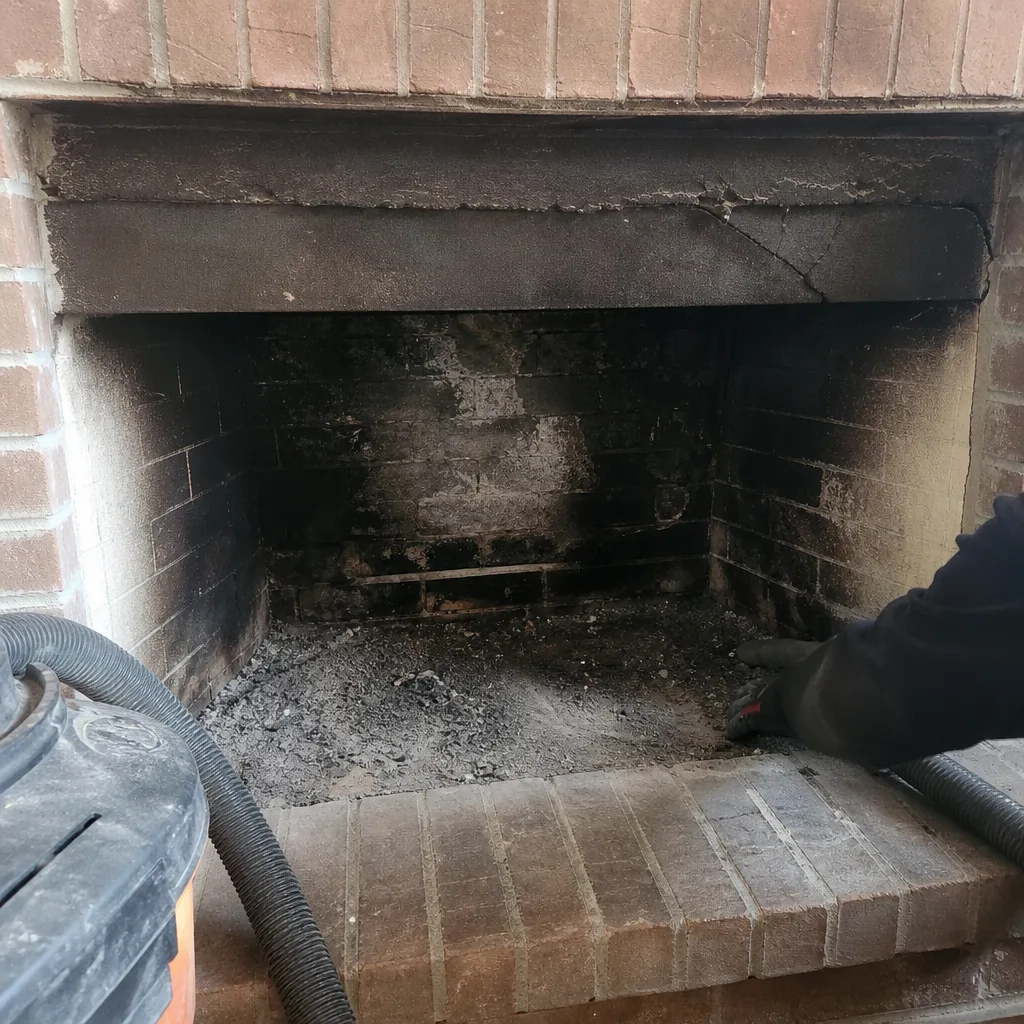 Before
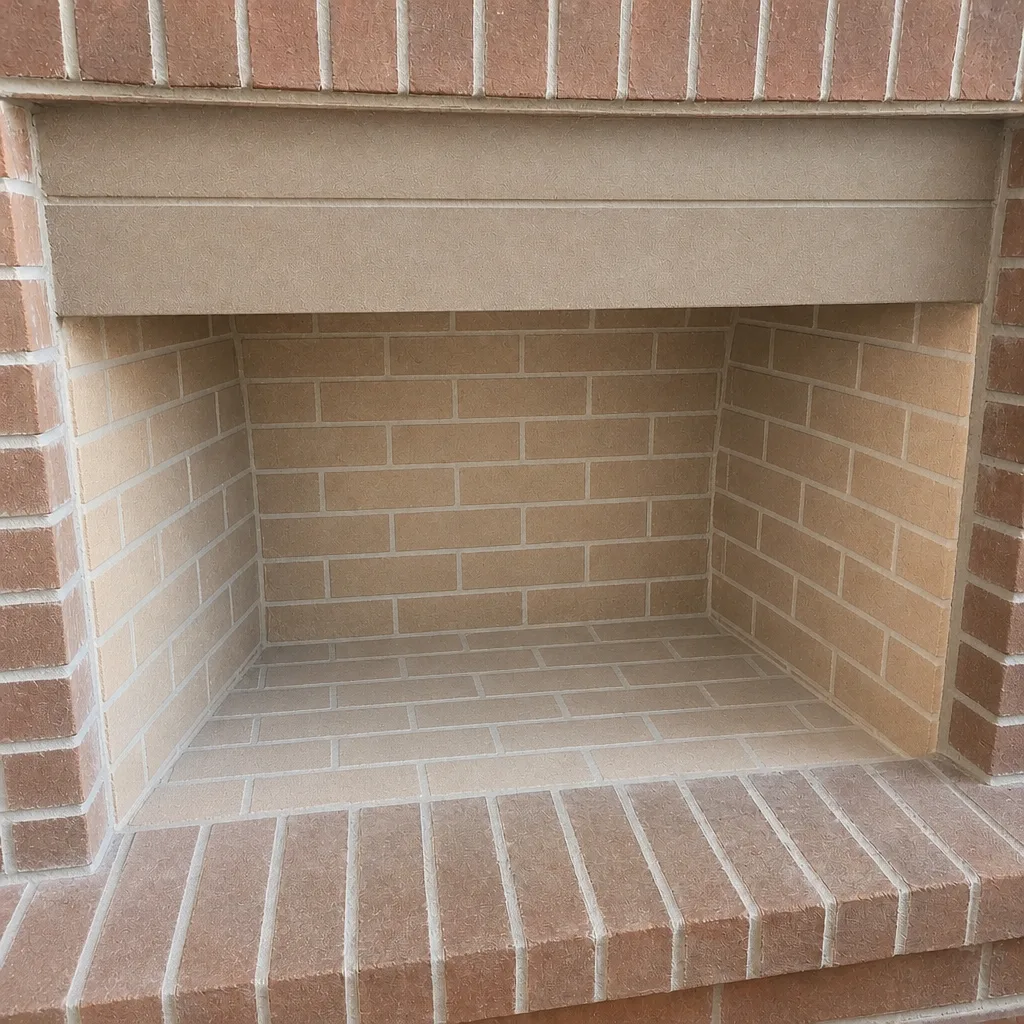 After
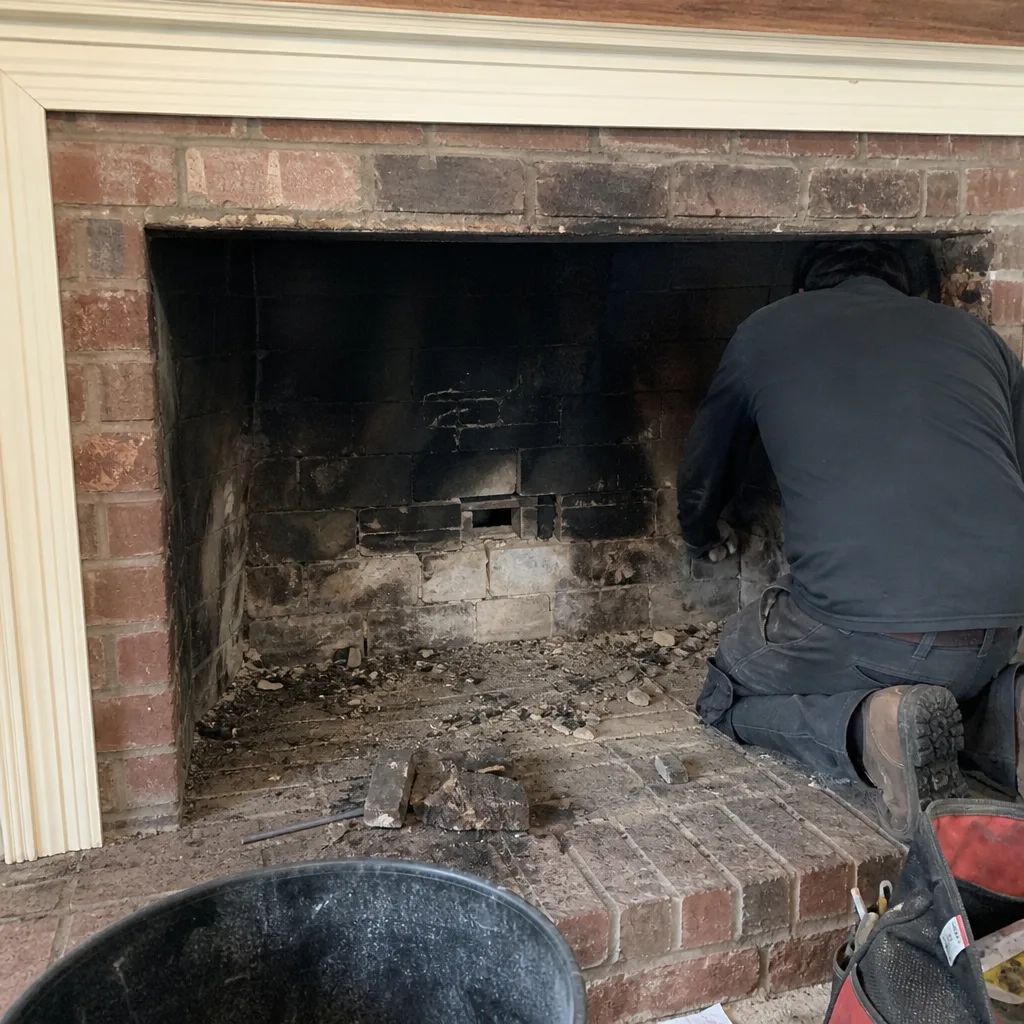 Before
 After
 Before
 After
When to Call a Professional
Call a professional when your annual inspection is due, when creosote reaches about an eighth of an inch, or when you notice any of the warning signs in this guide: smoke rolling back into the room, a weak draft, water stains near the chimney, rust in the firebox, or a cap and crown that took a hit from a storm. A blocked or damaged flue is not a do-it-yourself fix, and a gas fireplace with a carbon monoxide concern should have a professional inspection before another fire is lit. In our experience, a quick check now is far easier than a liner or masonry repair later. League City Chimney Cleaning offers free estimates in League City. Call (866) 819-7336. We answer 24/7, with fast dispatch from 7am to 7pm, Sunday through Friday.
Frequently Asked Questions
Once a year for most wood-burning chimneys, or sooner if creosote reaches about an eighth of an inch. Heavy users who burn steadily through the season sometimes need two sweeps a year. Gas and decorative fireplaces need an annual inspection rather than a sweep. Call (866) 819-7336 for a schedule that fits your setup.
Yes, and the reason is often the opposite of what people expect. A lightly used wood fireplace sits damp and unheated for months, which lets moisture damage and creosote buildup persist where a busy fireplace would dry out. A yearly inspection catches that early. Call (866) 819-7336 to book one before the season.
Late summer or early fall, ideally in September, before your burn season starts. This clears the flue before the first fire, catches summer moisture damage while it’s small, and is easier to schedule than a December appointment. Booking well ahead beats scrambling. Call (866) 819-7336 to lock in a pre-season visit.
They need an annual inspection, not a sweep. Gas produces very little creosote, but the burner, pilot, and venting can fail quietly and produce carbon monoxide. A yearly check confirms the venting is sound before you light the first fire. Call (866) 819-7336 to schedule the inspection.
It belongs in the same annual plan as your chimney sweep, since both move hot, combustible exhaust out of your home. Most households should have the dryer vent cleaned once a year, and pairing it with your sweep means one appointment covers both. We offer dryer vent cleaning in League City alongside our chimney services. Call (866) 819-7336 to put both on the same visit.
Get a professional inspection if wind or a named storm passed through, if you see a cracked or shifted cap or crown, or if debris landed on the roof or flue. These are worth a look even outside your regular schedule. Call (866) 819-7336 for a free estimate.
The Bottom Line
A chimney maintenance schedule works best when it’s built around your fireplace, not a generic date. Wood-burning systems need a yearly sweep, sometimes two. Gas systems need an annual inspection for carbon monoxide safety. Decorative fireplaces need a yearly visual check. For all of them, the smart timing in League City is late summer or early fall, before your short burn season begins. Add a monthly self-check to your routine, fold dryer vent cleaning into the same annual visit, and watch for storm damage between scheduled inspections. That schedule keeps your flue clean and your home safe, without guesswork. For a free estimate on a sweep, dryer vent cleaning, or a repair, call League City Chimney Cleaning at (866) 819-7336. We answer 24/7, and fast dispatch runs from 7am to 7pm, Sunday through Friday. You can also get to know us better and see what we cover at League City Chimney Cleaning and our League City service page.
Written by the team at League City Chimney Cleaning.