
Last updated November 15, 2026
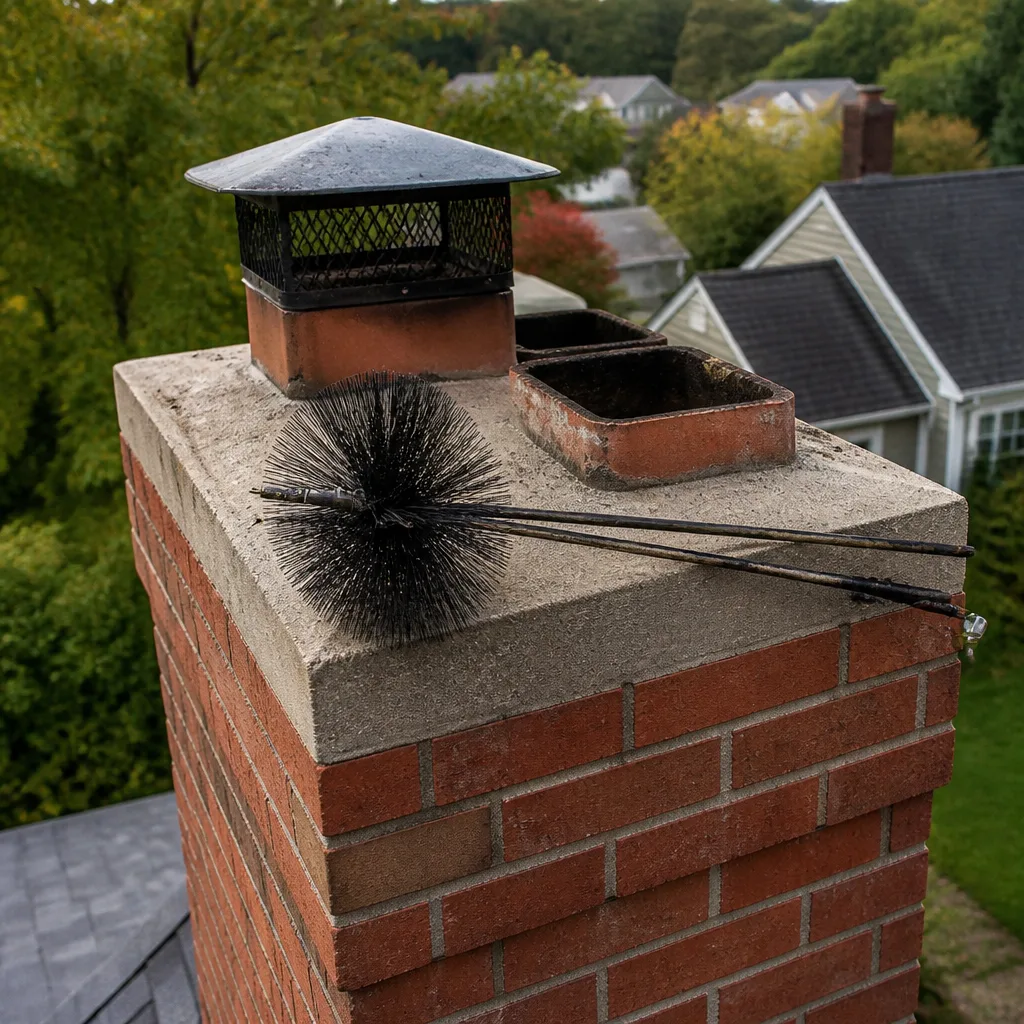 Sweep & inspection
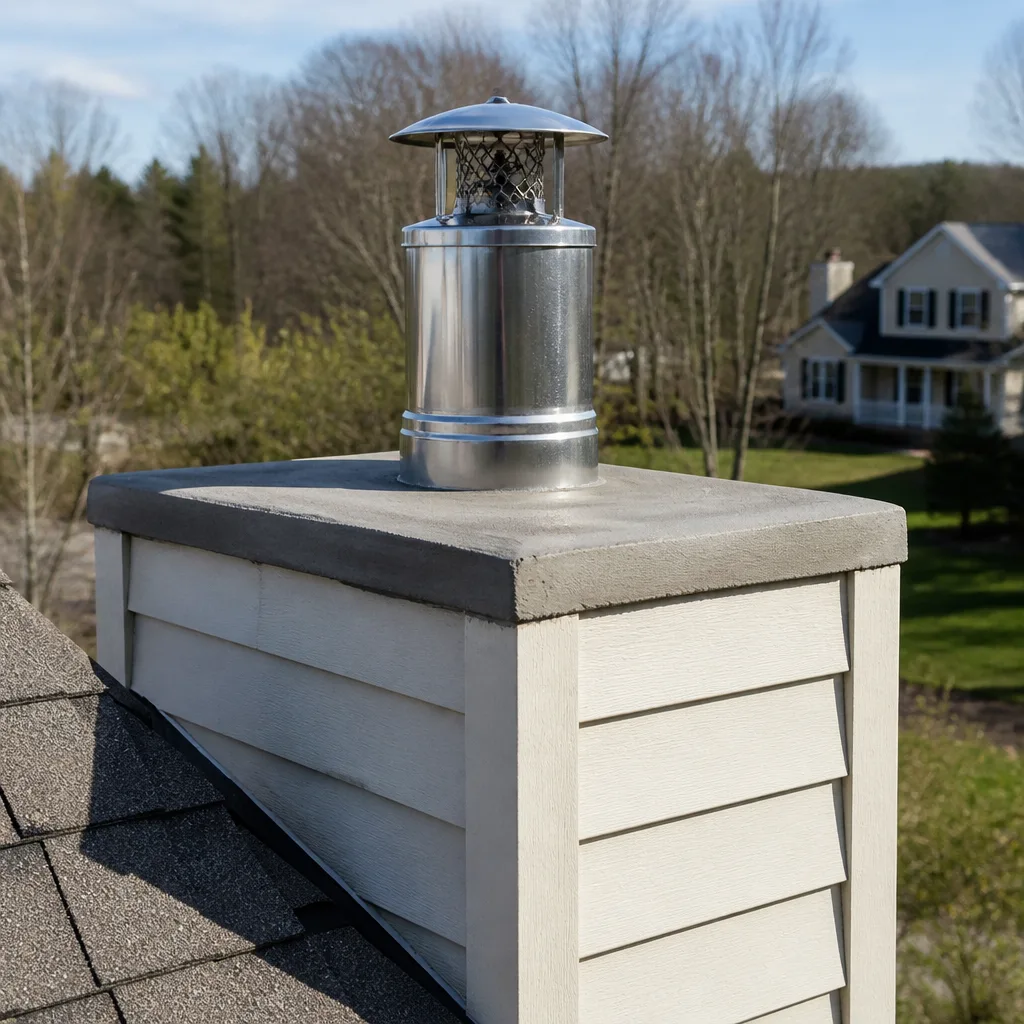
 Caps & crowns
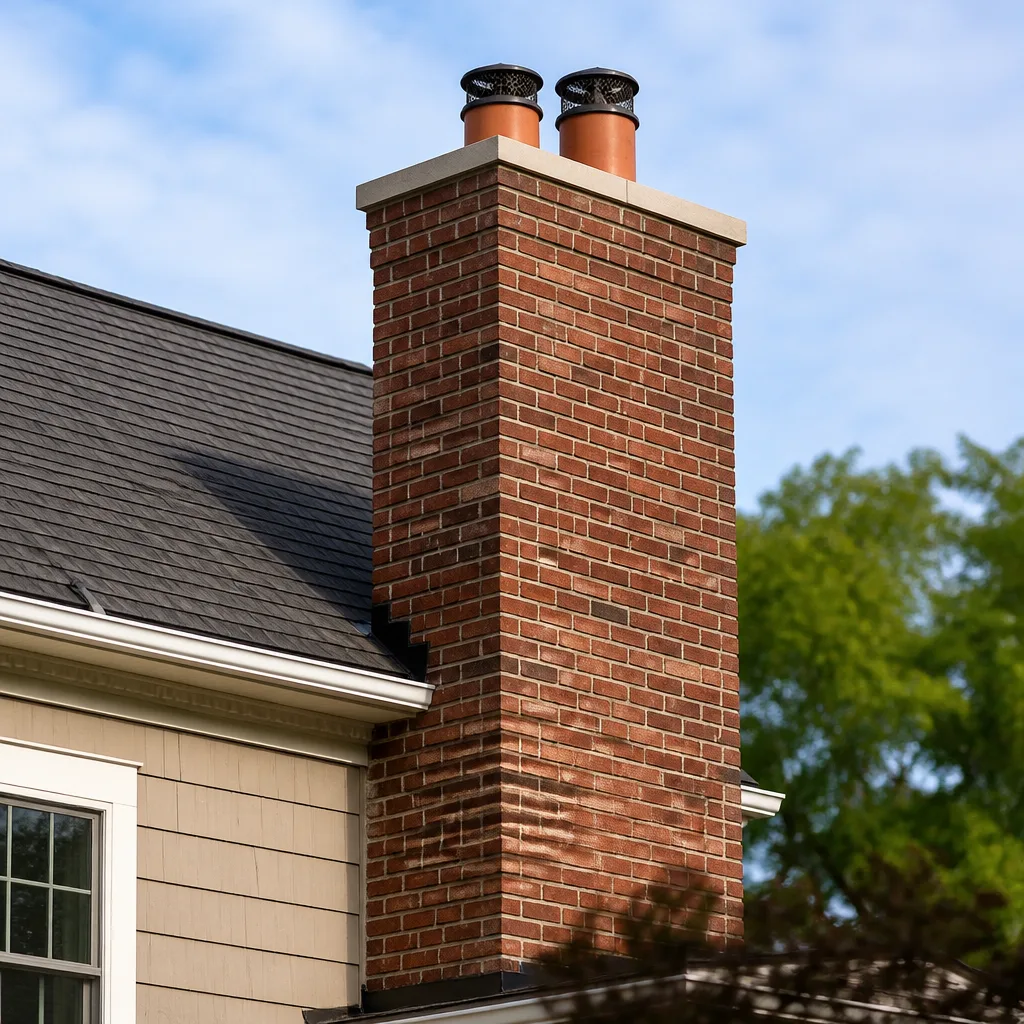
 Flue relining
 Masonry repair
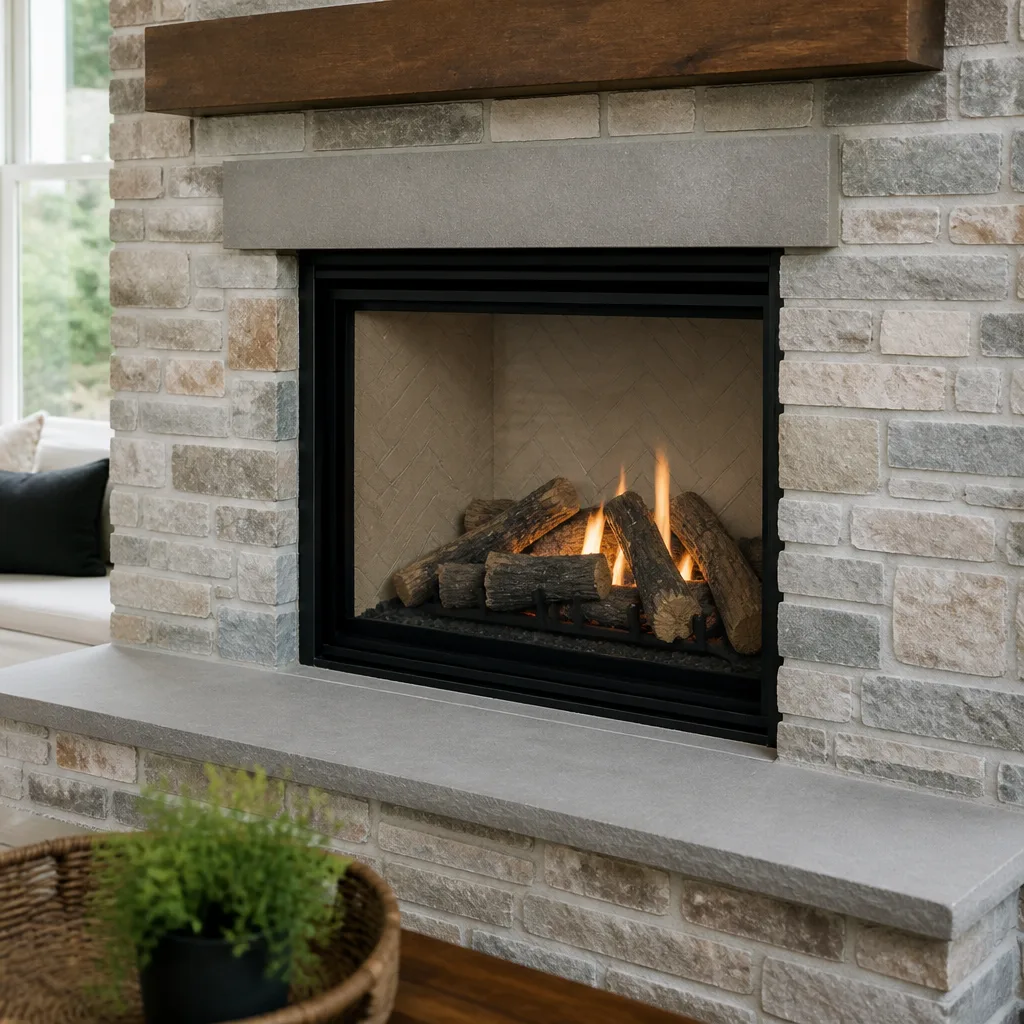 Gas fireplace service
Level 1 sweep and inspection to the NFPA 211 annual standard - flue, crown, cap, and flashing checked and photographed
Chimney sweep logs do not sweep chimneys. They loosen some creosote - which then falls where a brush and vacuum still have to collect it.
Choosing the Right Chimney Cleaning Brand: A Buyer’s Guide for League City
When a contractor replaces your chimney cap, the receipt might say “stainless steel cap” – but stainless steel is a category, not a spec. Gauge thickness, mesh size, and weld quality vary enormously between a name-brand component and a no-label import, and your flue pays the difference over time. The same holds for liners, dampers, and crown sealants. Most homeowners in League City shop for a chimney company the way they shop for a plumber: they compare hourly rates and read reviews. Almost nobody asks what brand of liner goes in. That’s backwards. The materials list is the part of the estimate that determines whether the job lasts or comes back. This guide shows you how to read that list.
Quick Answer
The right chimney company isn’t the one with the lowest quote – it’s the one whose estimate names the manufacturer, model, and spec of every component it installs. In League City, ask for brand names on caps, liners, dampers, and sealants, then verify those brands have published spec sheets and warranty documentation you can look up yourself. A vague “stainless liner” line on a quote is a warning sign; a specific brand with a gauge number is a green light.
Styles & brands we work with
- Sweep & inspection
- Caps & crowns
- Flue relining
- Masonry repair
- Gas fireplace service
Table of Contents
- Why “Standard Materials” Is a Blanket Term You Shouldn’t Accept
- The Four Component Categories Where Brand Matters Most
- How to Read a Materials Quote Like an Adjuster
- How to Verify a Brand’s Claims Before You Sign
- Why Gulf Coast Humidity Is Hard on Low-Gauge Components
- How to Ask a Contractor About Their Supply Chain
- Sweeping Brand vs. Repair Brand: Two Different Questions
- Why Chimney and Dryer Vent Brands Belong in the Same Conversation
Why “Standard Materials” Is a Blanket Term You Shouldn’t Accept
“Standard materials” on a chimney quote means the contractor will install whatever is in the supply house that morning. Sometimes that’s a solid name-brand component. Sometimes it’s an unbranded equivalent with half the metal. The homeowner can’t tell the difference from the invoice because the invoice doesn’t name the product. For a routine chimney sweep, that ambiguity costs you little – sweeping is labor and technique, not components. The moment the work involves a part that stays inside your chimney for the next twenty years, the brand question becomes the whole ballgame.
Here’s the mismatch that catches most homeowners in League City. The sweeping side of chimney work is about skill, brush selection, and understanding how a flue behaves. The repair side is about the components that get installed and how those components are engineered. Those are different skill sets, backed by different supply chains. Companies that only sweep rarely stock branded repair components because they don’t need to. Companies that repair routinely work with manufacturers who publish engineering specs, because that’s what a professional-grade installation requires.
So the first filter in choosing any company should be whether they even stock, or can source, name-brand parts. A company that works with a manufacturer like Olympia Chimney or Copperfield has access to a broad parts catalog and can match a component to your specific flue instead of forcing whatever’s on the shelf into the opening. That gives you a verifiable paper trail when the job is done: a brand name, a spec sheet, and a manufacturer warranty that means something because the manufacturer exists.
None of this makes generic parts automatically bad. It makes them unverifiable. An unbranded liner with no spec sheet can’t be checked against a manufacturer’s rating, can’t be cross-referenced against your chimney’s flue size, and can’t be claimed under any manufacturer warranty because there isn’t one. If the piece fails, you have no documented expectation of performance to point to. That’s the difference a materials list makes.
The Four Component Categories Where Brand Matters Most
Not every component in a chimney system deserves the same scrutiny. A flue brush head is a brush head. But four categories carry most of the metal that stays in place, and those are the ones where the difference between a name-brand and a no-label import has real consequences. Here’s what matters in each and why.
1. Chimney Caps
The cap is the part you can see, but it’s doing quiet work: keeping rain out, keeping birds and raccoons out, and letting combustion gases leave. A cap that’s too low-gauge will rust at the welds within a handful of years in humid League City air. Ask what gauge the metal is, what mesh size the bird screen uses, and what finish or coating is on top. A brand that publishes these specs on a datasheet is a brand you can hold to them.
2. Stainless Liner Systems
A chimney liner is the inner sleeve that contains flue gases and protects the masonry. Stainless flex liners vary in alloy grade, wall thickness, and how the seams are welded. A liner spec that just says “stainless” leaves all three questions unaddressed. Brands that build liner systems for the trade typically publish the alloy, wall thickness, and temperature rating for each model. That’s the level of detail you want before a liner goes in. Liner work is also the place where a specialist resurfacing option like HeatShield can come into play for masonry flues that are otherwise sound, and knowing the difference between a new liner and a resurfaced flue is a conversation worth having with a company that offers both.
3. Top-Mount Dampers
A top-mount damper sits at the top of the flue and seals tight when the fireplace isn’t in use. The moving parts and seal quality matter far more than the metal around them, because a damper that sticks or leaks defeats the purpose of having one. Branded dampers come with published tolerance specs and serviceable parts. Generic ones may be built to no published spec at all, which makes a repair six years from now a guess.
4. Crown Sealants
The crown is the concrete cap at the very top of the chimney, and the sealant that runs the seam between the crown and the flue keeps water out of the masonry. Humidity swings in League City put steady stress on that seal. Sealant performance varies widely between products – some are rated for UV exposure and some aren’t, some stay flexible for years and some cure brittle and crack. A branded, rated sealant is the cheapest insurance in the whole system.
If you want to go deeper on the component side, our guide to League City Chimney Cleaning covers the full range of what a chimney system contains and what service keeps each part working.
How to Read a Materials Quote Like an Adjuster
This is the practical heart of the guide. When you get a written estimate for chimney repair, don’t just look at the total. Look at what got named. Here’s a numbered checklist you can apply to any quote, from any company, in League City.
- Manufacturer name. Every repair component line on the quote should name the brand that made it. “Stainless cap” is not a brand. “Gelco” is. If a line item has no manufacturer, ask for it before you sign.
- Model or SKU. A brand name is good; a model number is better. Model numbers let you look up the exact spec sheet online. This is your cross-reference tool. If the company can’t provide a model, they may not be ordering a specific product – they may be installing whatever the supply house hands them.
- Gauge or thickness. For any metal component, the spec matters. A cap with a stated gauge number and a mesh size tells you the metal is thick enough to matter. A liner should have a stated wall thickness and alloy grade. If a quote says “heavy-duty” instead of a number, that’s marketing, not spec.
- Warranty source. Ask who warrants the component: the contractor, the manufacturer, or both. A manufacturer warranty is only meaningful if the manufacturer exists and publishes terms. Get the document, not just a verbal promise.
- Installation labor separated from materials. A quote that bundles materials into one lump number hides what you’re paying for. Ask for the materials line and labor line split out. This isn’t an adversarial request. Any company confident in its supply chain will happily itemize.
- Whether the brand matches the job. The right component depends on your flue. A DuraFlex liner system, for example, is spec’d to certain flue diameters and appliance types. If a quote specifies a brand but doesn’t tie it to your flue dimensions, ask how the sizing was determined.
If you retain one habit from the whole guide, it’s this: an itemized materials list with a manufacturer and a gauge number. That’s the entire difference between a quote you can audit and a quote you can’t.
How to Verify a Brand’s Claims Before You Sign
A real brand has a paper trail. A no-label import doesn’t. Here’s what to look for when you go to check a contractor’s component claims, and what a legitimate brand’s documentation usually contains.
- Published spec sheets. Established manufacturers publish product datasheets listing alloy grades, wall thickness, dimensions, and temperature ratings. These exist so installers can match a component to a flue. If the brand on your quote doesn’t have published specs, treat the brand as a question mark.
- Warranty documentation. A manufacturer warranty typically specifies coverage duration, what voids it, and what’s excluded. If a contractor says a component carries a manufacturer warranty, ask to see the warranty terms. “Lifetime warranty” with no document behind it isn’t a warranty, it’s a phrase.
- Installation instructions. Manufacturers publish installation requirements. An installer who knows a brand follows the manufacturer’s install spec, not a generic method. If your contractor can describe how the brand requires the component to be installed, that’s a signal they actually work with the brand regularly.
- Product origin. Some brands manufacture domestically; others source. The origin isn’t automatically a quality signal, but a manufacturer that can tell you where a component was made and to what standard is one you can hold accountable.
- Cross-reference the SKU. If you have a model number, a web search should surface the manufacturer’s own page for that product and nothing else. If a “brand” name only appears on contractor websites and not on manufacturer sites, it’s not a brand – it’s a label someone put on a generic part.
This is where domestic brands with deep catalogs help. Copperfield is a manufacturer many installers lean on for this reason: the catalog is broad, the specs are published, and an installer can match a specific part to a specific flue instead of substituting. When we’re asked why we specify certain brands rather than generic equivalents, the honest answer is that it’s what the job actually requires: a component that can be verified against a published spec and a real warranty.
Why Gulf Coast Humidity Is Hard on Low-Gauge Components
League City sits in a humid, hot, sunlight-heavy corner of Texas. Winters here are mild, so the freeze damage you hear about in northern chimney guides isn’t the local story. The local story is moisture and sun, and neither is gentle on chimney components. That changes which materials matter and how much.
Three conditions stress chimney parts in this climate:
- Sustained humidity. Relative humidity stays high through most of the year. Every metal component exposed at the top of the chimney – cap, top-mount damper, crown flashing – is in a wet environment far more of the year than in a dry climate. Low-gauge, thinly plated metal has less margin; it fails faster where the air is damp. A heavier-gauge, well-coated component holds up longer here for the same reason a heavy-gauge nail holds up longer on a humid deck.
- UV exposure. The sun at this latitude is strong, and it degrades sealants and coatings that aren’t UV-rated. A crown sealant that isn’t rated for sunlight cures brittle and cracks within a few seasons. A UV-stable sealant stays flexible. Ask what the sealant’s UV rating is before it goes on your crown.
- Heavy rain events. The Gulf Coast gets concentrated rain, and every chimney cap and crown seal is tested by it. A cap with a slightly undersized bird screen lets water spray into the flue. A crown seal that was stretched thinned fails at the joint. The brand and spec of the component determine how well it sheds that water.
The takeaway for League City homeowners: don’t apply the general “mild climate means low demands” rule to chimney components. The demands are different, not lighter. That makes specified, thicker-gauge, clearly rated parts a better long-term choice in this corner of Texas than cheap substitutes. A cap failure is a water intrusion problem, and water intrusion is how a chimney crown starts to crack in the first place.
How to Ask a Contractor About Their Supply Chain
You can ask this without sounding like you’re auditing anyone. Frame it as curiosity about the job, because that’s what it is. The way a technician responds tells you most of what you need to know. Here’s what confident, knowledgeable answers sound like versus what evasion sounds like.
What confident answers sound like
- “We use [brand] on that component because it’s spec’d for your flue size.” A technician who can name the brand and tie it to the size is working from a catalog, not a shelf.
- “Here’s the spec sheet – I’ll leave it with you.” Willingness to hand over documentation is the strongest signal. A confident company wants you to verify.
- “That component is available in two gauges. Given the humidity here, I recommend the heavier one.” Specific tradeoffs mean the technician knows the products, not just the install method.
- “If we need a part that isn’t in the catalog, we can order it – it may take longer, but it’ll be the right fit.” A company that works with a broad supply line like Olympia Chimney or Copperfield can source parts rather than force-fit a substitute.
What evasive answers sound like
- “We use the best materials available.” Nothing can be verified. That’s the point. Push for a name.
- “It’s all high-grade stainless.” Stainless is a category, not a spec. Ask for the alloy and the thickness.
- “The brand doesn’t matter – what matters is the install.” The install matters, but the brand determines whether the component performs to spec. A company dodging the brand question is often a company that doesn’t control its supply chain.
- “I don’t have the quote with me – I’ll send it later.” Fine for a first visit, but a follow-up quote with no brands on it is a warning sign. A materials list is a normal document, not a secret.
- “We’ll match whatever’s cheapest.” That’s the honest version of the wrong answer. It tells you the company is optimizing on price, not on the component.
If you ask three contractors the supply question, the answers will sort themselves. The one who names brands, hands over specs, and explains why they chose a part is the one to consider. If you want a starting point in League City, our page on League City outlines the services and brands we work with, so you can see the scope before you call.
Sweeping Brand vs. Repair Brand: Two Different Questions
League City homeowners occasionally ask which brand of brush we use for a sweep. It’s a fair question, but it’s the wrong lever. A sweep is 90% technique and inspection; the tools are a support act. A repair is the opposite. The components are the job. So the brand question needs to be asked in two separate places.
On the sweeping side, the real question is whether the company inspects while it sweeps. A competent sweep includes a look at the flue condition, the cap, the damper, and the crown, because those are the parts that fail between sweeps. Every sweep we do comes with a photo or written report of what we found, so you see what we see. That’s a service-quality question, not a brand question. If the sweep company only sweeps and doesn’t inspect or repair, it will tell you so – which means you need a second company for the parts that need fixing. That’s an extra call and an extra appointment. Knowing whether the sweeping company also does repair matters before you hire.
On the repair side, the brand question is everything. A liner, a cap, a damper, a crown – each is a component with a maker. That maker’s spec, warranty, and installation requirements determine whether the repair holds. When a company can name brands like DuraFlex, Gelco, or Olympia Chimney, it’s telling you it operates on the repair side of the trade, with a supply chain to back it. When it can’t name any brand, it may be a sweep-only shop, or a shop that installs generic parts. Either way, you want that answer before you book.
The cleanest solution is a company that does both, so the sweep and the repair share one inspection record. In this trade that’s less common than you’d think, and it’s worth looking for in League City.
Why Chimney and Dryer Vent Brands Belong in the Same Conversation
Dryer vent cleaning is the other half of the venting safety picture, and most chimney-only companies ignore it. The reasoning is simple: both the chimney flue and the dryer vent are exhaust pathways for heat and combustion products, both accumulate debris over time, and both are fire risks when neglected. A company that handles one but not the other leaves a gap in your home’s safety picture. A company that handles both can inspect them together and catch a dryer vent problem during the same visit that sweeps the chimney.
On the materials side, a dryer vent repair has the same brand-and-spec logic as a chimney repair. A dryer vent run involves rigid or semi-rigid duct, transitions, and termination hoods. A generic foil flex duct has a specific failure mode that rigid or properly rated duct doesn’t: it collapses, traps lint, and gives the fire risk a place to hide. A branded, spec’d duct holds its shape and stays cleanable. If a company tells you it will “just replace the vent,” ask what duct material it’s installing and who makes it. The answer matters as much as it does for a chimney liner.
If you’re sorting out which contractor to call first, our dryer vent cleaning page walks through what a vent inspection covers and how it connects to the chimney side of your home’s venting. Clean flue, safe home – the principle works the same on both pathways. Combining the two under one call is why a full-service venting company is worth finding in League City.
Common Mistakes to Avoid
- Accepting a quote with no manufacturer named. If a repair estimate doesn’t name the brand on each component, you have no way to check whether the part will last. Ask for names before you sign anything, and be ready to walk if the answer is “standard materials.”
- Comparing quotes on total price alone. Two quotes can differ by hundreds of dollars because one specifies a heavy-gauge branded cap and a rated crown sealant, and the other specifies the cheapest generic equivalents. Read the materials list first, then compare. The cheaper quote often isn’t the cheaper repair.
- Hiring a sweep-only company for a repair. Sweep companies are good at sweeping and may be less equipped for a branded repair job. If the work involves a new liner, cap, damper, or crown seal, ask whether the company does the repair in-house or would refer it out. That determines whether you’re dealing with one call or two.
- Skipping the dryer vent on a chimney inspection. Chimney and dryer vent health share the same fire-risk logic, and a company that only looks at one leaves a gap. Book both where possible.
- Not asking for the warranty in writing. A verbal warranty is not a warranty. If a branded component is specified, ask for the manufacturer warranty document before you book the job. If it doesn’t exist, that tells you what you need to know about the brand.
- Assuming “stainless steel” means the same thing everywhere. Stainless is a category. Alloy grade and thickness vary. In League City’s humidity, the difference between a thin 304-grade cap and a thicker, better-rated cap is a few years of service life. Ask for the gauge, not the phrase.
- Ignoring the UV rating on crown sealants. Sun exposure in this part of Texas degrades unrated sealants fast. A branded UV-rated sealant holds up; a generic gun-grade tube can crack within a couple of seasons, reopening the joint you paid to close.
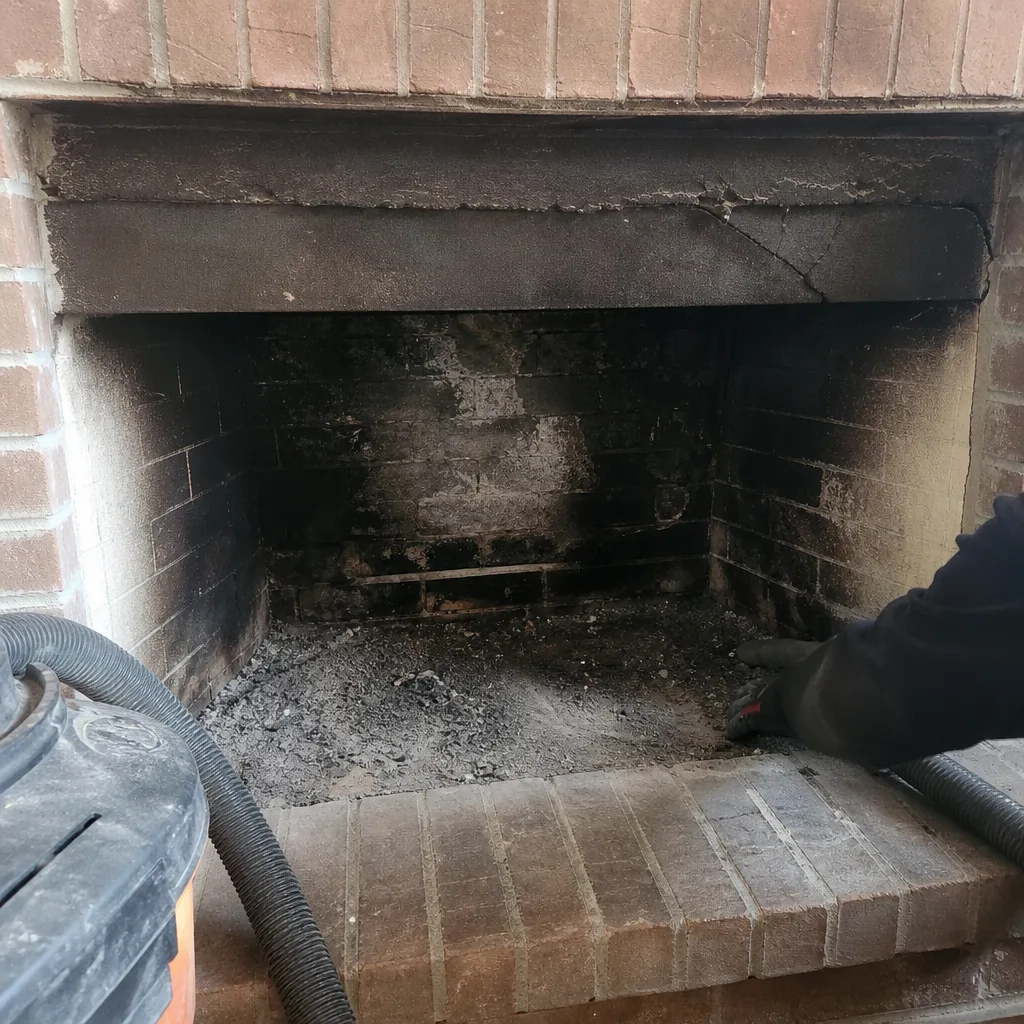
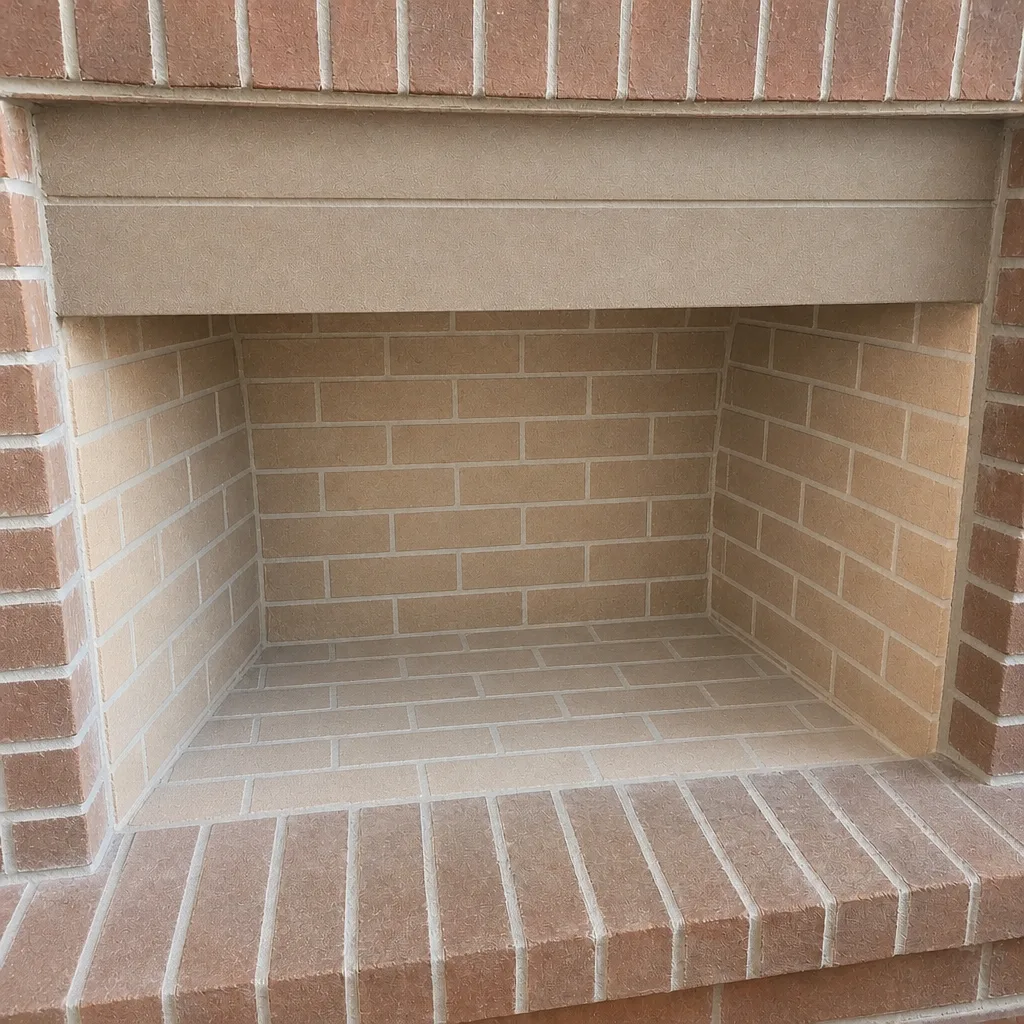
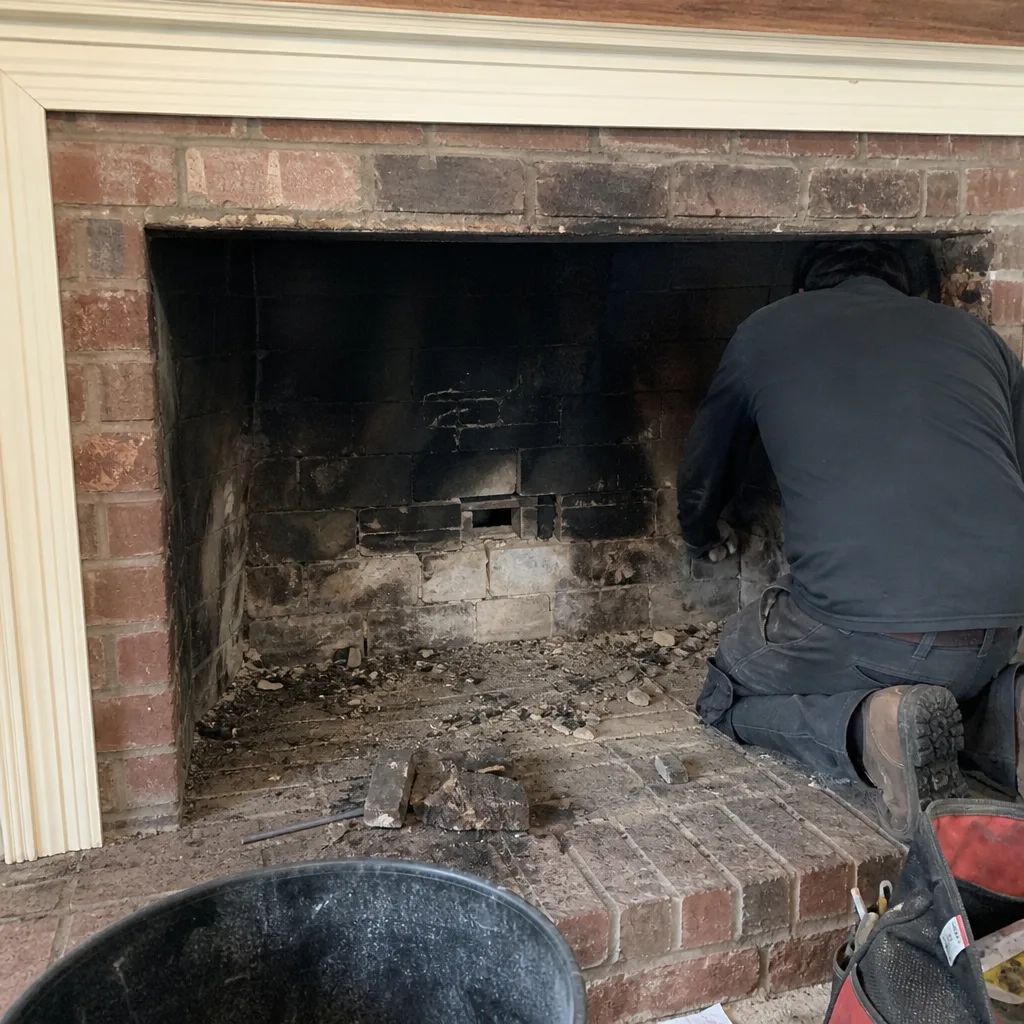
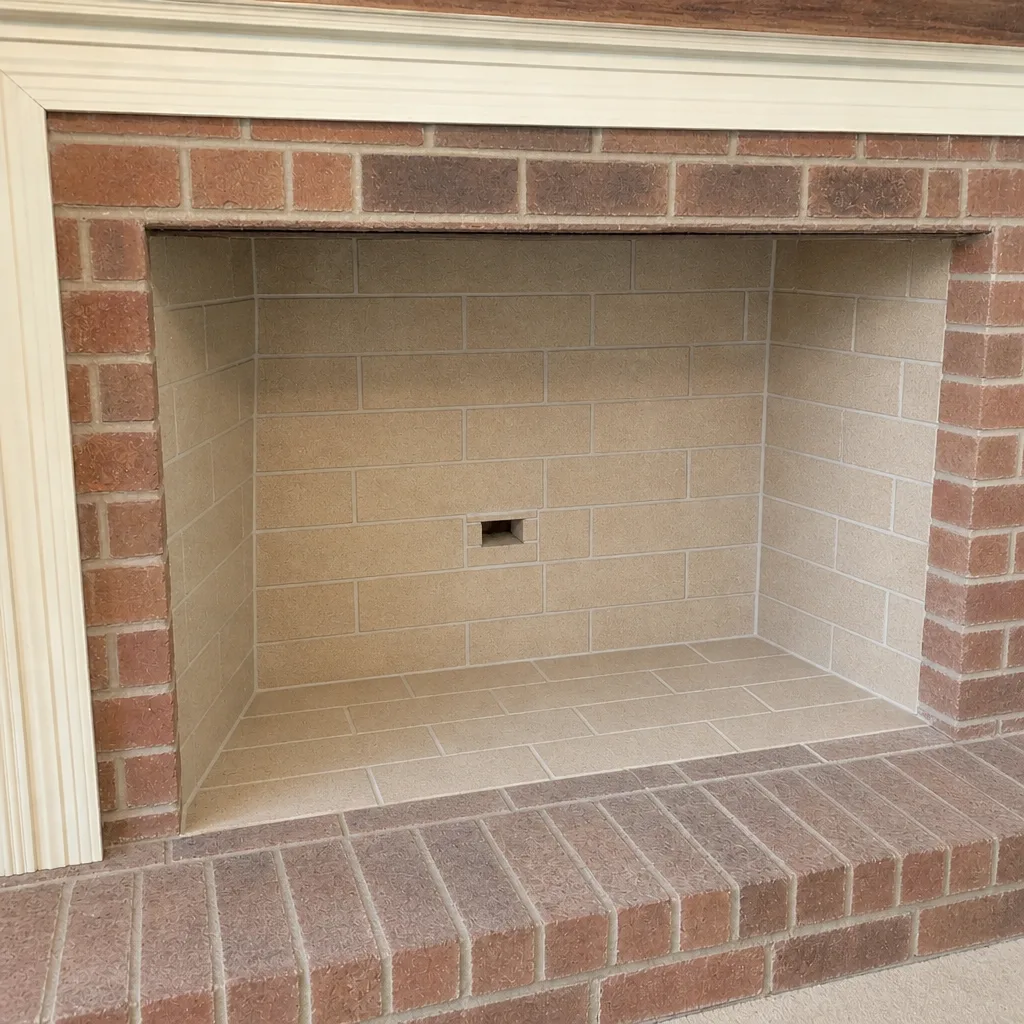
See the difference
 Before
 After
 Before
 After
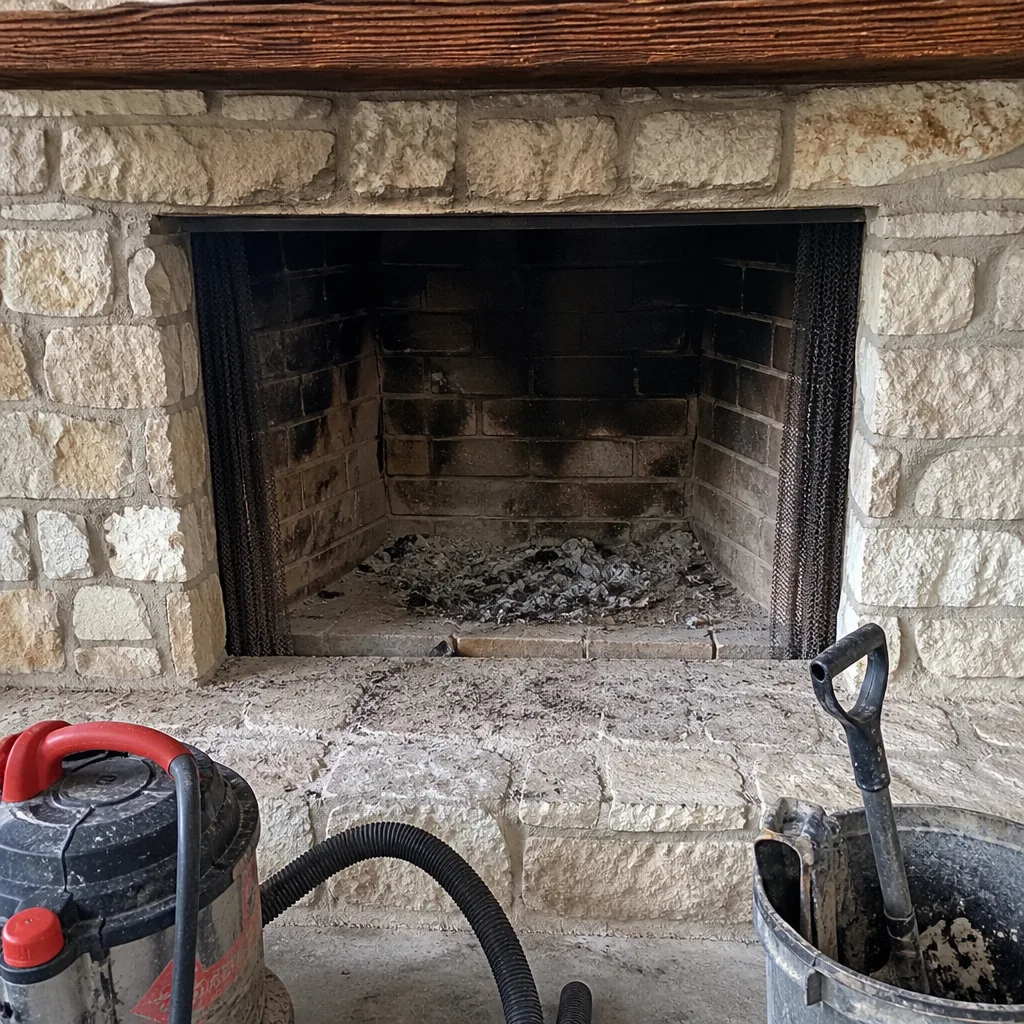 Before
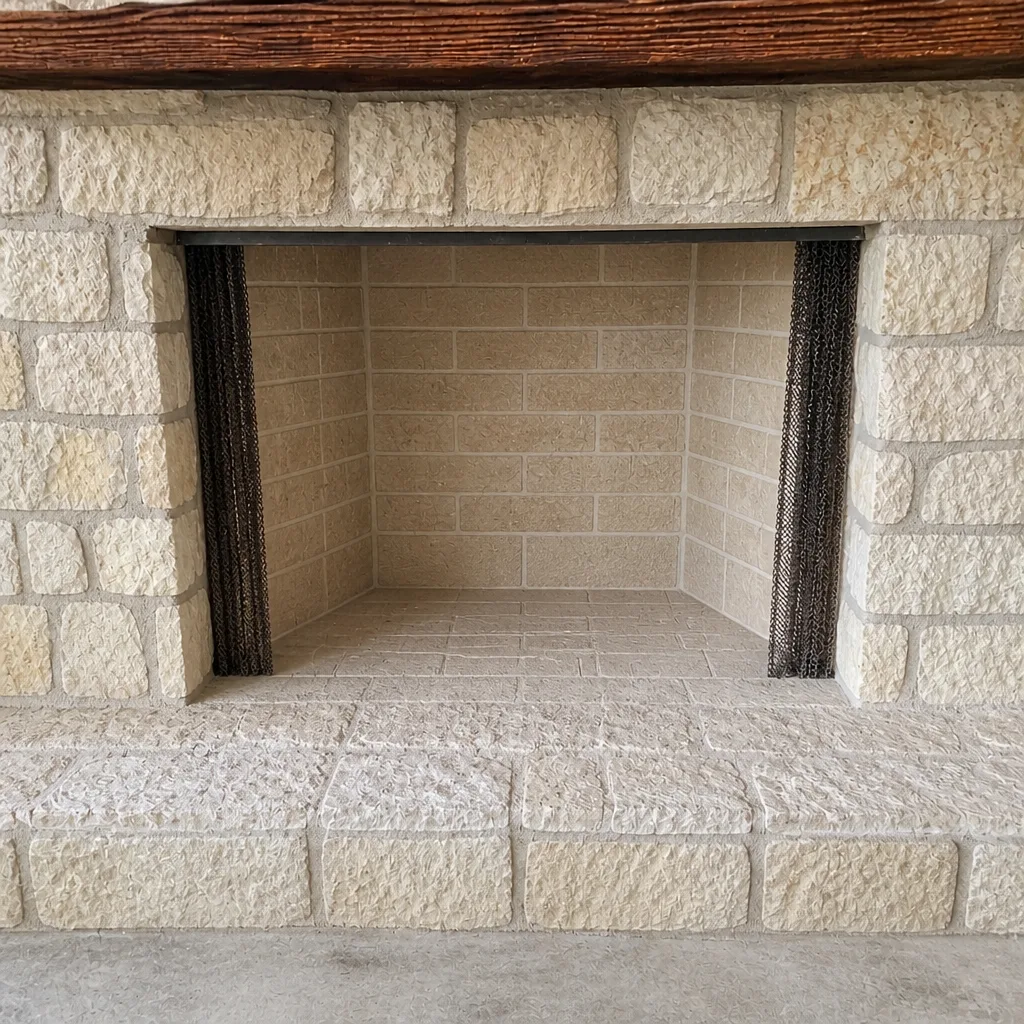 After
When to Call a Professional
The brand question matters most when something needs replacing, not just cleaning. Call a professional in these situations:
- Your chimney cap is loose, rusted, or missing, and you can see daylight or birds entering the flue.
- You’ve had a chimney fire, a chimney liner inspection recommended a repair, or a sweep told you the flue is compromised.
- Your fireplace or stove produces smoke inside the room, or the damper sticks or won’t seal.
- You haven’t had a sweep in over a year and you burn frequently, or the home is new to you.
- Your dryer is taking longer to dry clothes, or the vent duct is the flexible foil type that collapses.
In any of those situations, the first call should go to a company that will name its parts and put the estimate in writing with brands and specs. League City Chimney Cleaning offers free estimates in League City – call (866) 819-7336. We answer 24/7. Fast dispatch from 7am to 7pm, Sunday through Friday.
Frequently Asked Questions
There isn’t one “best” brand across the whole system – the right component depends on your flue size, appliance type, and the materials already in place. In practice, the brands a professional-grade installer will name on an estimate include DuraFlex for liner systems, Gelco for caps and dampers, and Olympia Chimney and Copperfield for broad component supply. What matters most is that the brand is named, spec’d, and backed by a published manufacturer warranty you can review. Call (866) 819-7336 for a free estimate and we’ll walk through brand choices for your specific chimney.
Often yes, because the extra cost is buying a spec you can verify rather than a category label. A branded cap usually publishes its gauge, mesh size, and finish rating, so you know what’s holding up under the humidity. A generic cap frequently can’t be checked against anything, and its warranty – if there is one – comes from a party you can’t look up. The cheap difference at purchase can be a repurchase within a few years. Call (866) 819-7336 for a free estimate on a branded cap replacement.
Ask for the manufacturer name, model number, and published spec sheet – a company that can’t produce all three is making claims it can’t back. Professional-grade isn’t a certification; it’s shorthand for “built to a published specification and warranted by the manufacturer.” You can confirm it by searching the brand and model number online and finding the manufacturer’s own product page. If the brand only appears on contractor sites, it isn’t a brand. Call (866) 819-7336 to see the materials list we work from.
Both matter, but they do different jobs – a skilled installer can’t make an underspec’d component last, and a branded component installed wrong will fail early. The install depends on following the manufacturer’s installation requirements, so the two are connected: a company that knows the brand well is a company that installs it to spec. In League City, humidity makes this pairing more important than in a dry climate. Call (866) 819-7336 to talk through both sides of the job.
Yes, if the company offers both services, because both are exhaust pathways for heat and combustion byproducts that accumulate debris. Dryer vents that use flexible foil duct can collapse and trap lint, creating a fire risk that a chimney-only company won’t catch. Asking about both under one call catches more problems in a single visit. Call (866) 819-7336 to book a combined inspection.
The test is whether the manufacturer publishes product specs and warranty terms you can find independently of any contractor’s website. Reputable brands have a product catalog, datasheets, and installation guidelines. Relabeled generics have a logo and little else. If the spec sheet exists and a model number maps to a real product page, you’re dealing with a real manufacturer. Call (866) 819-7336 for a free estimate and we’ll show you which brands we work with and why.
The Bottom Line
Choosing a chimney company in League City is a materials decision dressed up as a labor decision. The sweeping matters, but the components installed are what you live with for years. A branded, spec’d cap, liner, damper, or crown sealant comes with a gauge number, a spec sheet, and a manufacturer warranty you can verify. A generic equivalent comes with a label. Gulf Coast humidity magnifies the difference, and a materials list is the simplest way to tell which kind of company you’re hiring. None of this requires an adversarial conversation – a confident company will hand over the specs before you ask. The one that can’t name a brand is the one to skip. Written by the team at League City Chimney Cleaning.
Written by the team at League City Chimney Cleaning.