
Last updated November 15, 2026
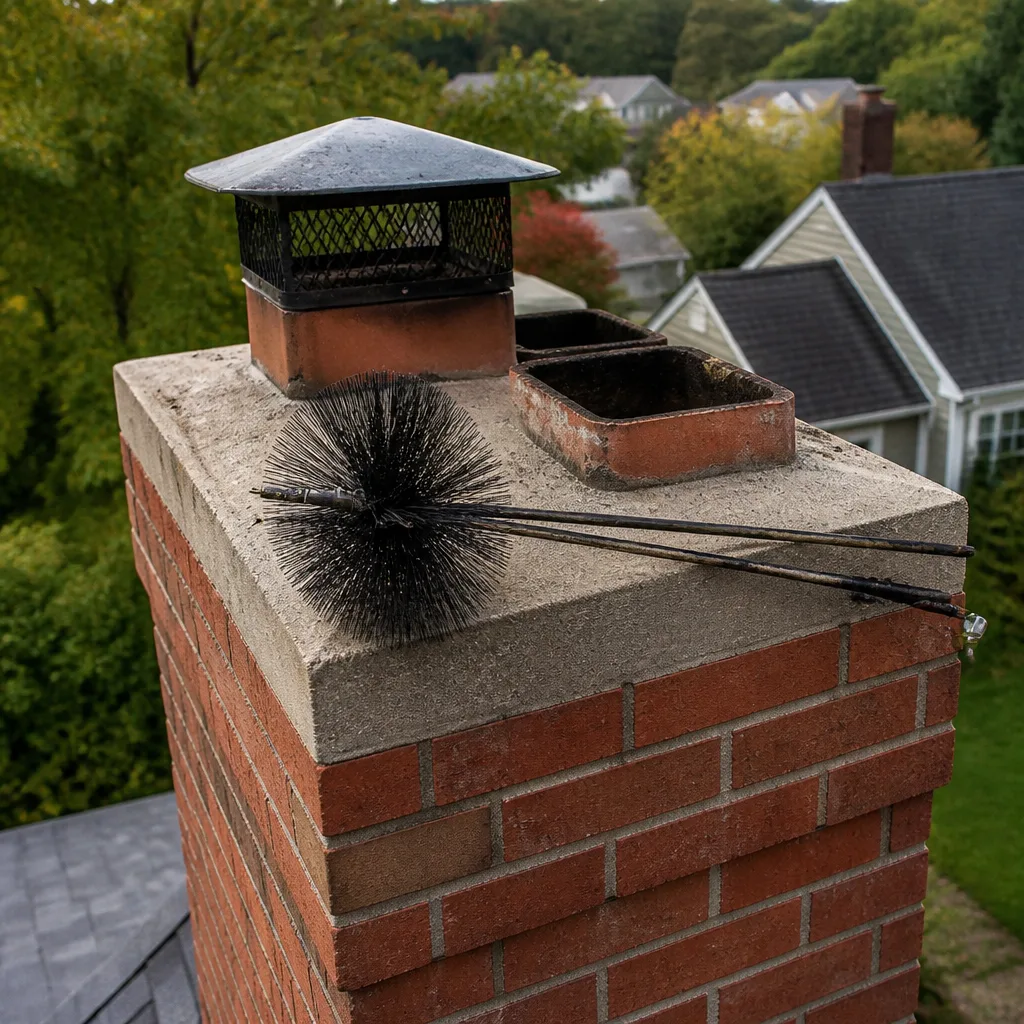 Sweep & inspection
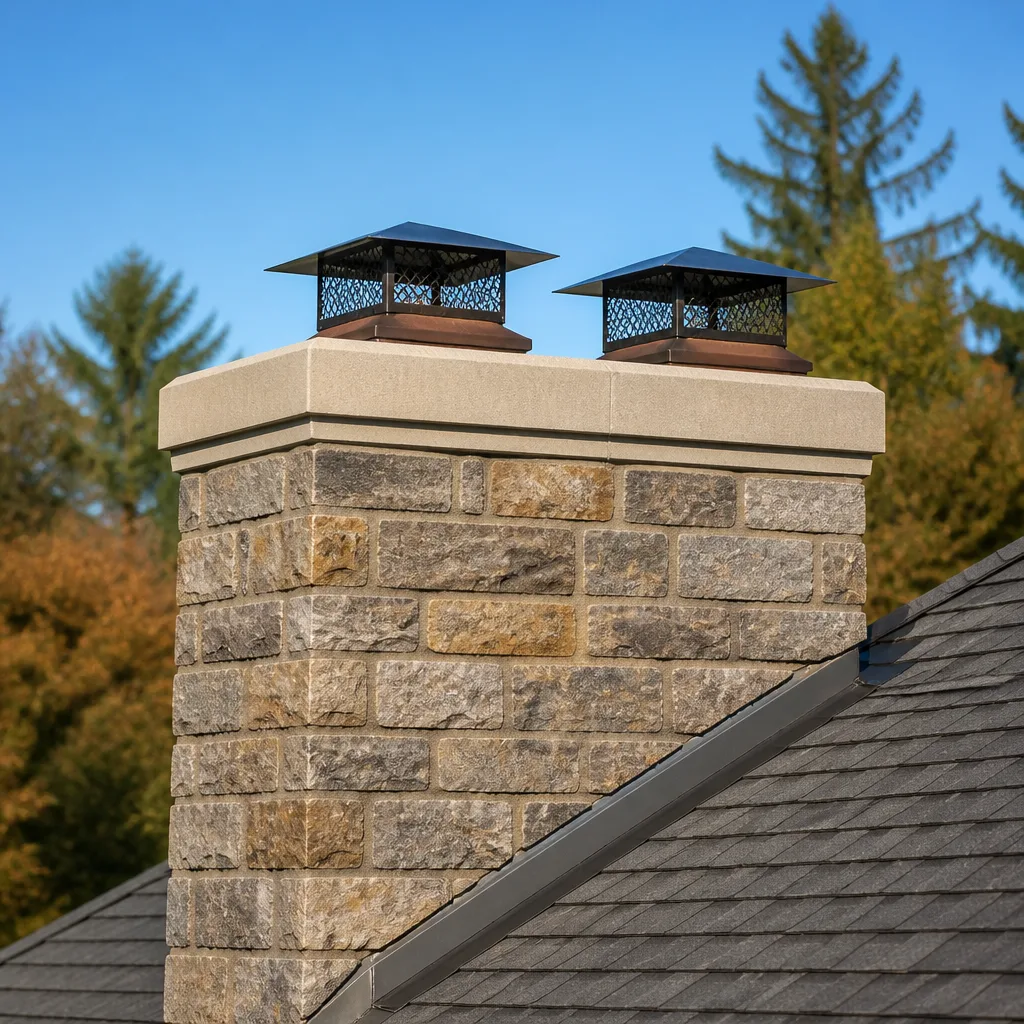 Caps & crowns
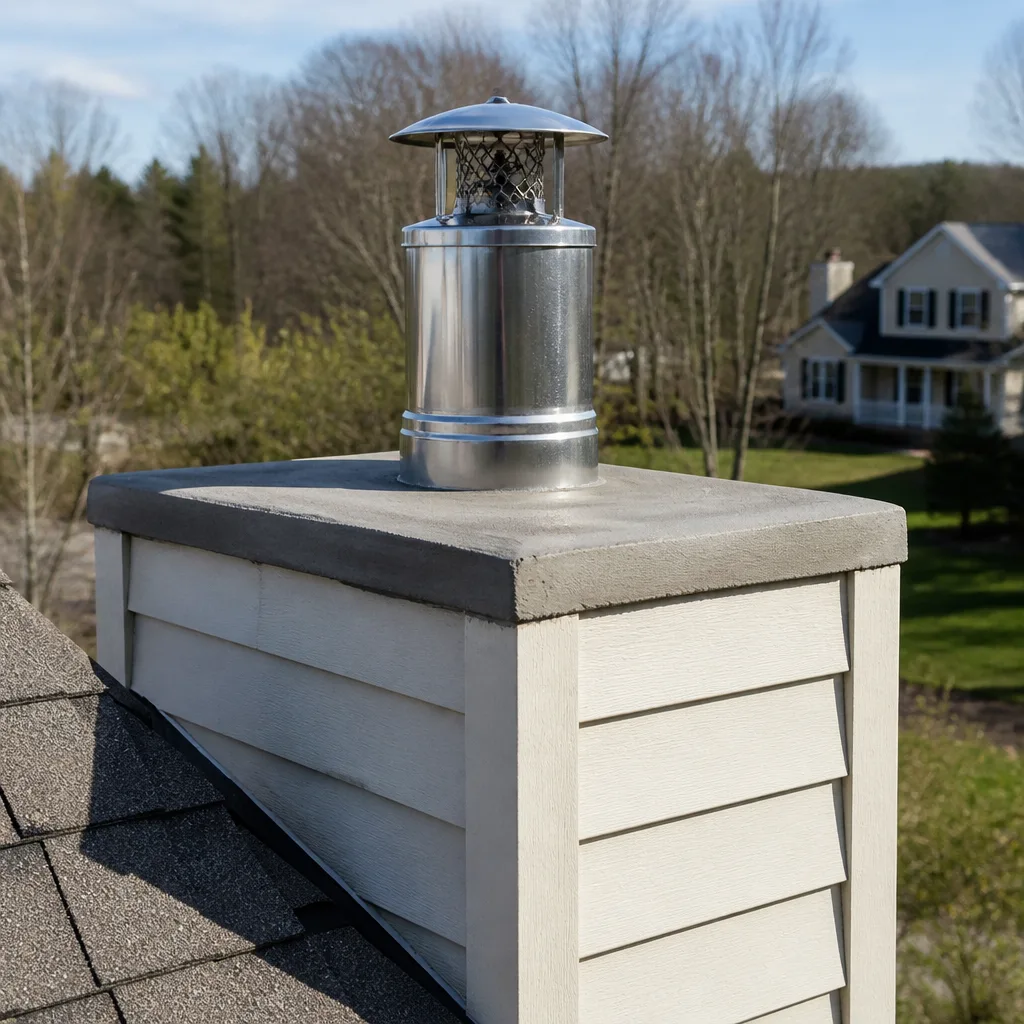 Flue relining
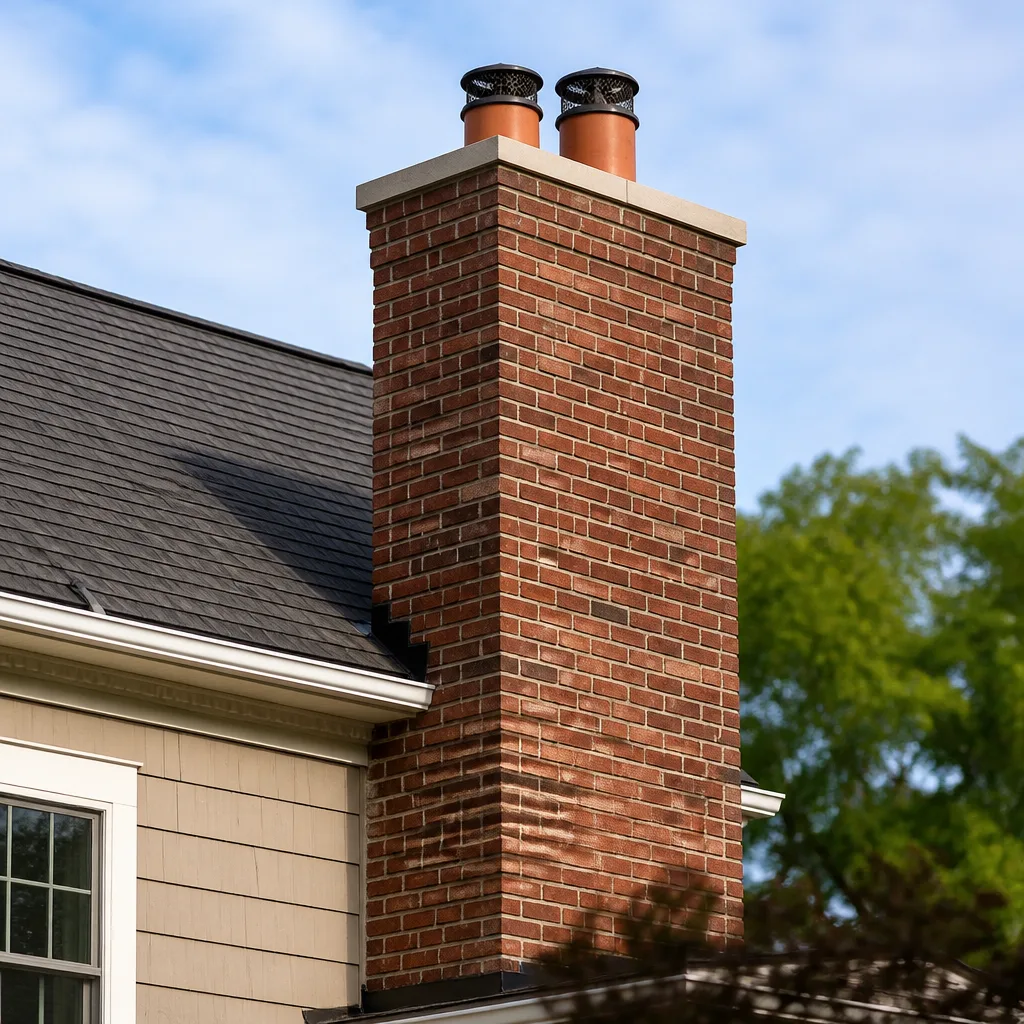 Masonry repair
 Gas fireplace service
Level 1 sweep and inspection to the NFPA 211 annual standard - flue, crown, cap, and flashing checked and photographed
Chimney sweep logs do not sweep chimneys. They loosen some creosote - which then falls where a brush and vacuum still have to collect it.
DIY vs Professional Chimney Cleaning: The League City Homeowner’s Decision Guide
You can buy the same brushes a chimney sweep uses for about $60. What you can’t buy is the camera system that shows whether your liner has cracks, the trained eye that spots stage-two creosote, or the liability coverage if something goes wrong afterward. Most DIY chimney content online is written for a cold-climate house that burns hardwood eight months a year. League City isn’t that. Our winters are short and mild, our humidity is high, and the creosote that builds up here behaves differently than the dry, flaky stuff shown in most tutorials. This guide maps exactly when brushing your own flue is a reasonable call, when it’s a false economy, and which three variables should decide it for your house.
Quick Answer
DIY chimney cleaning in League City is only defensible when all three of these are true: your chimney has been professionally inspected recently, you’re burning dry, well-seasoned wood at modest frequency, and the deposit inside the flue is light soot or stage-one creosote. Anything else – glazed creosote, an uninspected liner, a masonry chimney with unknown history, or any work above the roofline – belongs with a professional who can see inside the flue with a camera and carries the right tools and training for the job. Brushing is the easy part; knowing what you’re brushing and whether the liner is sound is the part that matters.
Styles & brands we work with
- Sweep & inspection
- Caps & crowns
- Flue relining
- Masonry repair
- Gas fireplace service
Table of Contents
- What DIY chimney cleaning can actually handle
- Tasks that look simple but carry real risk
- How League City humidity changes the creosote picture
- The insurance angle most homeowners miss
- The three-variable decision tree
- What a professional sweep actually does
- DIY cost vs professional cost, honestly compared
- Common mistakes to avoid
- When to call a professional
- Frequently asked questions
What DIY Chimney Cleaning Can Actually Handle
There’s a real, safe middle ground here, and it’s smaller than the brush-and-rod kits at the hardware store suggest. For a homeowner who’s willing to learn and take basic precautions, a handful of maintenance tasks are genuinely within reach:
- Firebox brushing and soot removal. Sweeping down the firebox walls, the smoke shelf, and the damper area with a hand brush is low-risk and useful. A shop vac rated for fine ash makes quick work of the cleanup.
- Ash removal. Emptying the ash pan and clearing the firebox floor after the burn season keeps the firebox from corroding and stops ash from blocking the grate.
- Cap and crown visual checks from the ground. A pair of binoculars from the yard tells you whether the cap is missing, the crown is cracked, or a bird has built a nest in the flue. You don’t need to climb anything to notice a problem worth calling about.
- Damper operation checks. Opening and closing the damper by hand and confirming it seals is safe and worth doing before each burn season.
- Clearing debris from the firebox. Leftover bark, twigs, and loose insulation that drop down the flue can be removed with a glove and a bucket.
Those tasks keep the firebox in shape and help you spot obvious problems early. They are not the same as sweeping the flue, and none of them replace an inspection of the liner. If you want to understand what a proper sweep involves from the inside out, our guide to a chimney sweep walks through the full process a technician follows.
One thing worth stating plainly: brushing a flue without a camera confirmation of the liner condition is guesswork. The brush doesn’t tell you if you dislodged a chunk of creosote that’s now sitting on the smoke shelf, and it doesn’t tell you if the clay tile liner has a hairline crack you just made worse. In our experience, the majority of “I cleaned it myself and now it smokes” calls trace back to a liner problem the homeowner couldn’t see.
Tasks That Look Simple But Carry Real Risk
The gap between “safe DIY maintenance” and “dangerous DIY project” is narrower than most online tutorials admit. These are the tasks we regularly see homeowners attempt that we’d steer them away from:
- Flue brushing without a liner camera check. A rotary brush on a flexible rod is a real tool, but using it blind means you can’t see what’s happening inside the flue. If the liner is cracked, brushed creosote can lodge in the gap between the clay tile and the masonry, creating a hidden fire risk. Professionals inspect first with a camera, then brush.
- Any work above the roofline. Wet shingles, mossy flashing, and a two-story pitch are not the place to learn balance. A fall from a League City roof is a serious injury, and the chimney crown and cap repair work that looks simplest from below is often the most dangerous from above.
- Removing a damper or firebox component to “get a better angle.” Cast iron dampers are heavy, and the frame can be brittle. Dropping one on a firebox floor can crack the masonry.
- Chemical creosote removers used without training. Stage-two and glazed creosote needs a specific chemical treatment and dwell time, and the wrong product on the wrong liner type can damage the surface. We use professional-grade products from Gelco and Olympia Chimney for exactly this reason – the formulation matters.
- Working on a gas appliance flue. Venting for a gas appliance is a different system entirely, and any work on it should be left to a trained technician.
We’re not saying homeowners are careless. We’re saying the risk isn’t obvious from the ground. The whole reason a professional sweep exists is that the tools and the training are designed around seeing and working inside a space you can’t easily evaluate yourself.
How League City Humidity Changes the Creosote Picture
Creosote is the byproduct of incomplete combustion, and it comes in three stages. Stage one is light, flaky soot – the kind a brush removes easily. Stage two is a denser, crustier deposit that takes real effort. Stage three is glazed, hard, and tarlike; it can’t be brushed off and has to be chemically treated.
Humidity plays a bigger role than most national guides acknowledge. League City’s warm, humid air means wood stored outdoors takes on moisture quickly, and damp wood burns cooler and less completely than dry wood. That cooler burn deposits more creosote, and the humidity itself can affect how that creosote cures on the flue walls. The result: a homeowner who burns the same amount of wood as a friend up north can end up with a denser, stickier deposit. The flaky stage-one creosote that a homeowner might reasonably brush away is less common here than the denser stage-two material.
Two practical takeaways:
- Dry wood matters more here than the guides say. Seasoned wood with low moisture content burns hotter and cleaner, which is the single biggest thing a homeowner can control. Store it off the ground and covered on top, not wrapped on the sides.
- Temperature matters. Cool, smoldering fires produce far more creosote than hot ones. A small, hot fire is cleaner than a large, slow one.
When the deposit is glazed or stage-two, brushing just polishes the surface. A professional uses a chemical treatment – the products we work with include HeatShield for liner resurfacing when the flue itself is compromised – and then returns to sweep once the treatment has done its work. That’s not a job a homeowner can do with a brush kit from the store.
The Insurance Angle Most Homeowners Miss
Here’s the question worth asking before you decide: if there’s a chimney fire or smoke damage in your home, what does your homeowner’s policy require? Most policies in Texas don’t specifically exclude DIY chimney cleaning, but they do often require “reasonable maintenance” of the chimney and fireplace. If the adjuster’s investigation finds that a fire followed a cleaning the homeowner performed without a subsequent professional inspection, the claim can get contested – and that’s a headache no homeowner wants to be in after a fire.
A professional sweep produces a record. A camera inspection captures the liner condition with photos. That documentation matters if you ever have to make a claim. It’s not the reason to call a pro; it’s a side benefit of choosing one. If your concern is a specific appliance, ask your insurer what documentation they’d want on file – most will tell you a recent inspection report is the helpful part.
We can’t speak to your specific policy; that’s a conversation for your agent. But across the claims we’ve seen, the pattern holds: the clean record is the one that gets paid.
The Three-Variable Decision Tree
The honest way to answer “should I DIY this?” is with three questions, not one. If any one of the three raises a flag, it’s a professional call. This is the decision framework we’d use on our own homes:
Variable 1: System age and history
- Under 10 years old, professionally inspected within the last two years, no known issues: You’re in the DIY-permissible zone for light maintenance.
- Completely unknown history, or the house is older than 10 years and you’ve never had it inspected: Get a professional inspection before you brush anything. The liner could be cracked, and you can’t tell without a camera.
- Any known liner damage or previous fire: Professional only, every time.
Variable 2: Last professional inspection date
- Inspected within the last year: DIY maintenance is reasonable if you’re careful.
- Inspected 1-3 years ago: Have it looked at before you DIY again. Conditions change with each burn season.
- Never inspected or over 3 years: Book an inspection and sweep together. The inspection is the point; the sweep is booked around it.
Variable 3: Usage frequency
- Light use – a fire a few times a month in the cool season: Annual inspection is usually enough, and DIY brushing of the firebox is low-risk.
- Regular use – several fires a week during the season: Annual professional sweep is the baseline. DIY alone won’t keep up with deposit volume.
- Heavy use – daily or near-daily burning: Sweep more than once a year. The deposit builds faster than a burn-season schedule assumes.
The pattern across all three: DIY is defensible only when the professional inspection is current. If it isn’t, the whole framework falls apart. If you don’t know when your chimney was last inspected, that’s the answer right there – book the inspection, learn what’s actually inside, and then decide. For a fuller picture of what a proper inspection covers, our overview of League City Chimney Cleaning outlines the seasonal sweep process from start to finish.
What a Professional Sweep Actually Does
Knowing the difference between a $60 brush kit and a professional sweep is mostly about what happens before and after the brushing. Here’s the sequence a technician works through, and what each step is for:
- Walk-through and practical assessment. The technician asks about your burning habits, what kind of fuel, how often, and what fuels. This informs where to focus the inspection.
- Camera inspection of the flue and liner. A camera on a flexible rod shows the technician – and you, if you’re watching – exactly what condition the liner is in, where the deposit has built up, and whether there are cracks or gaps.
- Dust control. Drop cloths, a shop vac rated for fine dust, and a sealed flue entry mean the sweep doesn’t leave a film of soot on your living room.
- Brushing. Rotary or hand brushes sized to your flue, worked from the bottom up or top down depending on the chimney configuration. This is where the actual deposit removal happens.
- Chemical treatment if needed. For stage-two or glazed creosote, a professional-grade treatment is applied and allowed to dwell before a return sweep.
- Re-inspection. After brushing, the camera goes back in. The technician confirms the deposit is gone and checks for any liner damage the brushing may have revealed.
- A report and recommendation. A good technician tells you what was found, what was fixed, and what – if anything – needs repair now versus later, with the photos as evidence.
The report matters as much as the sweep. Because the camera is in the flue, a professional sweep sometimes turns up a liner that needs resurfacing with HeatShield, a crown repair, or a cap issue. Catching those conditions early is the difference between a repair and a replacement. If a technician recommends a repair, the photos should be in the report – nothing should be recommended without evidence you can see for yourself.
DIY Cost vs Professional Cost, Honestly Compared
Here’s the honest cost picture. We’re not going to pretend DIY is free, and we’re not going to quote you a repair price over the phone. What we can do is lay out the typical ranges so you can judge the trade-off for yourself. Actual pricing in League City varies by flue configuration, deposit volume, and whether the sweep includes an inspection.
| Item | Typical range | What it covers |
|---|---|---|
| DIY brush kit and rods | $40-$100 one-time | Brushes, rods, basic hand tools |
| DIY shop vac rated for ash | $50-$150 | Dust collection and cleanup |
| Professional sweep | Quoted per job by written estimate | Camera inspection, brushing, dust control, report |
| Chemical treatment for glazed creosote | Quoted per job by written estimate | Professional-grade product, dwell time, return sweep |
| Liner resurfacing (HeatShield) | Quoted per job by written estimate | Liner restoration for a compromised flue |
The DIY math only works if you stay in the safe zone. Once the kit sits in the garage unused because you couldn’t verify the liner, you’ve spent $150 on a tool that didn’t tell you anything. And the professional sweep isn’t just the brushing – it’s the camera, the trained eye, and the report. That’s what you’re actually paying for. Pricing is set per job by the written estimate, so the number is yours before any work begins, not a surprise after.
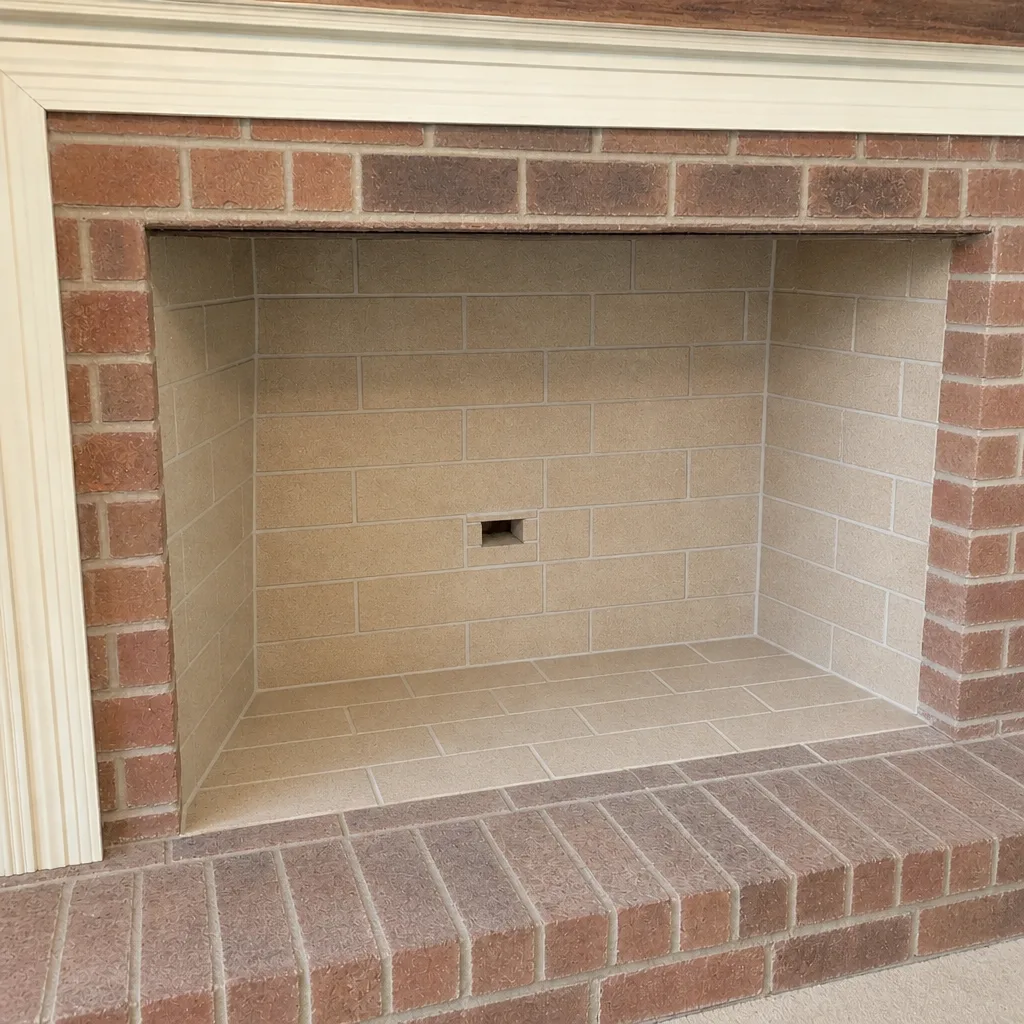
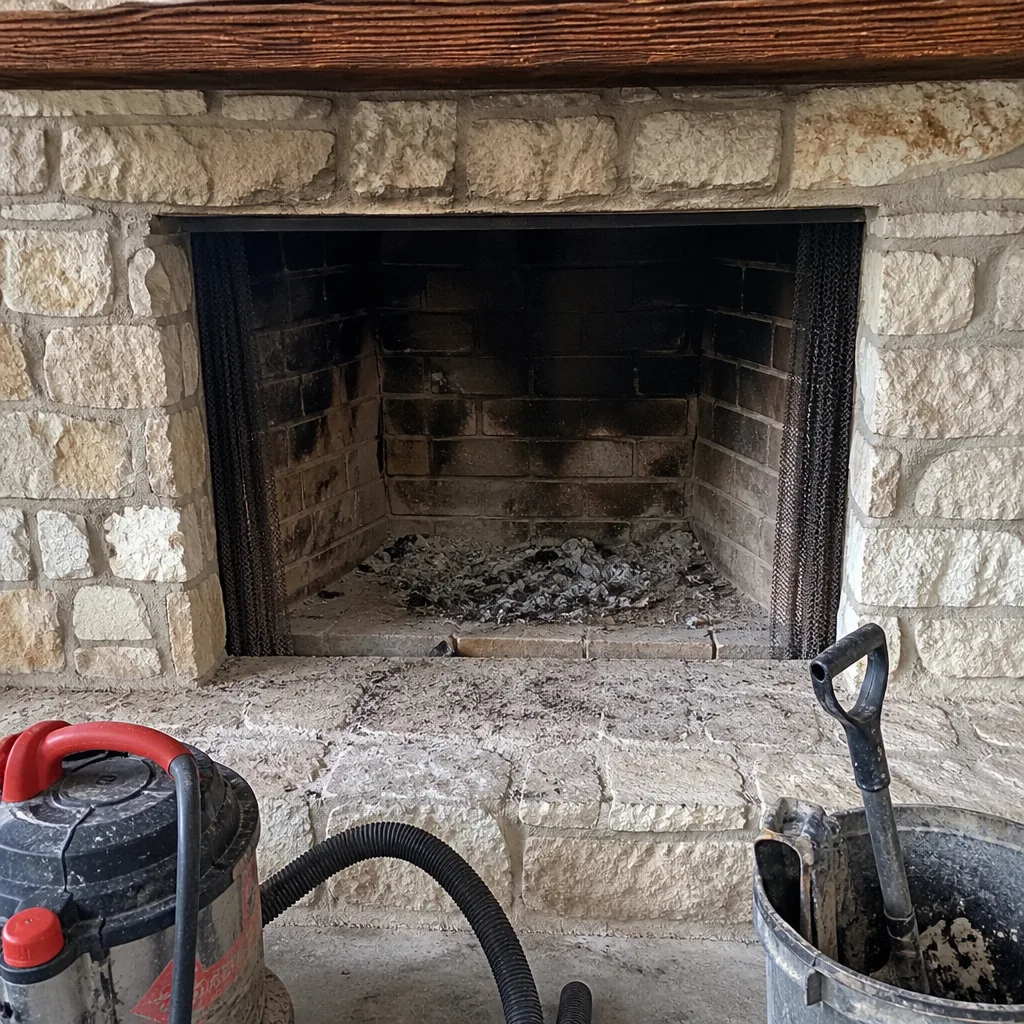
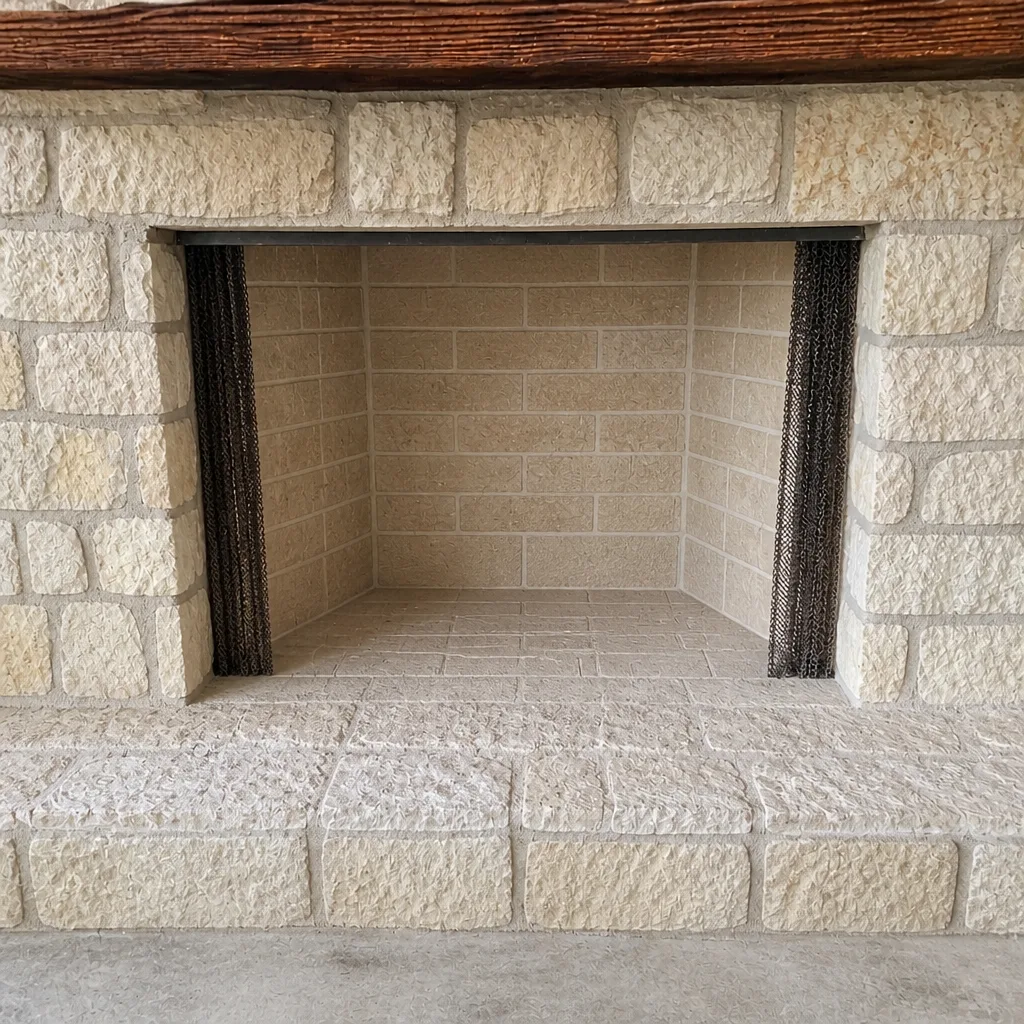
See the difference
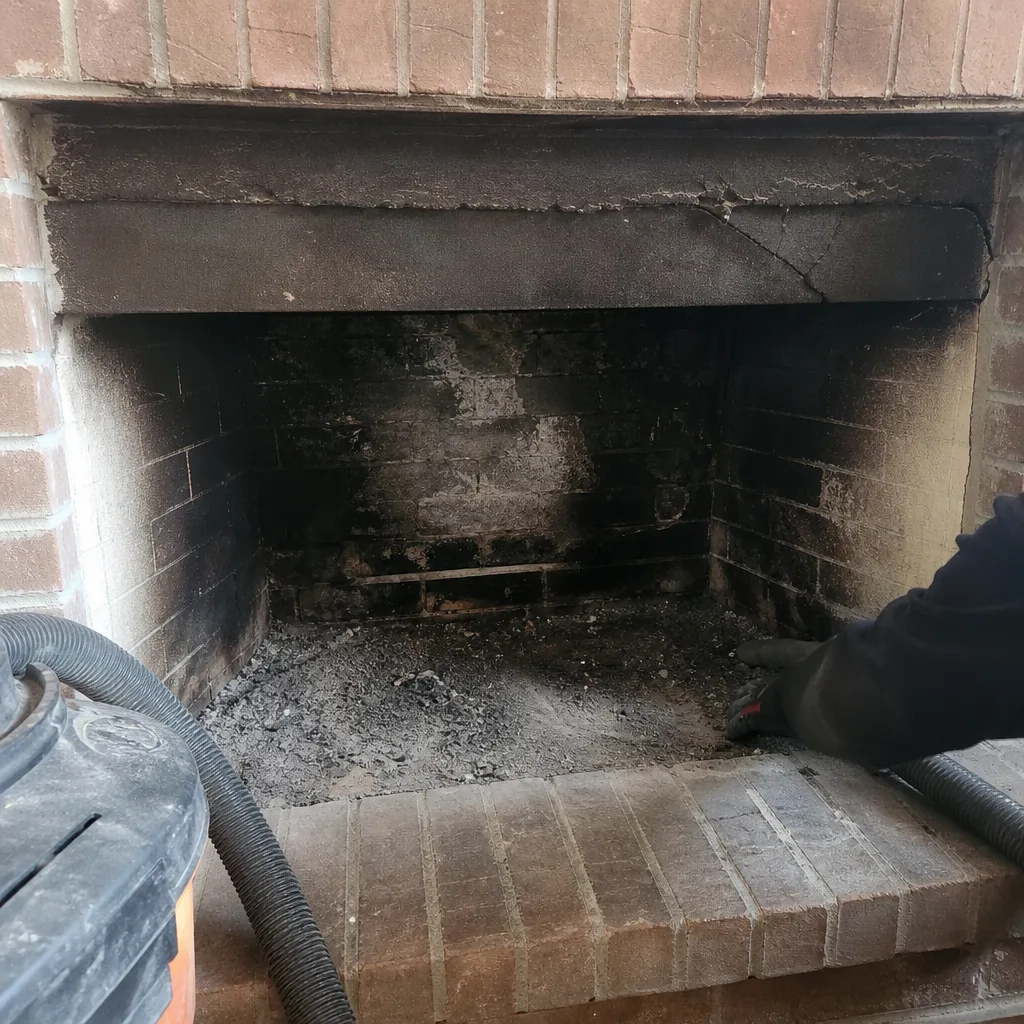 Before
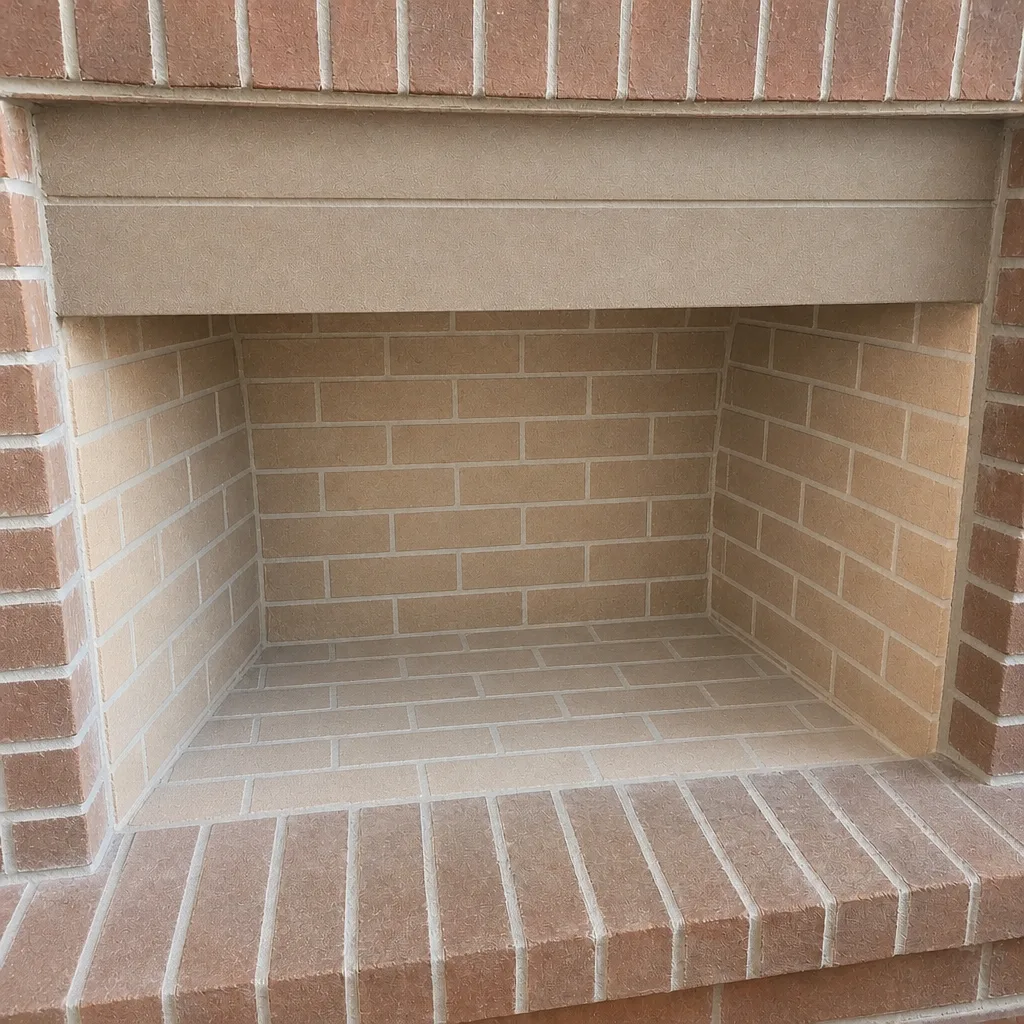 After
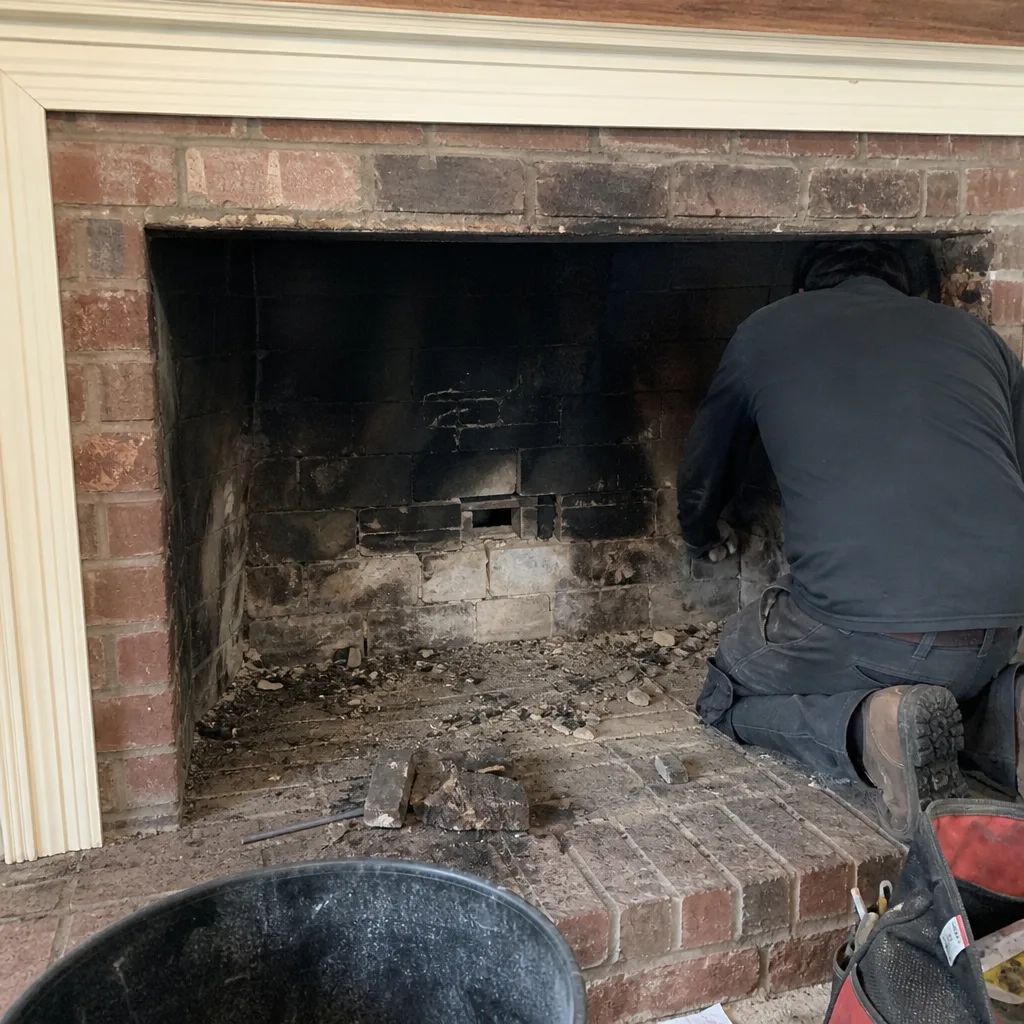 Before
 After
 Before
 After
Common Mistakes to Avoid
- Sweeping without checking the liner first. Brushing a cracked liner can push creosote into gaps where it creates a hidden fire risk. The camera check isn’t optional; it’s the reason the sweep works.
- Climbing the roof on a wet or mossy surface. League City humidity keeps shingles slick well after rain stops. A fall from roofline height is a serious injury, and the repair you could have hired for a modest cost becomes an emergency room visit.
- Burning unseasoned or damp wood to “use up the pile.” Damp wood burns cooler and deposits more creosote – the exact issue we already described. Dry it first or don’t burn it.
- Assuming a stinky odor means the chimney is clean. Odor often signals a deposit the brush missed or a liner issue – both require inspection, not more brushing.
- Ignoring the dryer vent while thinking about chimney safety. Both vents carry fire risk, and a homeowner focused on the chimney often forgets the vent behind the dryer. You can review dryer vent cleaning to see how the same safety logic applies there.
- Trusting a wire brush to remove glazed creosote. Glazed creosote is harder than it looks and will not budge under a brush. It needs a chemical treatment, and trying to force it with the wrong tool risks damaging the liner.
- Skipping the annual inspection because the sweep “looked fine” last time. A liner can crack between seasons, and an inspection is the only way to catch it before the next burn season begins.
When to Call a Professional
Call a professional when the deposit is glazed, when the chimney has no recent inspection, when the liner condition is unknown, or when any work needs to happen above the roofline. Call if the fire smokes back into the room, if you smell a persistent odor after a sweep, or if a strong draft has changed. If a cap or crown is damaged, that’s a repair, not a maintenance task. If you own a fireplace in a home you’ve never had inspected, the inspection is the first call, not the last step. League City Chimney Cleaning offers free estimates in League City – call (866) 819-7336. Our technicians have up to 15 years of experience, and the estimate is set per job in writing before any work begins, so you know the number before anyone touches the chimney.
Frequently Asked Questions
It’s safe only in a narrow set of conditions: light soot or stage-one creosote, a liner that was professionally inspected recently, and no work above the roofline. If the deposit is glazed, if the liner condition is unknown, or if you’ve never had the chimney inspected, hire a professional. The brush is not the risky part; the missing inspection is.
Once a year is the usual baseline for a fireplace in regular use. If you burn several times a week during the cool season, more than once a year is worth considering because the deposit builds faster. Annual inspection is the anchor – the sweep is scheduled around what the inspection finds.
Stage one is light, flaky soot that brushes off easily. Stage two is a denser, crusty deposit that takes real effort. Stage three is glazed, hard, tarlike creosote that cannot be brushed and has to be chemically treated. In humid conditions like League City’s, stage two and three are more common than national guides suggest, which is one reason DIY brushing alone often isn’t enough.
It may. Many policies require reasonable chimney maintenance, and a fire or smoke damage claim that follows a DIY cleaning without a subsequent professional inspection can be contested. A professional sweep produces a camera inspection report and documentation that can support a claim. Check with your insurer about what they want on file.
The sweep should tell you exactly what’s found, with photos, and plainly say when a repair can wait. Nothing should be recommended without camera evidence you can review yourself. A liner that needs resurfacing – for example with HeatShield – is a different job from a sweep, and the inspection report should make that distinction clear.
“Seems fine” from the firebox means the firebox, not the flue. The liner is where the dangerous conditions hide, and it’s out of sight without a camera. A professional sweep is the only way to confirm the liner is sound. If you’re still undecided, our guide for the League City area walks through what an inspection covers and why it’s the starting point for every other decision.
The Bottom Line
DIY chimney cleaning is a real option for a prepared homeowner, but only in the middle of a narrow band: light deposit, recent professional inspection, modest usage. Step outside that band and the $60 brush kit stops being a shortcut and starts being a liability. The three variables – system age, last inspection date, usage frequency – decide it, and any one of them raising a flag means the professional call is the right one. The camera is the difference, and the camera is the part you can’t buy. If you’re unsure where you stand, start with an inspection and go from there.
Call (866) 819-7336 for a free estimate. We answer 24/7. Fast dispatch from 7am to 7pm, Sunday through Friday.
Written by the team at League City Chimney Cleaning.