
Last updated November 15, 2026
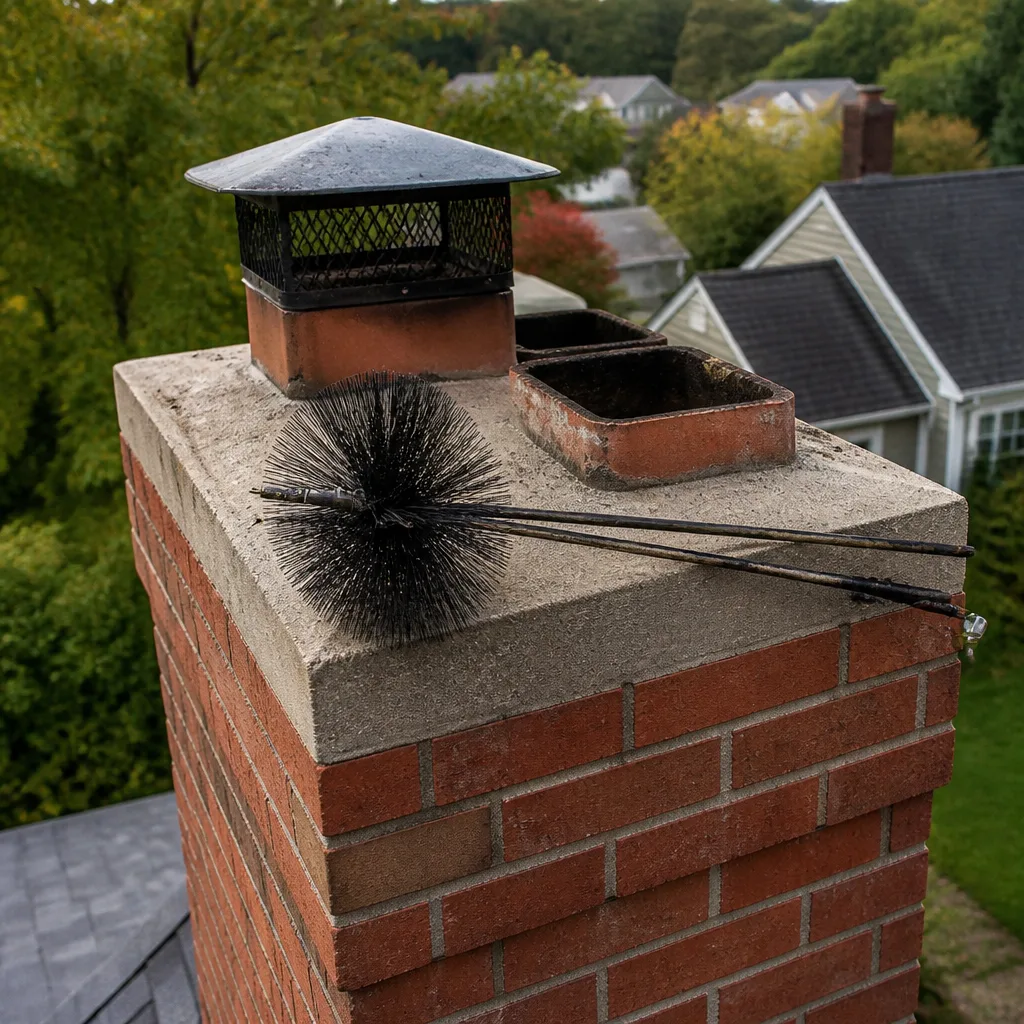 Sweep & inspection
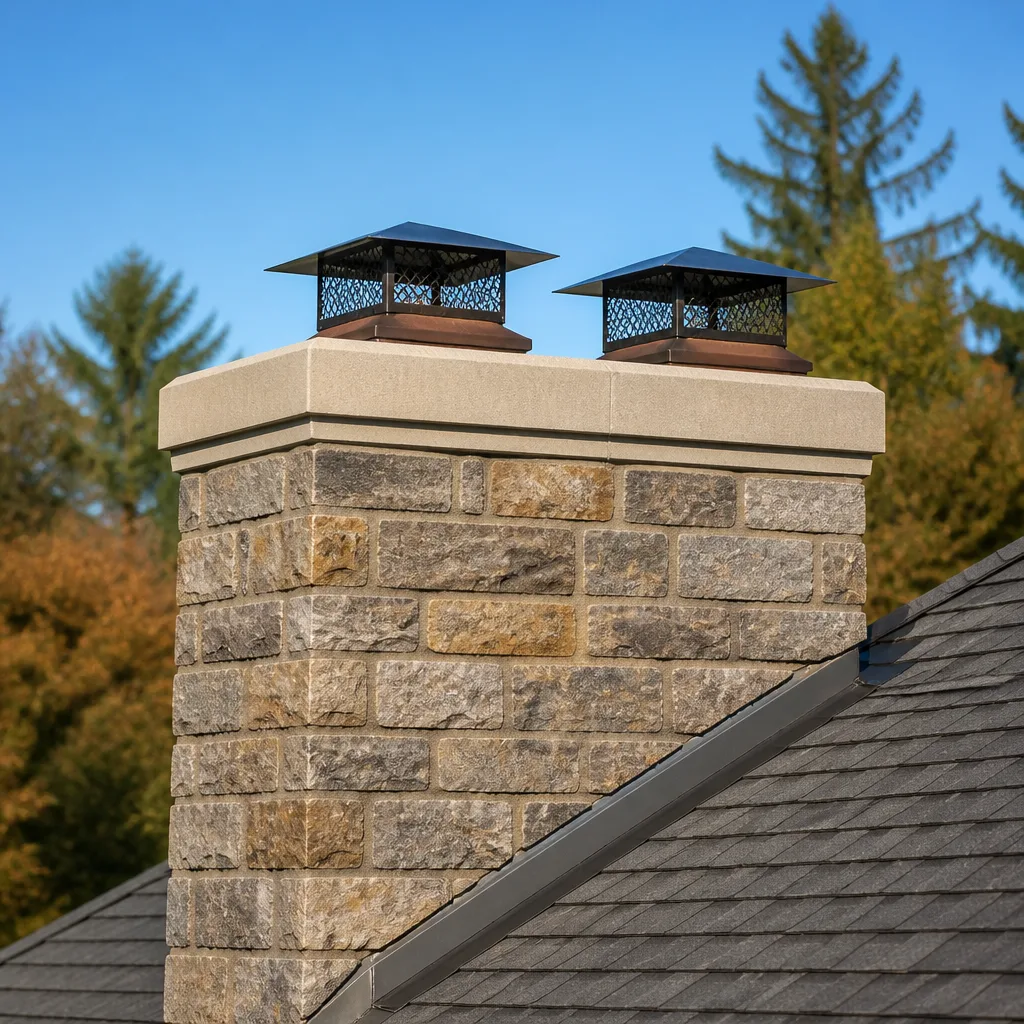 Caps & crowns
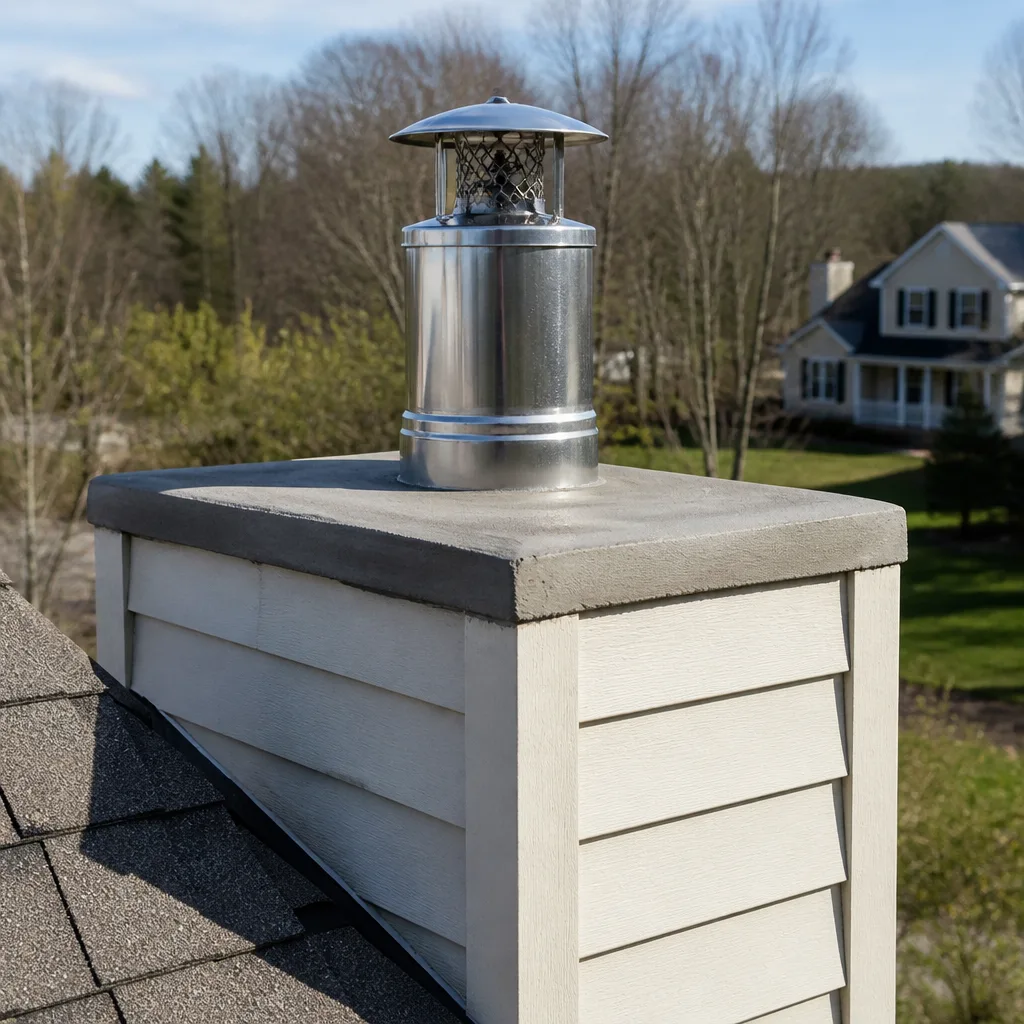 Flue relining
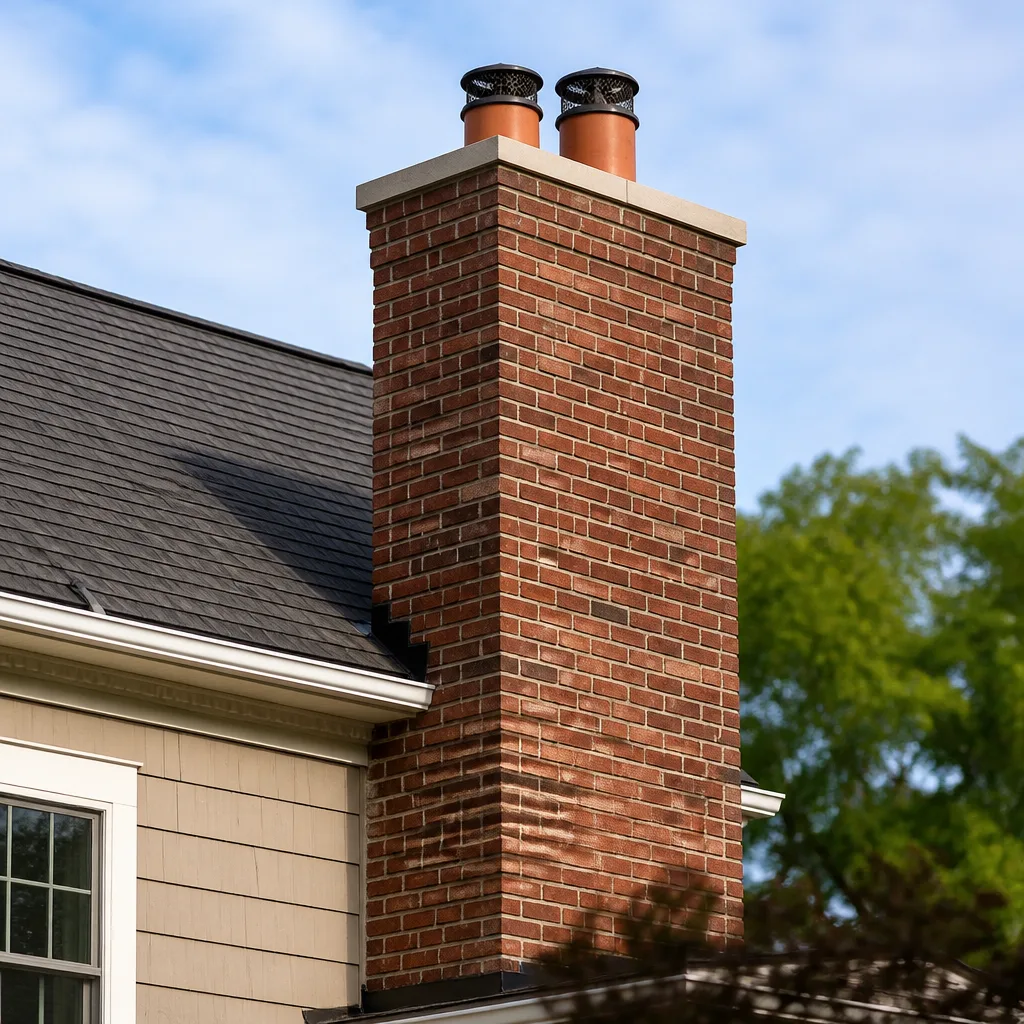 Masonry repair
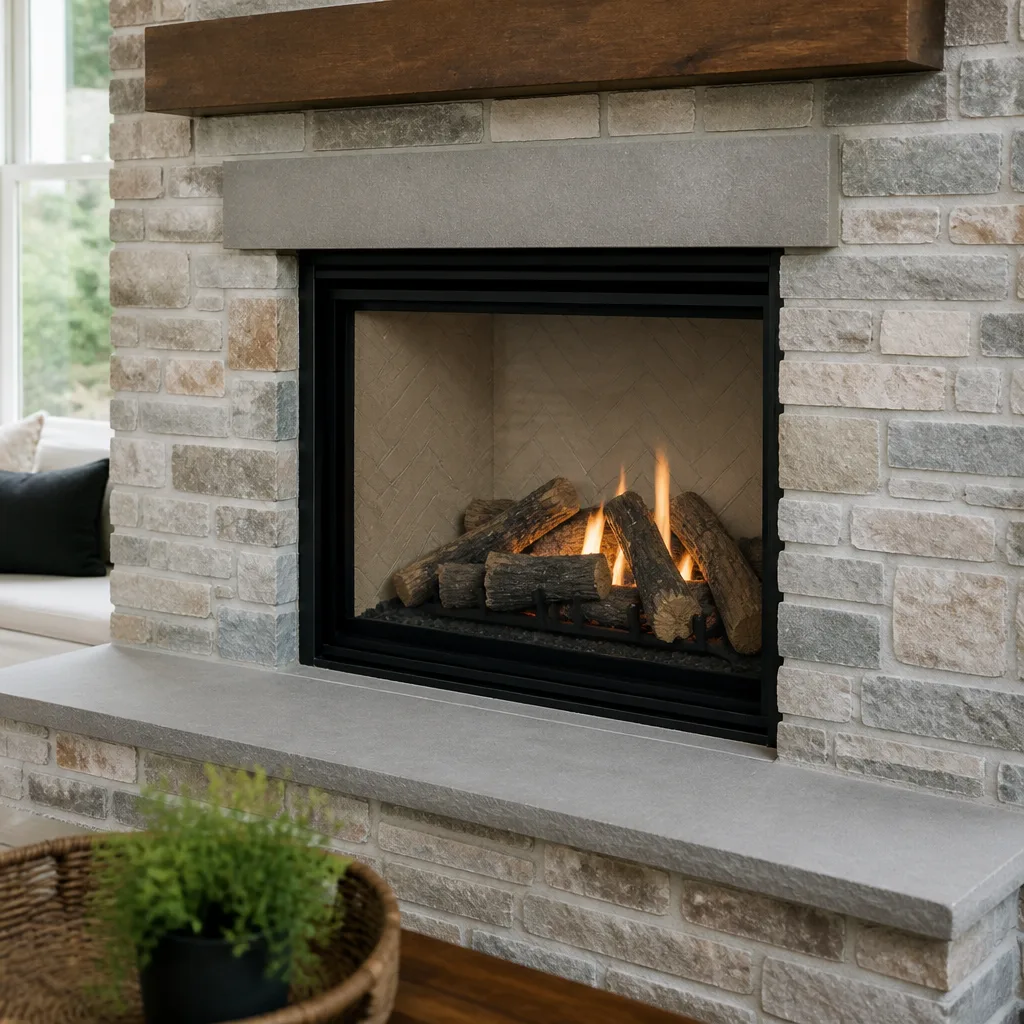 Gas fireplace service
Level 1 sweep and inspection to the NFPA 211 annual standard - flue, crown, cap, and flashing checked and photographed
Chimney sweep logs do not sweep chimneys. They loosen some creosote - which then falls where a brush and vacuum still have to collect it.
The Complete Guide to Chimney Cleaning in League City
Most League City homeowners light their fireplace a handful of times each winter. Fifteen fires, maybe twenty. That feels harmless, and it’s the reason so many chimneys here go years without a look inside. The truth is the opposite of what most people assume: a fireplace used rarely is often in worse shape than one burned hard every week, because low, intermittent use lets moisture, nesting animals, and slow liner decay build up quietly between fires. This guide maps what chimney cleaning in League City actually involves, how our Gulf Coast humidity changes the rules, what the three inspection levels mean, and how to read a sweep’s report so nothing gets sold to you that you can’t see for yourself.
Quick Answer
Chimney cleaning in League City means removing creosote, soot, and debris from the flue and firebox, then inspecting the whole system for moisture damage, liner cracks, and blockages. Most homes here need an annual Level 1 inspection and a sweep when there’s enough buildup to warrant it, whether you burn five fires a winter or fifty. The humid climate and the region’s clay soil make liner checks more important here than the national advice suggests.
Styles & brands we work with
- Sweep & inspection
- Caps & crowns
- Flue relining
- Masonry repair
- Gas fireplace service
Table of Contents
- Why a Low-Use Fireplace Still Needs Attention
- How Gulf Coast Humidity Affects Your Chimney
- Clay Soil, Foundation Movement, and Your Flue Liner
- Level 1, Level 2, and Level 3 Inspections Explained
- What Actually Happens During a Chimney Sweep
- Name-Brand Components vs. Generic Substitutes
- How to Read a Chimney Sweep’s Report
- Common Mistakes to Avoid
Why a Low-Use Fireplace Still Needs Attention
A chimney is a hole in your roof that connects the inside of your house to the outside air. It doesn’t care whether you light a fire. Air, moisture, and animals move through it year-round, and the less you burn, the less heat moves up the flue to dry things out. That’s the core reason we recommend an annual inspection for League City homes even when the fireplace sits cold most of the year.
Here’s what happens in a fireplace that’s used occasionally:
- Moisture collects. Humid Gulf Coast air drifts down an uncapped or poorly capped flue and condenses on cooler masonry. Over seasons, that dampness works into mortar joints and softens them.
- Animals move in. A quiet flue is an attractive nesting spot for birds and other small animals, especially in a mild winter. Nests block the flue and create a fire hazard the first time you light up.
- Creosote still forms. Even a dozen fires leave glazed creosote on the flue walls. Creosote is combustible, and it doesn’t evaporate between burns.
- Small problems go unseen. A hairline crack in a clay tile or a rusted damper doesn’t announce itself. It’s found during an inspection, not by a homeowner looking up from the hearth.
In our experience, the intermittent-use fireplace is the one most likely to surprise its owner. A fire burns enough to warm the room but not enough to dry out the masonry that absorbed moisture over the wet months. That combination is exactly what a yearly look is designed to catch. If you want the service that handles this, start with a chimney sweep and an inspection, and go from there.
How Gulf Coast Humidity Affects Your Chimney
League City sits in a climate with long, humid summers and mild, short winters. That has real consequences for masonry chimneys. The masonry soaks up moisture from the air during the warm, sticky months, and the mild winter doesn’t give it the long, cold drying season that chimneys farther north get. The result is masonry that stays damper for more of the year.
What that means in practice:
- Mortar joints soften. Repeated wetting and slow drying wears on the mortar between bricks. Soft mortar lets water in deeper, and the cycle repeats.
- Spalling bricks. When a brick stays wet and then dries fast in the sun, its face can flake and pop off. You’ll see this as brick dust or crumbling edges near the crown or the roofline.
- Crown cracks. The concrete crown at the top of the chimney is your first line of defense. A small crack there lets water run straight down into the flue.
- Rusted dampers and firebox metal. Metal components corrode faster in humid air, which can leave a damper stuck open or a firebox grate failing.
The fix isn’t dramatic. A proper cap keeps rain and animals out. Sealing cracks in the crown and repointing soft mortar keeps water from getting in. And checking the flue annually catches liner damage before it turns into a repair. Our technicians have up to 15 years of experience, and the pattern they see again and again in League City is water damage that started small and was ignored for a few seasons. The work is straightforward when it’s caught early. A humid climate rewards regular attention and punishes neglect gradually, which is exactly why it’s easy to miss.
Clay Soil, Foundation Movement, and Your Flue Liner
Much of the League City area sits on expansive clay soil. That clay swells when it’s wet and shrinks when it dries, and that movement puts slow, gentle stress on the foundation of a house over the years. A masonry chimney is a heavy, rigid structure tied to the home’s frame, and when the foundation shifts even a little, the chimney and its flue don’t always move in perfect step with the rest of the house.
Over time, that mismatch shows up in a few common places:
- Hairline cracks in clay flue tiles. The flue is lined with clay tiles stacked inside the masonry. Small shifts can crack a tile joint or the tile itself.
- Gaps between flue sections. Even a small gap lets heat, smoke, and carbon monoxide escape into the surrounding structure instead of up and out.
- Shifting chimney crowns. The top of the chimney can tilt or crack as the structure moves, opening a path for water.
- Loose flashing at the roofline. Movement at the roof penetration can pull flashing away from the chimney, and that’s where leaks start.
This is why a flue check isn’t just about soot. Cracks and gaps in a liner are a carbon monoxide concern, and they can only be found by looking with a camera. When a liner is damaged, a resurfacing system like HeatShield can restore it from the inside in many cases, which is far less invasive than tearing out the masonry. But the first step is always the same: inspect, identify, and then fix what the inspection actually shows. No recommendation comes before the evidence. If you want the repair side of that, our chimney repair service covers everything from crown work to relining.
Level 1, Level 2, and Level 3 Inspections Explained
Chimney inspections aren’t one thing. The trade recognizes three levels, and each answers a different question. Knowing the difference keeps you from paying for more than you need or getting less than your situation requires.
Level 1 Inspection
A Level 1 inspection is a visual check of the readily accessible parts of the chimney and venting: the firebox, the damper, the flue as far as can be seen, and the exterior where reachable. It’s the standard annual check when the chimney is in known good condition and nothing has changed. Most League City homes that burn occasionally and haven’t had any recent changes need this one.
Level 2 Inspection
A Level 2 inspection goes further and includes a camera scan of the flue, plus a look at accessible parts of the attic, crawlspace, and connections. You need a Level 2 when something has changed: a new appliance hooked to the flue, a chimney that’s changed hands (a new home purchase), a flue that’s been damaged, or after a chimney fire or a significant weather event. This is the level that catches hidden liner cracks the eye can’t reach.
Level 3 Inspection
A Level 3 inspection is the most involved. It’s used when a serious problem is suspected but can’t be reached without opening up parts of the structure, such as a concealed flue or a damaged section behind a wall. It’s the least common of the three and only warranted when there’s a specific reason to go looking.
For most League City homeowners, the pattern is a Level 1 annually, with a Level 2 whenever the situation changes. If you’ve just bought the house or you’re unsure of the chimney’s history, ask for the Level 2 with the camera scan. You’ll get the photo report to go with it.
What Actually Happens During a Chimney Sweep
A chimney sweep is a physical cleaning of the flue and firebox, followed by a look at the whole system. Here’s how a typical job runs:
- Protect the room. Drop cloths and a sealed vacuum setup keep soot out of your living space. A sweep should leave the room cleaner than a fireplace would.
- Clear the firebox. Ash and debris are removed, and the damper is checked for movement.
- Brush the flue. The right brush for the flue’s material loosens creosote, soot, and any animal nests, and a high-powered vacuum draws the debris out.
- Inspect with a camera. A camera scan checks the length of the flue for cracks, gaps, and buildup the brush couldn’t reach.
- Check the exterior. The cap, crown, and flashing are inspected for damage from the previous season.
- Show you the report. Photos and notes explain what was found, what was cleaned, and what, if anything, needs follow-up.
The sweep part of a job is often quick. The inspection is where the value lives. And if the dryer vent is on your list too, we handle that in the same visit, because a dryer vent cleaning addresses one of the most common household fire risks, and one that most chimney-only companies don’t touch. One call covers chimney and dryer vent. That convenience matters less than the fact that both systems get looked at by someone who understands how venting actually works.
Name-Brand Components vs. Generic Substitutes
When a chimney needs a new cap, damper, or liner, the material matters as much as the labor. Generic hardware-store parts can work, but they don’t last the way professional-grade components do, and in a humid climate that difference shows up in a few years. The parts have to tolerate moisture, heat cycling, and outdoor exposure. Cheap substitutes often don’t.
That’s why we work with a curated roster of brands the trade trusts. DuraFlex for flexible stainless liners. Gelco for caps and crowns and other fabricated components. Olympia Chimney and Famco for venting and hearth components. HeatShield for liner resurfacing. Copperfield for a broad range of chimney supplies. We use those brands because that’s what the job actually requires, not because they’re the cheapest thing on the shelf. When we reach for a HeatShield system to restore a damaged liner, or a DuraFlex liner to reline a flue, it’s because the material has to outlast the repair.
Here’s what to notice when a contractor quotes you on components:
- Specific brand names in the quote. If the quote says “liner” without a manufacturer, ask which one and why.
- Stainless steel in flexible liners. Ask about the grade, because a lower grade won’t hold up as long.
- A proper cap, not a screen. A cap keeps water and animals out; a screen over an open flue doesn’t do the same job.
- Sealed connections. Fittings that aren’t properly joined are where leaks start.
None of this is about premium for its own sake. It’s about the repair lasting long enough to be worth doing. If you’d like to talk through materials for your own chimney, call (866) 819-7336. We answer 24/7. Fast dispatch from 7am to 7pm, Sunday through Friday.
How to Read a Chimney Sweep’s Report
The report is where a good sweep separates itself from a sales pitch. Any company can hand you a list of “needed repairs.” A report you can actually verify is different. Here’s what a fair one includes, and what to look for:
- Photos of what was found. If a liner crack is flagged, you should see it. A real photo report includes the flue, the crown, the cap, and the firebox.
- A clear statement of what was cleaned. The flue, the firebox, and any connected venting should be listed.
- Findings separated from recommendations. “Crack at tile joint 4” is a finding. “Replace the liner” is a recommendation. You should see the evidence behind the second before you agree to it.
- An honest read on what can wait. Not everything needs doing this month. A good report tells you what’s urgent, what’s a “next season” item, and what’s fine.
- The brands specified for any replacement. If a liner or cap is recommended, the quote should name the manufacturer and the model.
The red flags are worth memorizing. A report with no photos, a blanket recommendation for a full reline with no visible evidence, pressure to sign on the spot, or a price that swings wildly from the written estimate. And here’s the one that matters most: if a company can’t show you the inside of your own flue, it can’t tell you what’s in there. Camera evidence you can see for yourself is the standard. Nothing gets recommended without it, and we’ll tell you plainly when work can safely wait.
Common Mistakes to Avoid
- Skipping the sweep because you barely used the fireplace. Low use is the exact condition that hides moisture damage and animal nests. An annual inspection costs far less than the repair it prevents.
- Burning unseasoned or damp wood. Wet wood creates more creosote and more smoke, which is worse in a humid climate. Seasoned, dry wood burns cleaner.
- Never lighting the fireplace but never checking it either. A flue that sits idle all year still accumulates debris and can house animals. Check it, whether you burn or not.
- Treating a chimney cap as optional. An open flue is an invitation to rain and wildlife. A cap is one of the cheapest protections you can add.
- Ignoring the dryer vent. Lint buildup in a dryer vent is a leading cause of household fires. If the chimney gets inspected and the dryer vent doesn’t, half the safety picture is missing.
- Hiring on price alone. The cheapest quote often means generic parts and a report you can’t verify. Ask what brand goes in the flue before you agree.
- Putting off the follow-up repair. A cracked crown or a damaged liner doesn’t improve with time. In this climate, it gets worse every wet season.
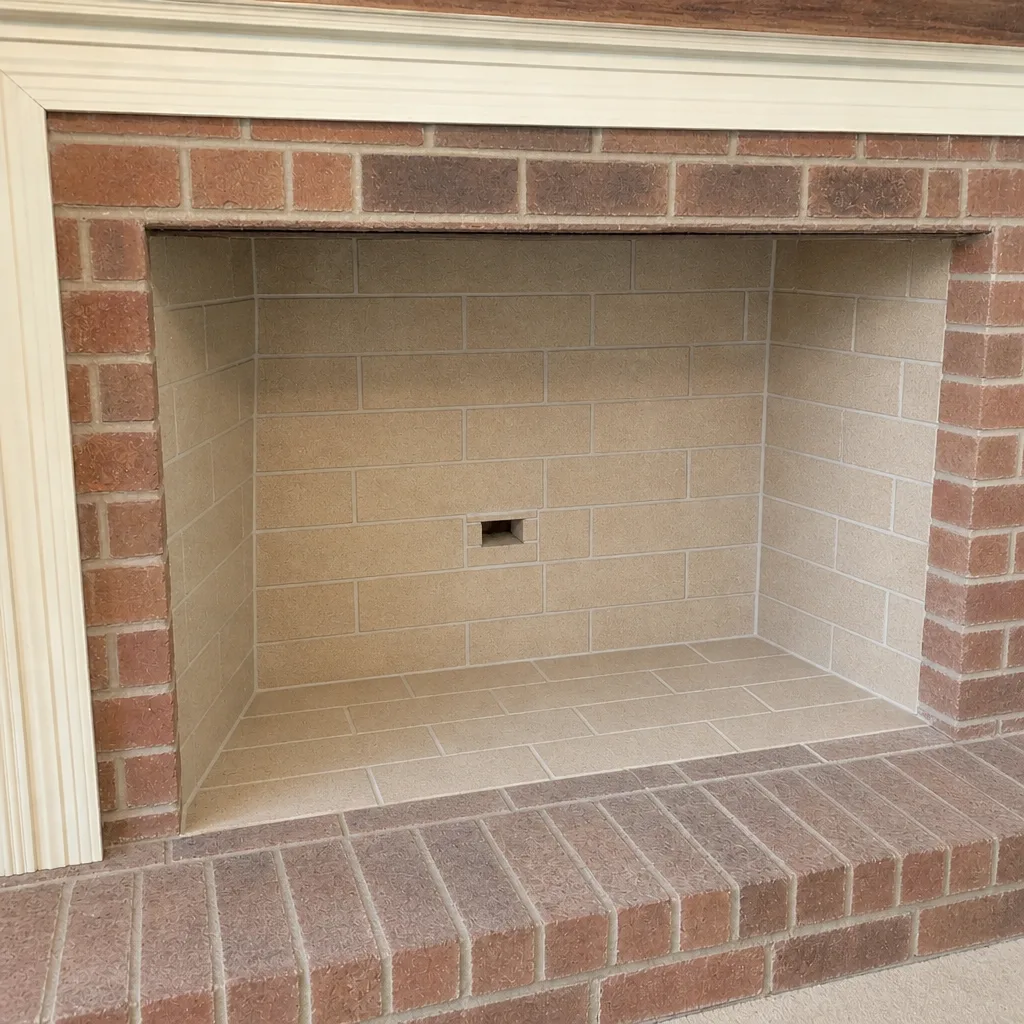
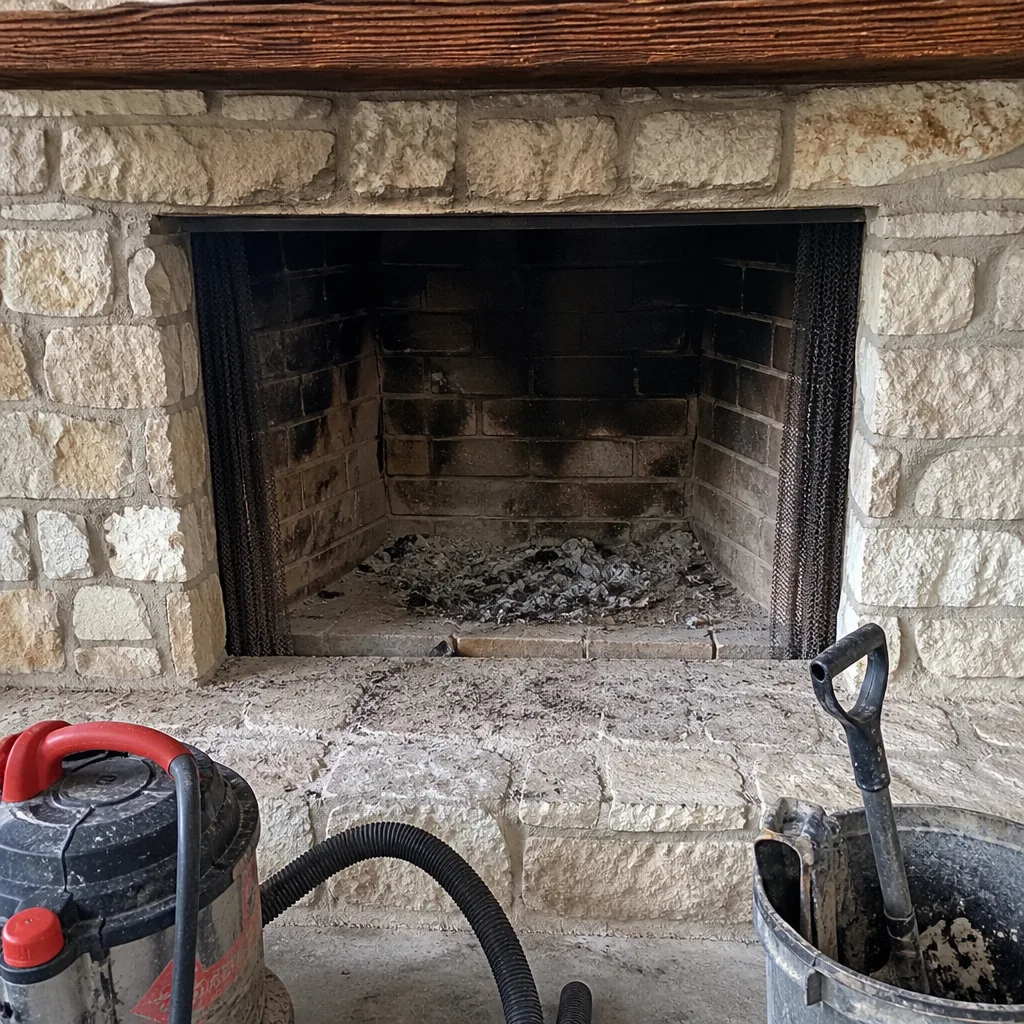
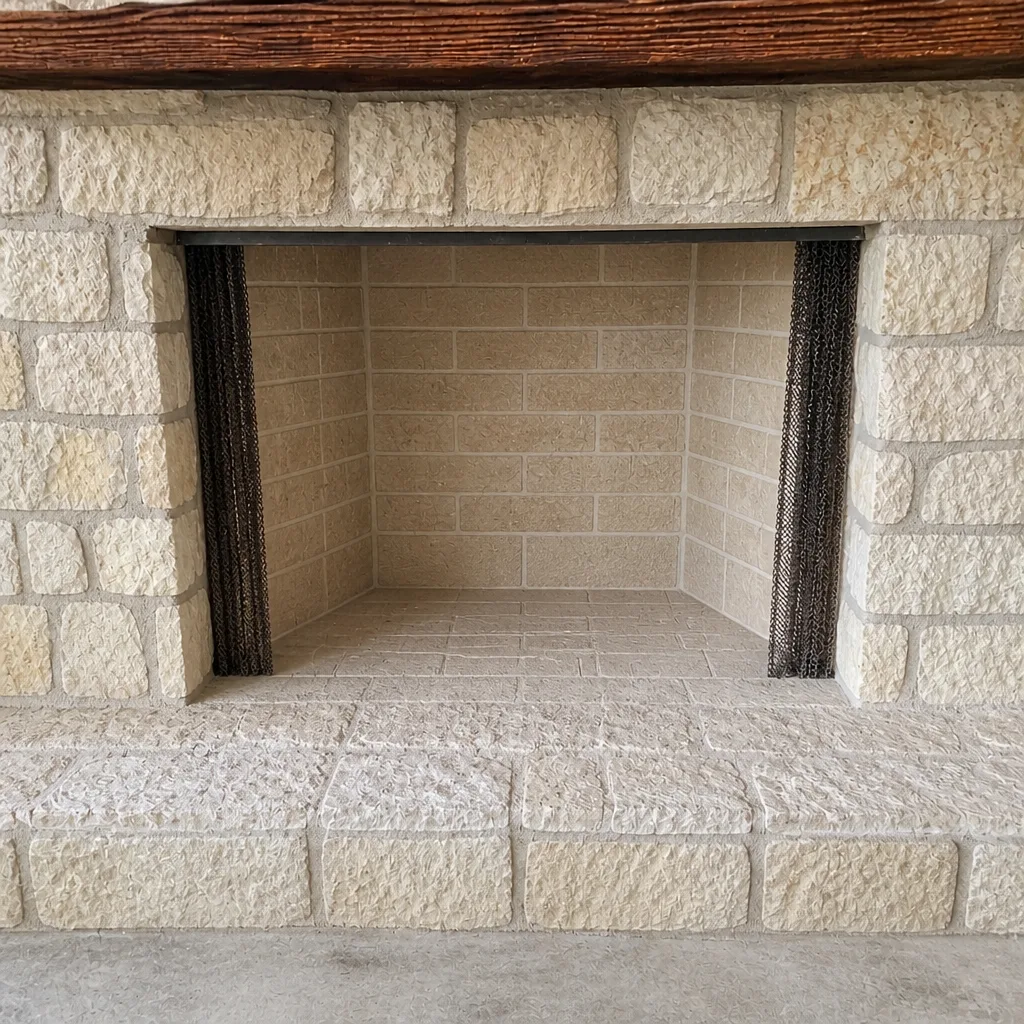
See the difference
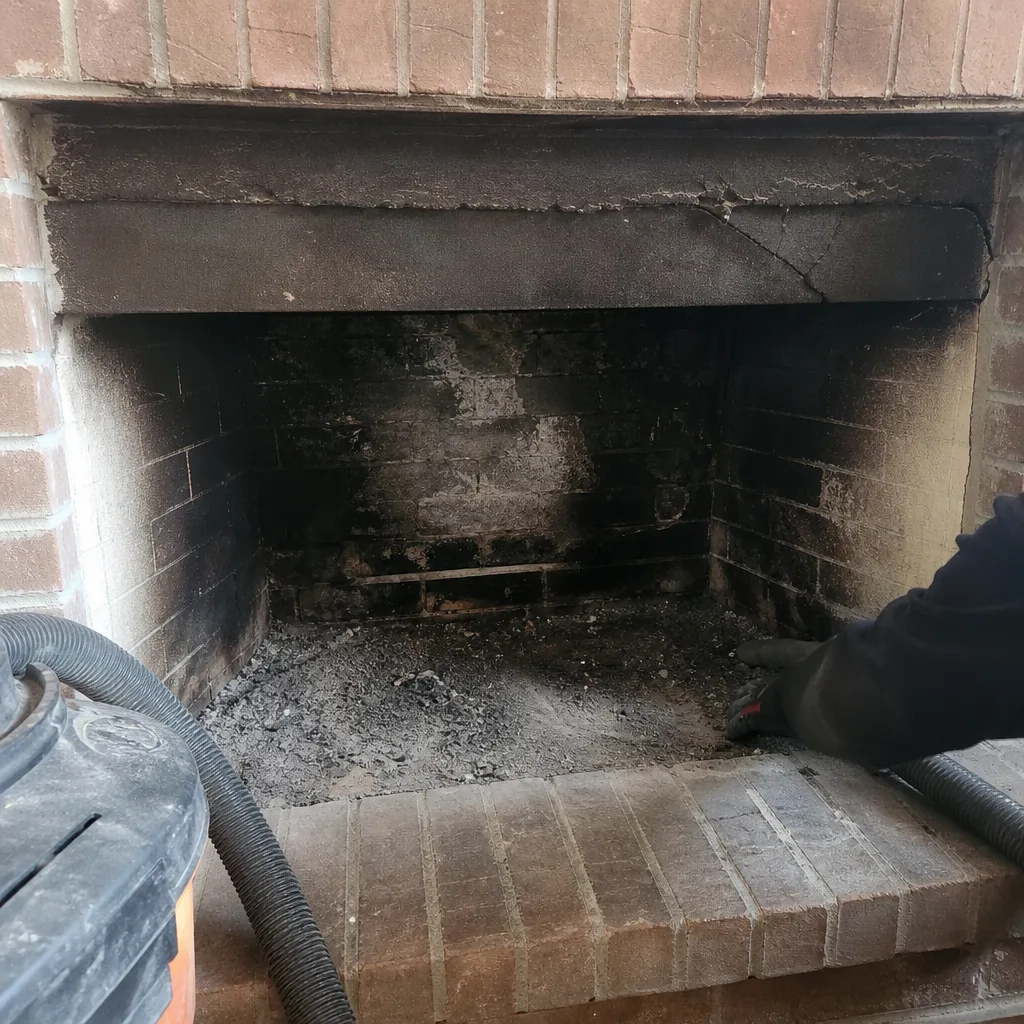 Before
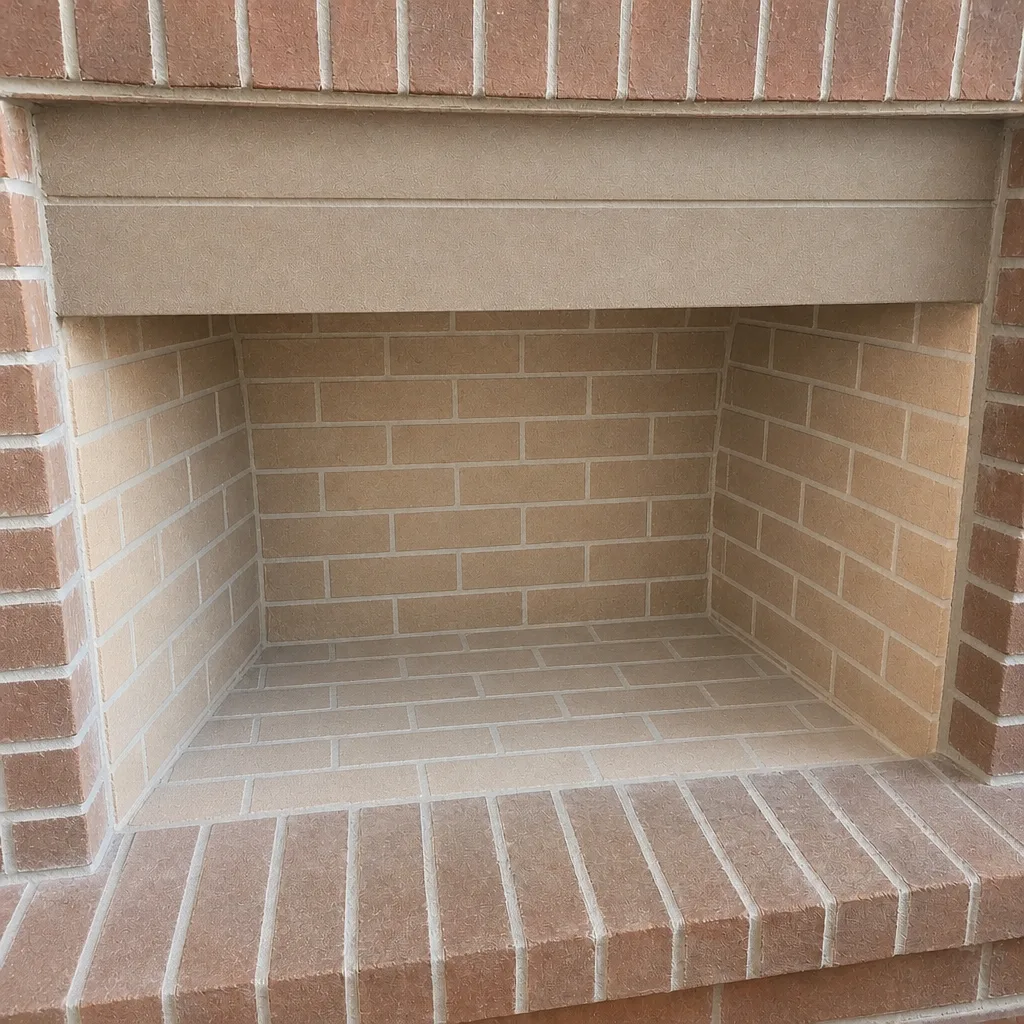 After
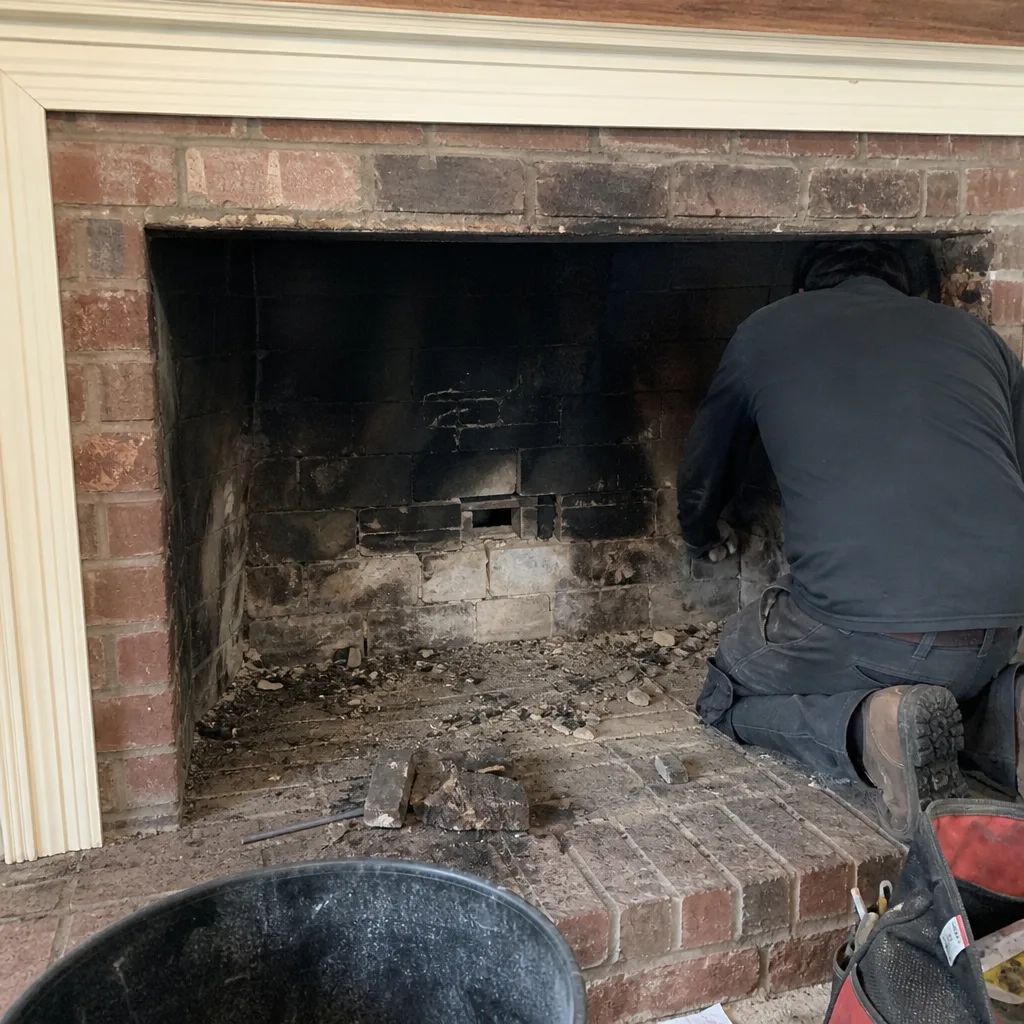 Before
 After
 Before
 After
When to Call a Professional
Some things are a call for a professional: a firebox that smokes into the room, a damper that won’t open or close, a chimney that’s had a fire, a flue you can’t see the bottom of, or a purchase of a home with unknown chimney history. If you smell smoke inside on a still day, or you see crumbling mortar or brick dust near the crown, that’s a call too. These aren’t jobs to diagnose from the hearth.
Chimney work also involves real danger. Climbing a roof or opening a flue is not a homeowner task, and gas or electrical connections on a heating appliance should only be handled by someone trained for them. Our technicians are experienced with the full range of chimney and venting systems, and we’ll tell you honestly what needs doing and what doesn’t. League City Chimney Cleaning offers free estimates in League City. Call (866) 819-7336. We answer 24/7. Fast dispatch from 7am to 7pm, Sunday through Friday.
Frequently Asked Questions
A standard chimney sweep in League City typically runs in the low-to-mid hundreds of dollars, with the exact figure depending on the flue’s condition, the amount of buildup, and whether a camera inspection or dryer vent cleaning is added. The written estimate sets the final price, and the estimate itself is free. Call (866) 819-7336 for an exact quote.
Only if the inspection shows it. A camera scan can reveal cracks, gaps, or deteriorated joints that a visual look would miss, and when damage is there, the fix might be a HeatShield resurfacing rather than a full replacement. But nothing should be recommended without photo evidence you can see for yourself. If the liner is sound, we’ll say so. Call (866) 819-7336 for an honest look.
Once a year is the standard, and that holds for League City even with light use, because the humid climate and the quiet flue both give moisture and debris time to build up. If you burn regularly, the annual sweep matters even more, since creosote accumulates faster. Call (866) 819-7336 to get on the schedule.
Creosote keeps building, water keeps working into the masonry, and small liner damage goes unseen. The risk is a chimney fire from creosote buildup, carbon monoxide leaking through a cracked liner, or a repair bill that grew while the problem sat. None of this happens overnight, which is exactly why it gets ignored. Call (866) 819-7336 before the next burning season.
Yes. Dryer vent cleaning is part of the service mix, and it pairs naturally with a chimney inspection since both involve venting safety. Lint buildup in a dryer vent is a leading household fire risk, and it’s often the last thing a homeowner thinks to check. Call (866) 819-7336 to have both looked at in one visit.
No. A proper sweep uses drop cloths and a sealed vacuum system to keep soot out of your living space, and the room should be left clean. The debris goes into a contained vacuum, not into the air. Call (866) 819-7336 with any questions about how a visit runs.
The Bottom Line
Chimney care in League City isn’t about how often you light a fire. It’s about the humid climate, the clay soil, and the long quiet stretches between burns that let small problems grow unseen. An annual Level 1 inspection and a sweep when needed, a Level 2 with a camera scan when the situation changes, brand-name components that outlast generic substitutes, and a report you can verify for yourself. That’s the whole picture. If you’re in League City, you can see the area we cover on our League City page, and you can reach the team behind League City Chimney Cleaning at (866) 819-7336. The estimate is free, and we’ll tell you plainly what needs doing and what can wait.
Written by the team at League City Chimney Cleaning.