
Last updated November 15, 2026
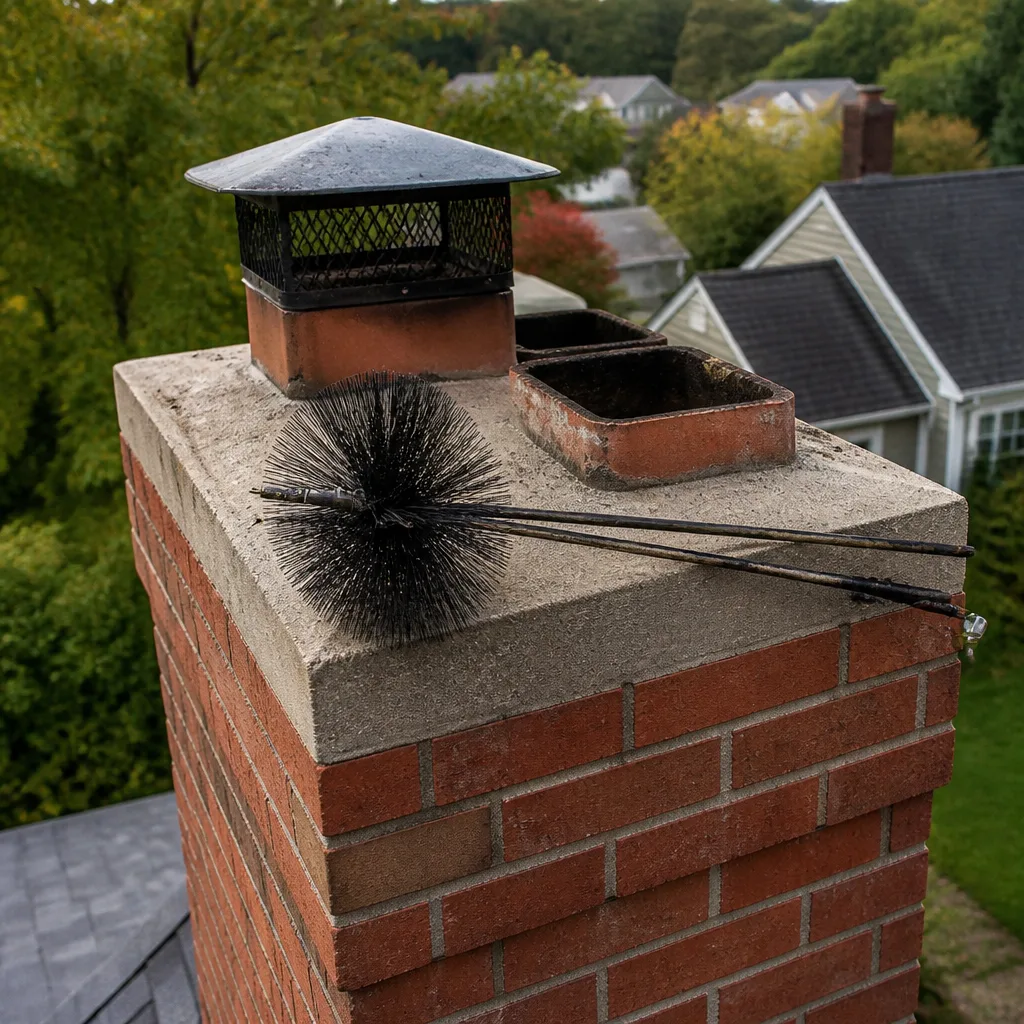 Sweep & inspection
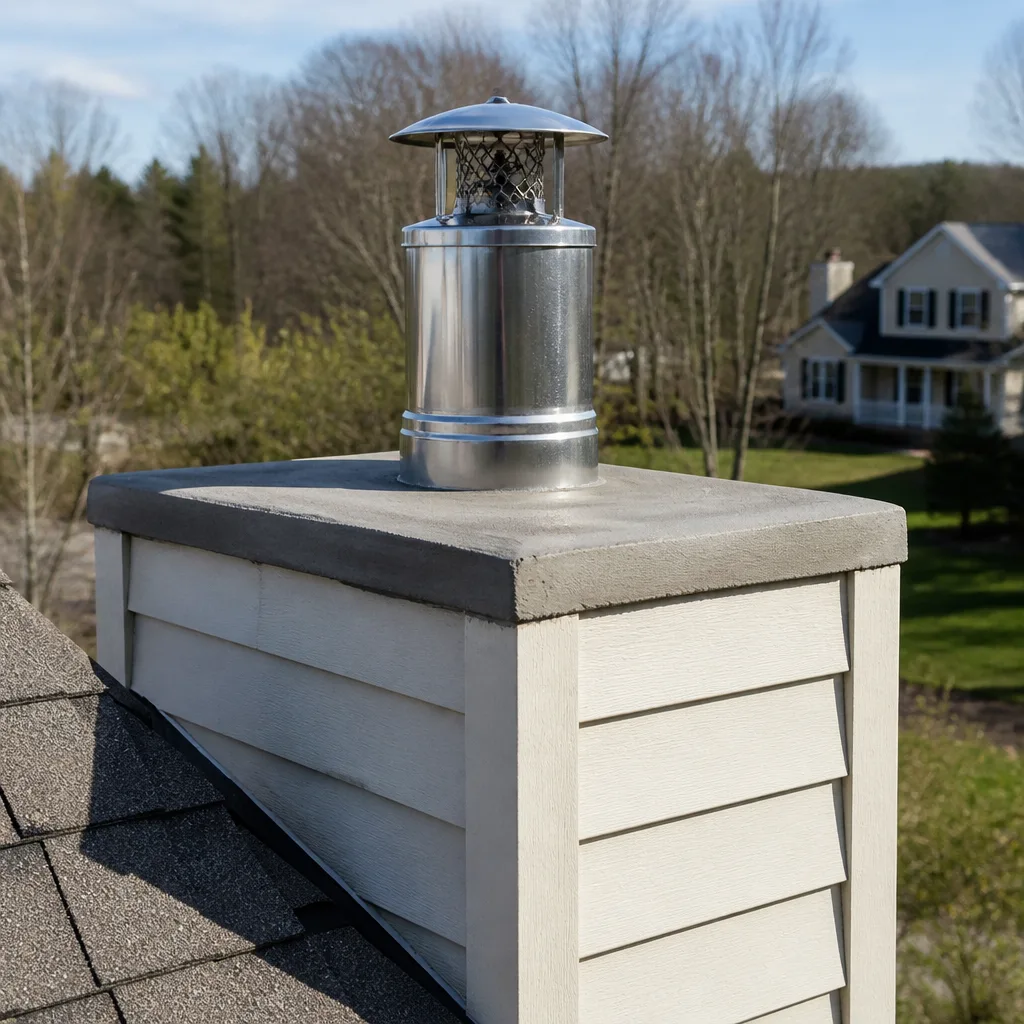
 Caps & crowns
 Flue relining
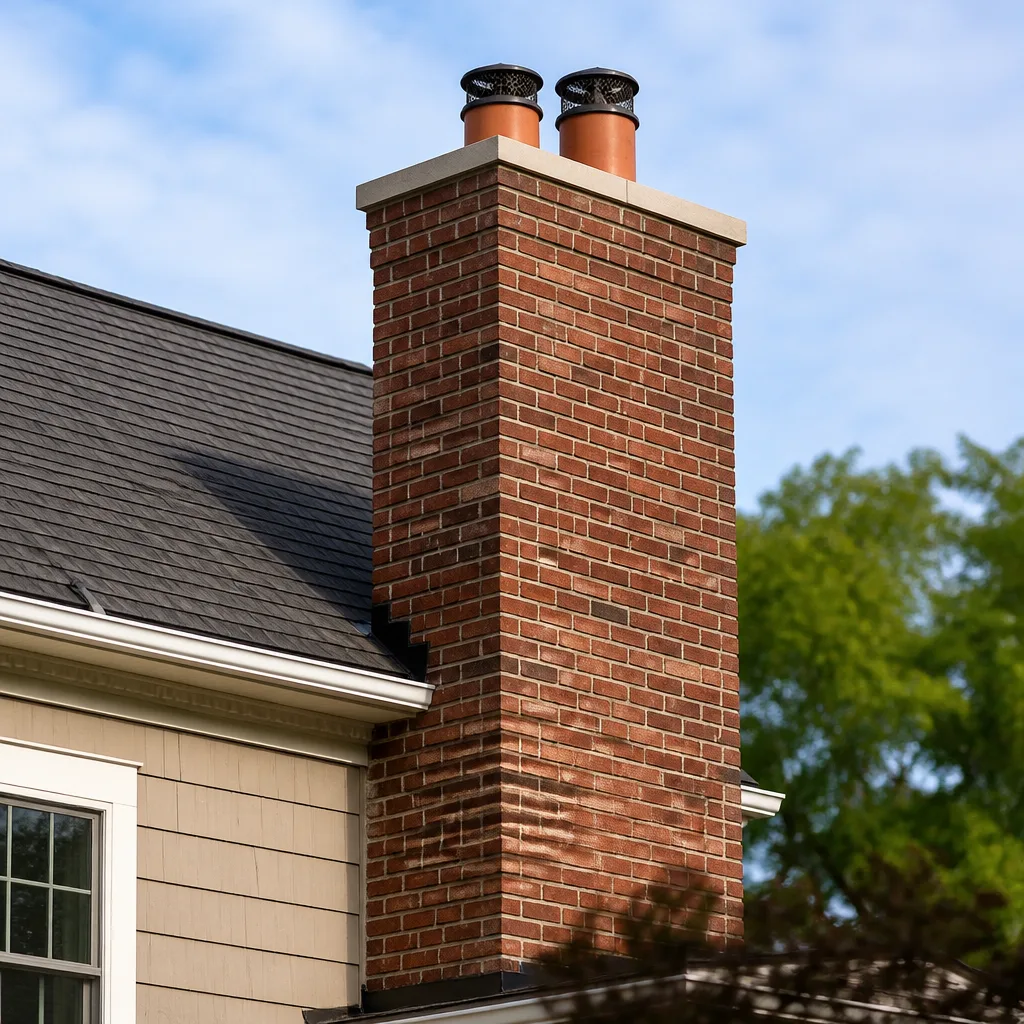 Masonry repair
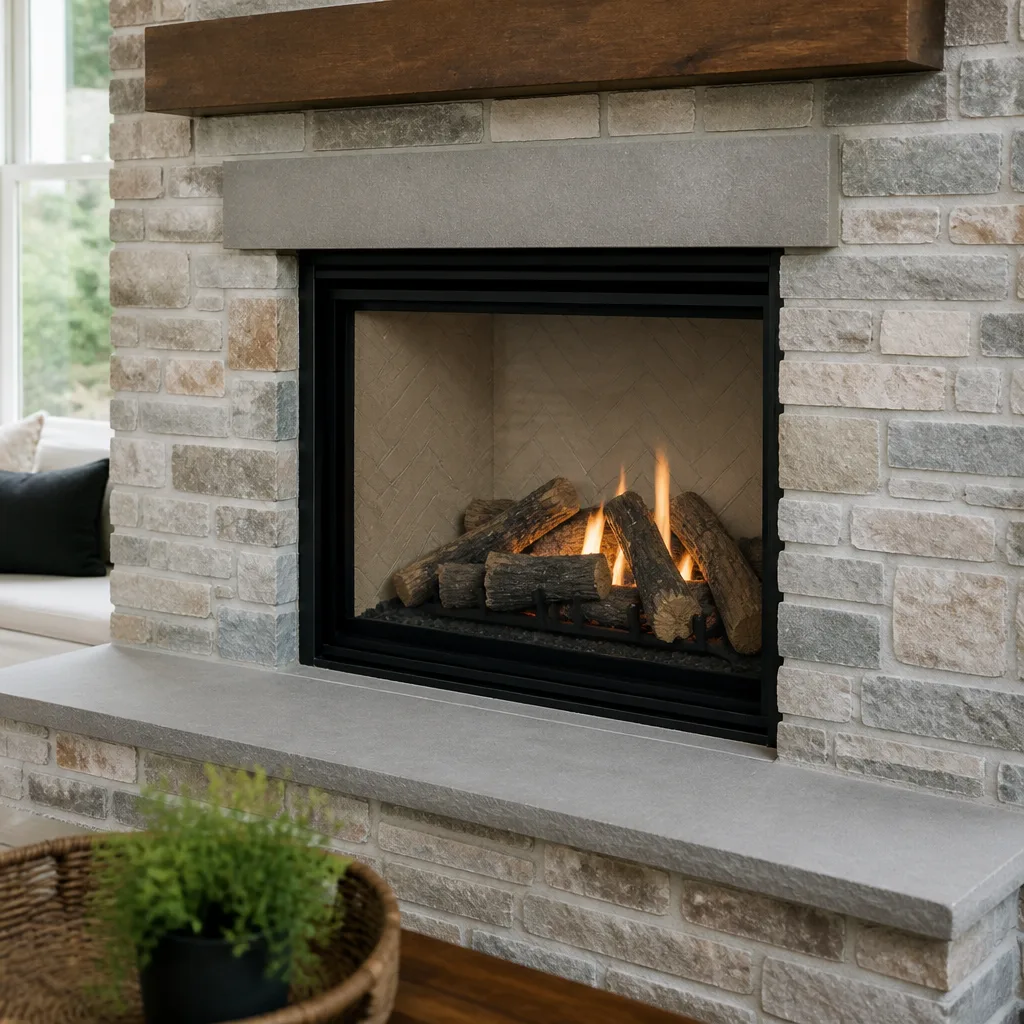 Gas fireplace service
Level 1 sweep and inspection to the NFPA 211 annual standard - flue, crown, cap, and flashing checked and photographed
Chimney sweep logs do not sweep chimneys. They loosen some creosote - which then falls where a brush and vacuum still have to collect it.
Chimney Sweep Troubleshooting in League City: Common Problems and How to Fix Them
That smoky smell drifting back into your living room is not always a creosote problem. A good share of the time, it’s a pressure imbalance caused by your HVAC system pulling its return air from the room with the fireplace, and no amount of sweeping will fix it. We see this repeatedly in League City, where tightly built homes often run a central air system that fights the chimney for the same air. The trick to troubleshooting a chimney is learning to read symptoms before you call anyone. This guide walks you through what the smell, the stain, the draft, or the sound is actually telling you, and where the most likely root cause sits.
Quick Answer
Most chimney problems in League City come down to a short list of root causes: creosote buildup, moisture-driven mortar decay from Gulf Coast humidity, a blocked or undersized flue, a damaged smoke chamber, or a negative-pressure problem created by a modern, tight home. The symptom you notice (smell, draft, staining, crumbling mortar) points to which one you’re dealing with. A trained sweep can confirm it with a camera inspection and a clear photo report before any repair is agreed.
Styles & brands we work with
- Sweep & inspection
- Caps & crowns
- Flue relining
- Masonry repair
- Gas fireplace service
Table of Contents
- Why Symptoms Matter More Than Guesses
- How Gulf Coast Humidity Attacks Your Firebox
- Draft Problems: Blockage vs. Negative Pressure
- Smoky Smell: Creosote, Moisture, or Smoke Chamber Damage?
- White Staining on the Exterior Chase
- The Symptom-to-Cause Matrix
- A Step-by-Step Troubleshooting Walkthrough
- When Troubleshooting Leads to Repair
Why Symptoms Matter More Than Guesses
Chimneys are simple on the surface and complicated in the details. A flue carries smoke and hot gas up and out. A firebox holds the fire. A smoke chamber funnels the exhaust into the flue. A crown sheds water off the top, and a chase protects the whole assembly. When something in that chain fails, the symptom rarely shows up right where the failure is. A crumbling crown can produce a wet stain inside the firebox. A damaged smoke chamber can produce a smell in the living room that looks, at first, like creosote. A blocked flue can look exactly like a fireplace that won’t draw.
Homeowners in League City often call us with a firm idea about what’s wrong. Sometimes they’re right. More often, the thing they noticed is two steps downstream of the actual problem. A thorough diagnosis starts by walking through what they’re seeing and comparing it to the system as a whole. That’s why the first job on any visit is inspection: camera through the flue, visual on the firebox, and a look at the exterior chase. Nothing gets recommended without evidence you can look at yourself.
Here’s the useful part. You can do some of that reading on your own before you ever pick up the phone. The sections below are the same questions we work through on a typical visit, translated into plain language, so you can walk to the fireplace with a flashlight and start making sense of what you’re looking at.
How Gulf Coast Humidity Attacks Your Firebox
Humidity is the single most underrated chimney problem in League City. The air here holds more moisture than the air in most of the country for much of the year, and that moisture doesn’t stay outside. It moves into the masonry every time the chimney cools off, and brick and mortar are porous. Mortar is softer than brick, so mortar is what gives first. When moisture soaks in and the chimney heats up again, the trapped water expands and pushes the mortar face off in flakes. That’s spalling. Look inside the firebox and up at the smoke chamber and you’ll see it as pitted mortar joints, sandy grit collecting on the firebox floor, or thin flakes of mortar on the damper ledge.
Once the mortar has begun to spall, the process feeds itself. Loose mortar traps more moisture. More moisture means more spalling. The firebox and smoke chamber degrade from the inside out, and the damage is invisible from the living room until a joint opens up enough to let gas or heat leak past. On the exterior, the same process shows up as soft, crumbly mortar joints between the bricks, especially on the chimney’s north-facing side where drying is slowest.
What you should look for:
- Sand or grit on the firebox floor. That’s mortar. It came from somewhere above you.
- Wide, recessed joints between firebrick. A healthy joint is tight and smooth. A failing joint looks scooped out or rough.
- Soft mortar on the exterior chase. Test by scraping gently with a key or a screwdriver. If it crumbles easily, it’s soft.
- Rust on the damper. A damper that won’t operate smoothly is often a sign that moisture is getting in above it.
Firebox and smoke chamber repair with a HeatShield resurfacing system restores the mortar surface without a full rebuild, and it’s a solution we rely on because it addresses the actual failure: a porous, deteriorating surface that keeps pulling in water. We also work with DuraFlex when a flue or connection needs replacement rather than resurfacing. The point of naming those materials is not marketing. It’s that a repair done with the wrong product in a humid climate will fail again, and the second fix costs more than the first.
Draft Problems: Blockage vs. Negative Pressure
Here’s the misconception that costs League City homeowners the most: a weak draft means the flue is blocked. Sometimes it is. But in modern, tightly sealed homes, the more common cause is negative pressure. Your house is a sealed box. When the HVAC system, a kitchen exhaust fan, or a bathroom fan pulls air out of the house, replacement air has to come from somewhere. If the house is tight enough, that replacement air comes down the chimney. The chimney, which is supposed to carry smoke up, ends up carrying air down. You get a smoky fire, a smell in the room, and no amount of sweeping will change it.
Blockage looks different. A blocked flue usually fails all at once. The fire smokes hard from the moment it’s lit. You may see smoke spill from the top of the firebox opening rather than drifting up. The smell is constant, not intermittent. A blockage can be a bird nest, a fallen flue tile, or a buildup of creosote that closes off enough of the flue to choke the flow. That one really does need a sweep, and it’s a good reason to schedule a routine chimney sweep before the season starts rather than after a fire goes wrong.
To tell the two apart, try this:
- Crack a window near the fireplace and light a small fire. If it draws better with the window cracked, you’re looking at a pressure problem, not a blockage.
- Turn off the HVAC and any exhaust fans. If draft improves, the house is pulling air down the flue.
- Look up the flue from the firebox with a flashlight. Straight, clear flue suggests pressure. Anything visible that shouldn’t be there suggests blockage.
- Check the chimney cap on the roof. A cap clogged with debris or a nest is a common blockage cause in this climate.
Pressure problems are solved with make-up air, a chimney-top damper, or a change to how the HVAC return is ducted. Blockage is solved by sweeping. Two very different fixes for the same symptom, which is why it pays to diagnose before booking work.
Smoky Smell: Creosote, Moisture, or Smoke Chamber Damage?
Smell is the most misread chimney symptom there is. A smoky odor in the living room, especially on a warm day or when the AC kicks on, can come from three distinct causes, and the fix is different for each.
Active creosote buildup smells sharp and tarlike. It’s strongest when the chimney is warm or when air is moving down it. Creosote is the residue of incomplete combustion, and glaze-stage creosote is the dangerous kind. The smell is telling you the flue is loaded and a sweep is overdue.
Moisture and mold in the flue smells musty and earthy, closer to a damp basement than a campfire. That’s water sitting in the masonry, often after a hard rain or a stretch of humid weather. Water in the flue doesn’t just smell bad. It dissolves mortar and feeds the decay described earlier.
A damaged smoke chamber can smell like smoke because it is leaking smoke. The smoke chamber sits above the damper and funnels exhaust into the flue. When its surface breaks down, smoke seeps past the damper and into the room whenever the fireplace is in use. The smell may appear only when the fire is burning, or it may linger for hours after. Look up through the damper with a flashlight. If you see a rough, corbelled surface with gaps or missing mortar, that’s a strong sign.
Here’s the pattern that actually sorts them out: creosote smells constant and tarlike; moisture smells musty and worsens after rain; smoke chamber damage makes the room smell like a fire just happened, even when it didn’t. If the smell is present when there’s no fire and no recent burn, creosote or moisture is the more likely source. A camera inspection tells you which. Not knowing is not a reason to schedule the most expensive option.
White Staining on the Exterior Chase
That white powdery staining on the outside of the chimney is called efflorescence. People assume it’s cosmetic, a stain to pressure-wash and forget. It isn’t. Efflorescence is the visible footprint of water moving through the masonry. Salts from inside the brick and mortar dissolve in water, travel to the surface, and dry out as a white deposit. The stain is a symptom, and the water driving it is the problem.
Where the water is coming from matters, and the chase will usually tell you. Look at the crown first. A cracked or poorly sloped crown lets rain run down between the flue and the chase rather than off the top. Look at the flashing where the chase meets the roof. Failed flashing is a common source in this part of Texas, where the flashings take a beating from the sun. Look at the mortar joints. If moisture is getting in through the brickwork itself, the joints will look soft or eroded. Efflorescence concentrated near the top of the chase usually points to the crown or the flashing. Efflorescence all over the chase, from the bottom up, points to rising moisture from the foundation.
The reason this is a red flag and not a cosmetic note is what happens inside. Water in the chase corrodes the metal components, including the damper and the flue connector, and pushes mortar apart from the inside. On a chimney that’s already got a firebox issue, exterior water is pouring fuel on the fire. A proper diagnosis means looking at the crown, the flashing, and the brickwork together and finding where the water is actually entering. Guessing at one and ignoring the others wastes a repair budget.
The Symptom-to-Cause Matrix
Here’s a quick reference table to match what you’re noticing to the most likely cause. It’s not a substitute for an inspection, but it’s a useful starting point for the conversation.
- Smoke spills into the room when the fire is lit: most likely a blocked flue, an undersized flue, or a closed or rusted damper. Blockage is the one to rule out first.
- Smoke or smell appears only when HVAC or bathroom fan is running: negative pressure. The house is pulling air down the chimney.
- Smoky, tarlike smell when there’s no fire: creosote buildup, especially glazed. Needs a sweep.
- Musty, damp smell that worsens after rain: moisture in the flue, often a failing crown or flashing.
- Smoke smell lingers for hours after a burn: damaged smoke chamber. Rough, gapped surface above the damper.
- Grit or sand on the firebox floor: spalling mortar from the firebox or smoke chamber. Don’t ignore.
- White staining on the chase: water moving through the masonry. Check crown, flashing, joints.
- Rust visible below the damper or on the firebox: moisture intrusion or condensation. Investigate the source.
- A cold, drafty fireplace when nothing is lit: an open damper or no chimney-top damper. Common in homes built before tight-sealed construction became standard.
- A roaring, popping fire that’s hard to control: this can signal draft problems or a flue that’s too large for the firebox. Worth a professional look.
Match what you notice to more than one cause? That’s normal. Chimneys rarely fail in one place at a time. The inspection confirms what’s real and rules out what’s not, and that’s the whole reason a camera beats a guess. When the inspection is done, you’ll see what we see on the photo report before deciding on anything.
A Step-by-Step Troubleshooting Walkthrough
If you want to do the upfront work yourself before calling anyone, this is the sequence a trained sweep uses, simplified. It works for any fireplace or wood-burning appliance in a League City home.
- Look first, from the living room. Open the damper and look up with a flashlight. Note rust, grit, fallen debris, and the condition of the firebrick at eye level. Note whether the smoke chamber surface above the damper looks smooth or rough.
- Check the damper operation. A damper that sticks, rattles, or won’t fully open is telling you something about the metal and the moisture around it. Open dampers draw; closed dampers don’t.
- Test for negative pressure. Crack a window near the fireplace. If the draft improves, run the HVAC and exhaust fans off and re-test. Improvement with a window open means pressure, not blockage.
- Look up the flue. A clear straight line up is a good sign. A visible nest, fallen tile, or heavy crust on the flue walls tells the story.
- Go outside and look at the chase. Check the crown for cracks and the flashing for gaps. Note any white staining and roughly where it sits. Check the chimney cap for debris.
- Note the smell, if any, and when it appears. Creosote smells tarlike. Moisture smells musty and worse after rain. Smoke chamber damage produces smoke smell for hours after a fire. It helps the diagnosis to note which one you’re getting.
- Write down your findings and call for a sweep and inspection. A camera inspection with a photo report turns your notes into evidence, and evidence is what a written estimate gets based on.
We’ve designed our service around this sequence because it works. Camera inspection and photo report included, so you see what’s going on before anything is recommended. Our technicians have up to 15 years of experience reading exactly these signals, and the brands we work with, Olympia Chimney and Gelco among them, come out of the professional supply side, not off a retail shelf.
When Troubleshooting Leads to Repair
Not every problem needs a major repair. Some need only a sweep and a warning. The point of troubleshooting is to sort the cheap fixes from the expensive ones before you commit. Here’s how the common repairs break down.
- Sweeping. Creosote buildup, blocked flue, routine maintenance. Cheap and quick. The one to do first when the cause is unclear.
- Crown and flashing repair. Water entry that’s showing up as efflorescence or interior moisture. Often a modest fix that prevents a much larger one.
- Smoke chamber and firebox resurfacing. Best done with a specialist system such as HeatShield, which restores the surface without a rebuild. Appropriate when the mortar has spalled but the structural brick is sound.
- Flue liner replacement. Necessary when the clay liner has cracked, shifted, or was never right for the appliance. DuraFlex liners are the professional route when a replacement is what the inspection calls for.
- Chase and brickwork repair. Soft mortar joints on the exterior need repointing before the damage climbs. This is a masonry job, and it gets more expensive the longer it’s left.
The other part of the conversation is honesty about timing. Not every repair is urgent. A small crown crack can be scheduled and doesn’t mean the fireplace is unsafe today. A glazed creosote load is a genuine hazard and gets addressed before the next fire. We tell homeowners which is which, and the estimate lists what the camera shows. If it can safely wait, we say so.
One more thing worth knowing: dryer vents are the other half of most home venting safety, and a vent that’s clogged with lint shares a failure mode with a chimney clogged with creosote. That’s why we cover dryer vent cleaning as part of the same visit if you want it, so one call covers chimney and dryer vent and you don’t chase two contractors for connected concerns.
Common Mistakes to Avoid
- Assuming a weak draft means a blocked flue. In a tightly sealed League City home, negative pressure is the more common cause, and sweeping won’t fix it. Test with a window open first.
- Treating efflorescence as a cosmetic stain. That white deposit is water moving through the masonry, and ignoring it lets the water find the mortar joints and the metal components. Diagnose the source.
- Burning unseasoned wood to “dry out” the chimney. Green wood produces more creosote, not less, and creosote is the fire hazard. The moisture problem needs to be diagnosed, not smoked out.
- Skimping on the firebox and smoke chamber surface. A tired surface pulls in moisture and leaks smoke. Resurfacing with a specialist system is cheaper than a rebuild and addresses the actual failure.
- Booking a big repair without a camera inspection and photo report. You should see what’s being diagnosed. Ask for the report before agreeing to work.
- Forgetting the dryer vent. Lint buildup is the leading household fire risk in that other vent, and if your chimney company doesn’t cover it, you’ll source a second contractor. One call covering both is safer.
- Ignoring a smoky smell in warm weather. Smell when there’s no fire is a clue, not a nuisance. It’s telling you what the interior of the flue is doing right now.
See the difference
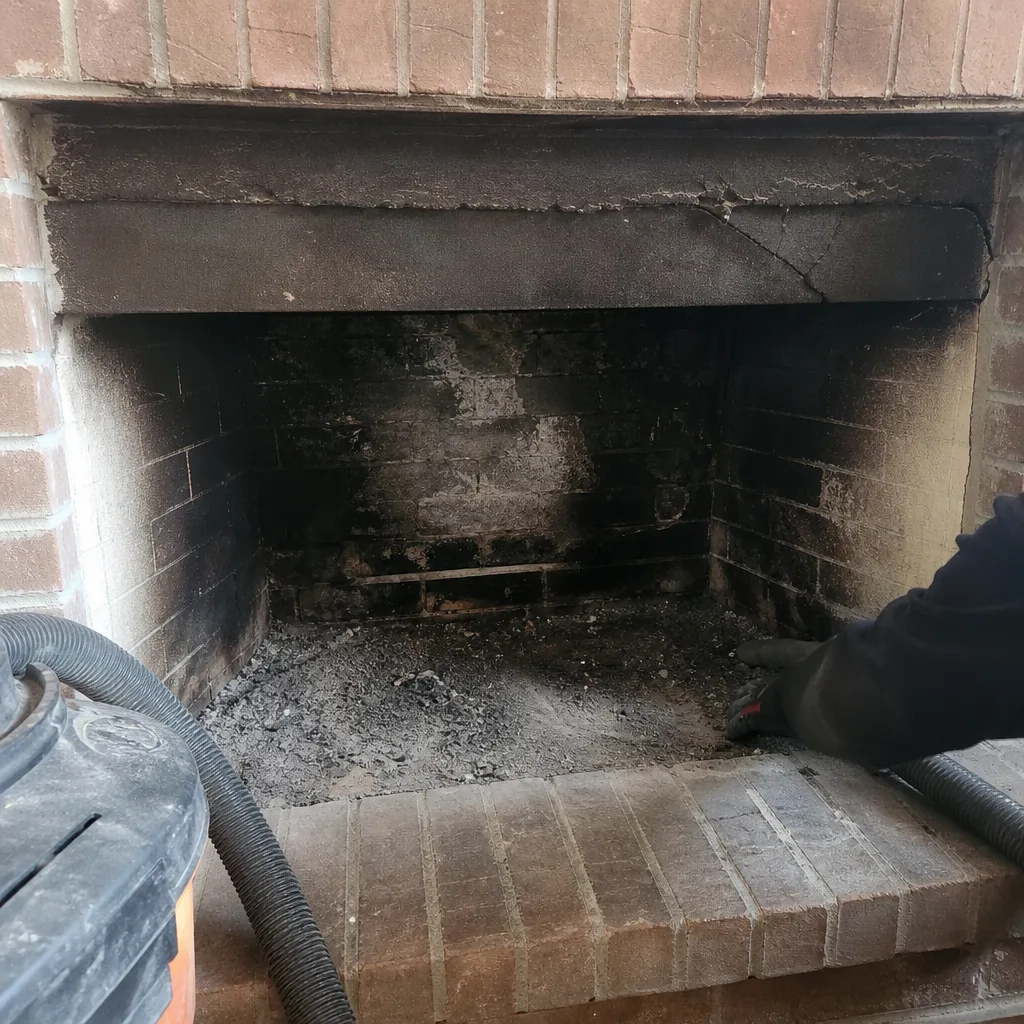 Before
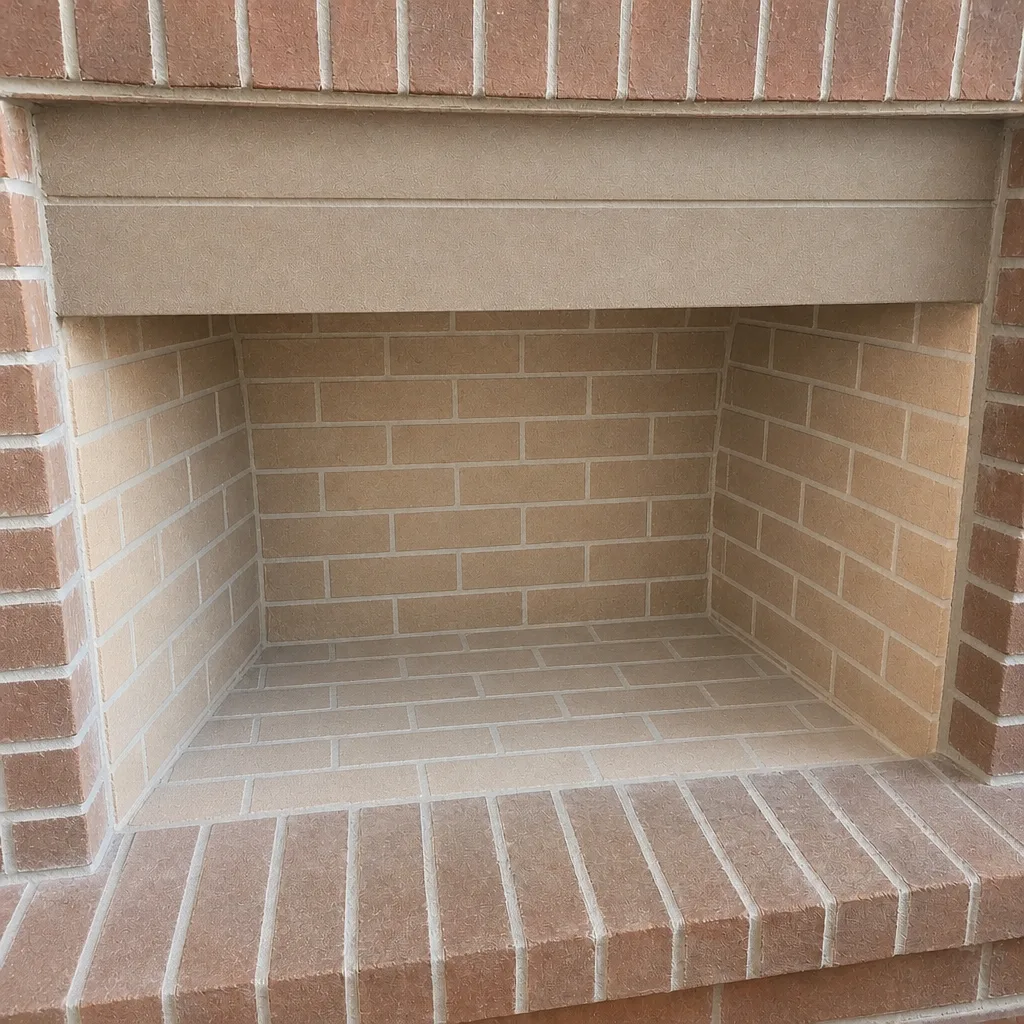 After
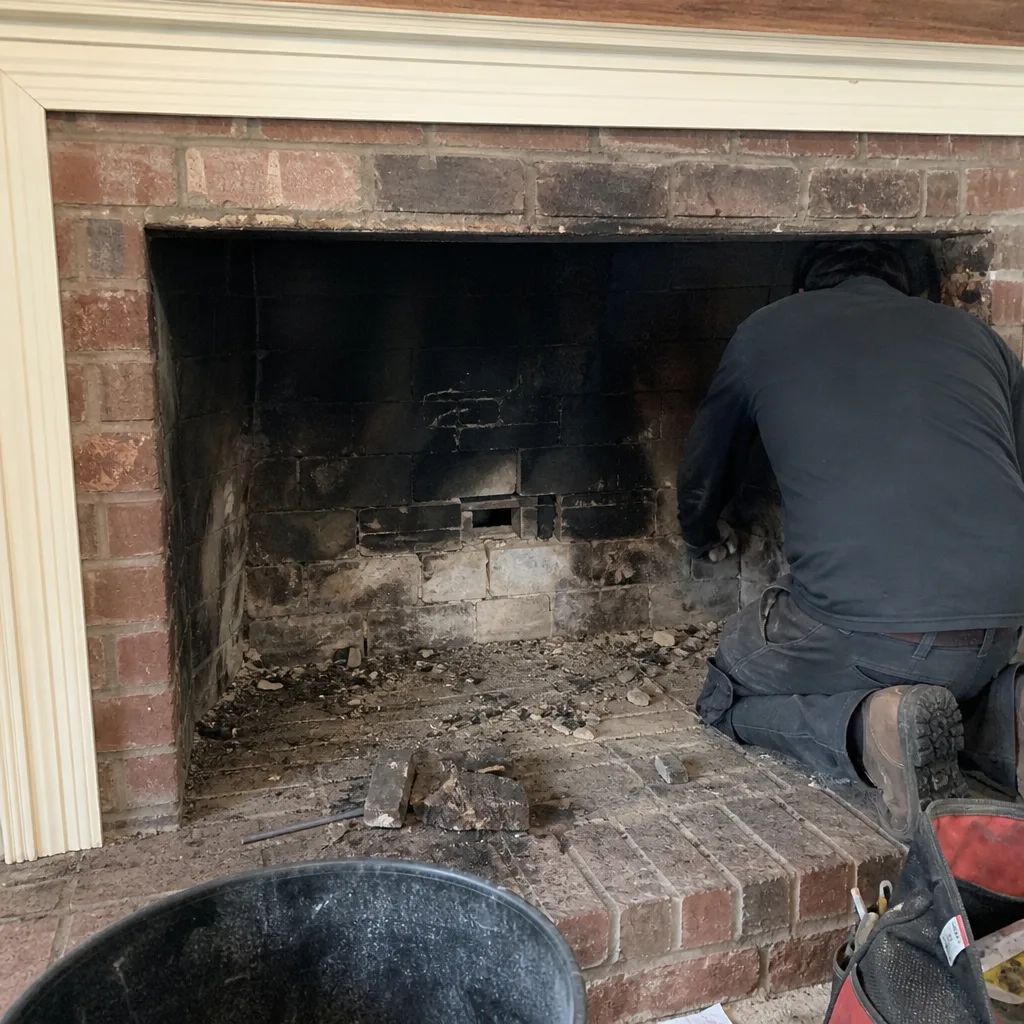 Before
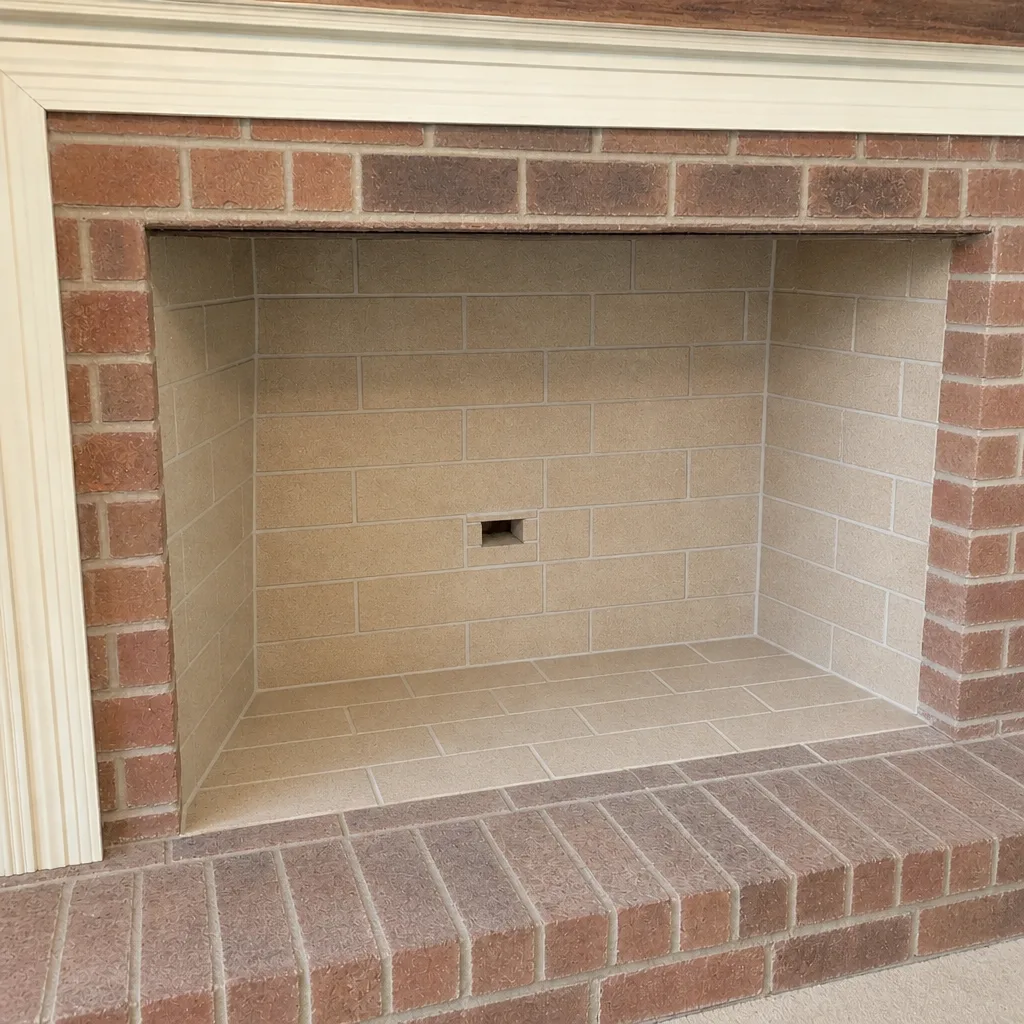 After
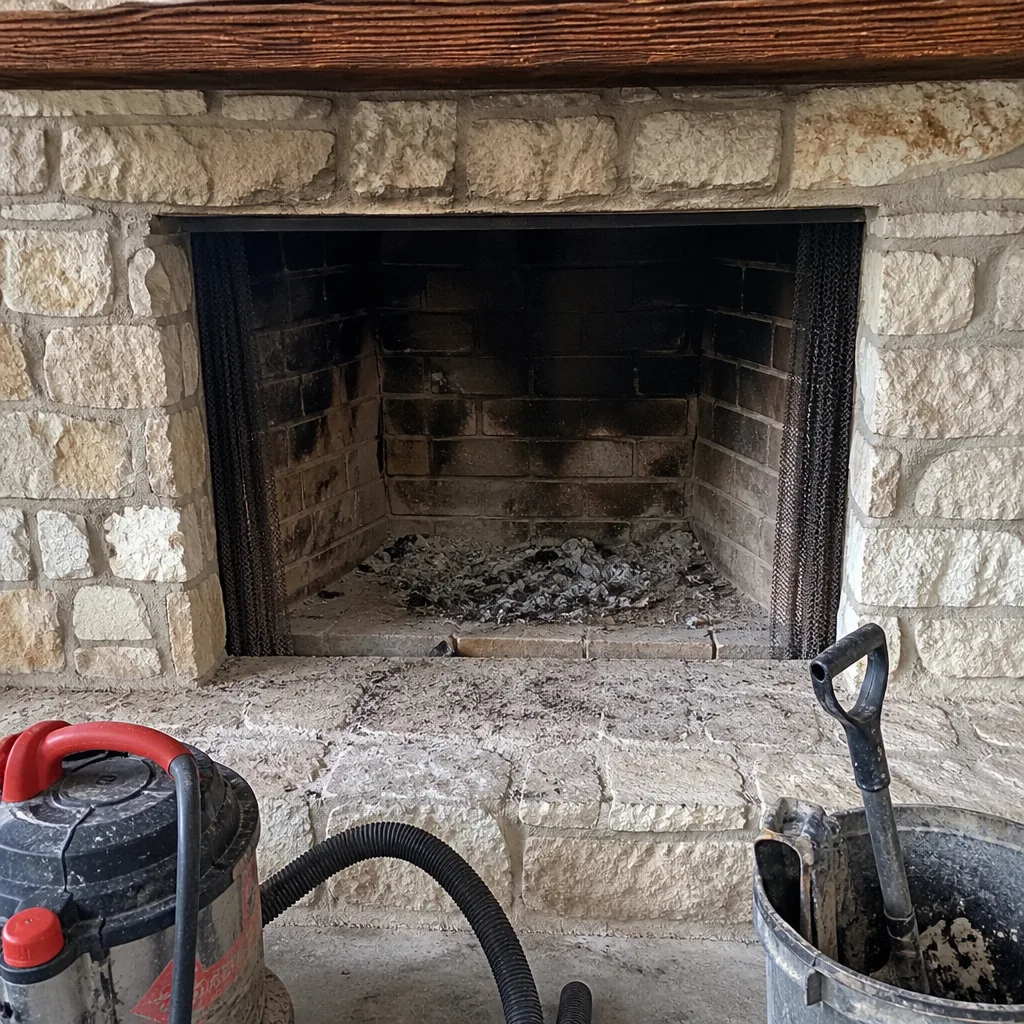 Before
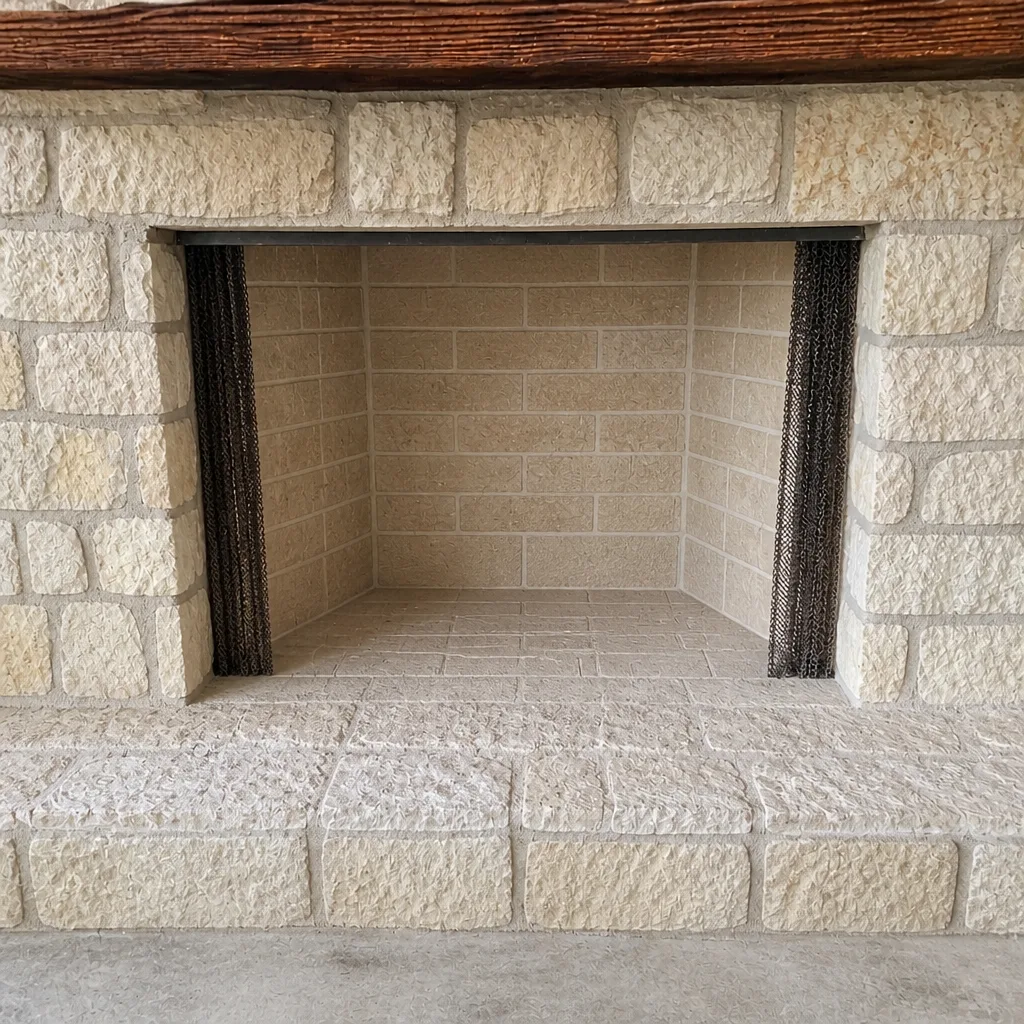 After
When to Call a Professional
Call for a professional inspection if you’ve done the steps above and still can’t explain what you’re seeing. Call right away if you notice any of the following: smoke rolling into the room instead of up the flue; a strong tarlike smell when no fire is burning; white staining spreading across the chase; grit or sand collecting on the firebox floor; a damper that sticks or won’t open fully; or a crack or soft spot anywhere in the firebox or smoke chamber. Any of those indicates a problem that a sweep alone won’t address. None of them is a reason to panic, but they are a reason to have someone look.
If you’re not sure, that’s a valid reason to call too. League City Chimney Cleaning offers free estimates in League City, and camera inspection and a photo report are included, so you’ll know exactly what you’re dealing with before you spend on anything. We answer 24/7. Fast dispatch from 7am to 7pm, Sunday through Friday, closed Saturday. Call (866) 819-7336.
Frequently Asked Questions
A routine sweep typically runs in the low-to-mid three figures, and the written estimate sets the final price based on the number of flues and the condition of the chimney. A camera inspection and photo report are included so you see what’s being cleaned. The estimate is free, and it comes after the inspection, not before. Call (866) 819-7336 for an exact quote.
You need a new liner only when the existing one is cracked, shifted, deteriorated, or sized wrong for the appliance, and that should be confirmed with camera evidence you can look at. DuraFlex liners are the professional route when replacement is genuinely called for. If your existing liner is sound, a sweep and a surface check will likely be all that’s needed. Call (866) 819-7336 for a free estimate and a look at the camera report.
Most homes burning wood regularly need a sweep once a year, and homes with heavy use or unseasoned wood may need more. In a humid climate like League City’s, annual inspection is also the chance to catch moisture damage in the firebox and smoke chamber before it spreads. A camera inspection confirms what the flue actually holds. Call (866) 819-7336 to book yours.
Creosote builds up on the flue walls, and glazed creosote is flammable, so skipping a sweep leaves a fuel load in the chimney and adds to the risk of a chimney fire. On top of that, moisture in the masonry keeps eating the mortar. Neither one announces itself, which is why the camera report matters. Call (866) 819-7336 for a free estimate before the next fire.
A smoky smell with no fire is usually one of three things: active creosote buildup, moisture and mold in the flue, or a damaged smoke chamber leaking smoke past the damper. The smell differs slightly in each case, and a camera inspection reads the difference. It’s worth the call rather than guessing. Call (866) 819-7336 for an exact quote.
White staining, called efflorescence, means water is moving through the masonry, so the fix is to find where it’s entering. Look at the crown, the flashing, and the mortar joints first. A proper inspection of all three is how you avoid wasting a repair budget on the wrong one. Call (866) 819-7336 for a free estimate.
The Bottom Line
Most chimney problems in League City come down to five root causes: creosote buildup, humidity-driven mortar decay, blockage, negative pressure from a tight home, and water entering through the crown or flashing. The symptom you notice points to which one you’re dealing with, but only after you’ve looked at the system as a whole. That’s the discipline that separates a real diagnosis from a guess. Sweeping is cheap and often the first step when the cause is unclear. The repairs that matter, from smoke chamber resurfacing to liner replacement, are the ones a camera confirms with a photo report. If you want a clear read on what your chimney is actually doing, League City Chimney Cleaning can help, and we serve the wider League City area from a single point of contact for chimney and dryer vent safety.
Contact
Call (866) 819-7336 for a free estimate. We answer 24/7. Fast dispatch from 7am to 7pm, Sunday through Friday, closed Saturday. If you’ve noticed any of the symptoms in this guide, the inspection is where to start. You’ll see the camera report and the photo evidence before anything is recommended, and the estimate is free.
Written by the team at League City Chimney Cleaning.